Skip to main content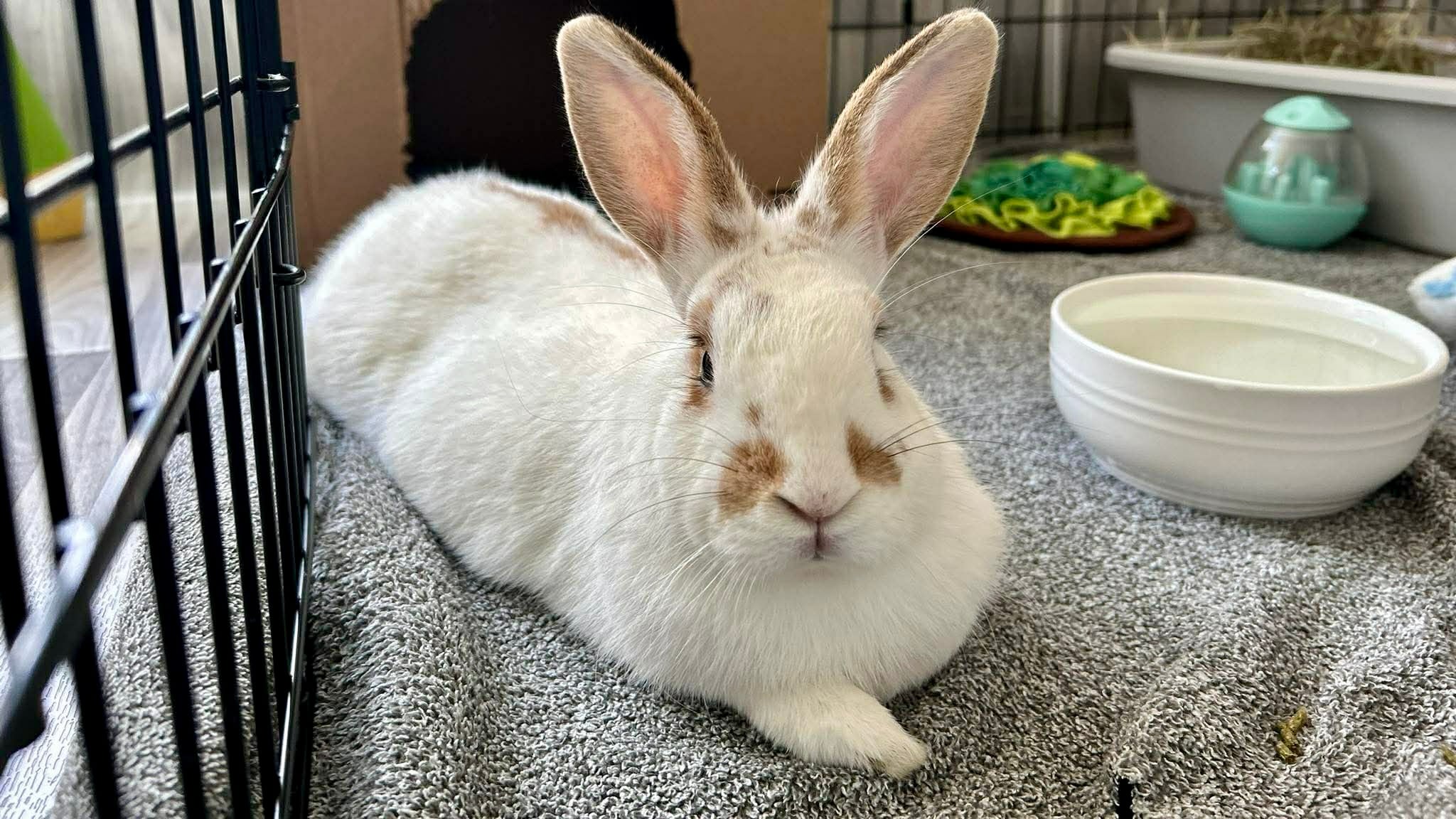
Every day, Avalon Microsanctuary receives about 30 calls or messages from people who have found a rabbit in need of rescue. According to Eilan Keister, who founded Avalon in June 2020, people often impulsively take on rabbits as pets and then change their minds, releasing them outdoors when the animals start acting up.
Keister started Avalon Microsanctuary when she was 16 years old; now she’s studying pre-veterinary medicine at Portland State University. The shelter started at the home of Keister and her family but outgrew that location, moving in 2025 to a larger location in Southeast Portland. (Keister’s mother, Heather, who helped start Avalon, is still involved with the rescue.)
Many of the rabbits that come to Avalon have suffered medical neglect, so local veterinarians like Northwest Exotic Pet Vet help with care.
“Seeing a mangled rabbit become a whole new rabbit in six months and be more comfortable and healthy is rewarding,” Keister says. She has big dreams for expanding the rescue—and expanding care for rabbits that already have homes.
“I would love for the rescue to get bigger, to buy a building and move into a bigger space and have a hub for rabbit rescue in Oregon,” Keister says, “to provide low-cost medical care for rabbits—like the Humane Society, but just for rabbits. So many are turned away because we don’t have resources.”
Between 35 and 40 rabbits are currently being cared for onsite at Avalon, and the rest are in foster homes—with 70 total rabbits under Avalon’s care and available for adoption.
Here’s what you need to know about taking rabbits on as pets—and what to do if you find one outside.

More bunnies, more problems
According to Keister, releasing a domesticated rabbit outdoors brings the animal suffering rather than the freedom some rabbit owners might imagine.
“When rabbits are dumped, they have some survival instincts, but are vulnerable to injury, predators and illness,” Keister says. “They are hard to catch. Once you dump a rabbit, their chances of living past a year are almost none. Some have survived being attacked by a dog, opossum, coyote and a skunk.”
Add to this the fact that a rabbit’s gestation period is 30 days and they can get pregnant again shortly after giving birth. And rabbits that haven’t been neutered only make more rabbits, which perpetuates the cycle. Keister says there are feral colonies of more than 100 rabbits in the Portland area.

If you want a rabbit, call a rescue
Keister advises anyone considering a rabbit for a pet to do their homework. They are not starter pets and they’re not for everyone, especially children. Despite their soft coats, they don’t always like to be held and cuddled. They need floor space to move around indoors and are sensitive to sound. Still, with the right care they can be engaging pets, and will bond with their owners.
Keister suggests reaching out to a rescue, which can provide the best advice and follow-up support for new or aspiring rabbit owners.
One thing to know is that many of the behaviors that drive inexperienced rabbit owners to their wits’ end and lead to dumping—like biting, digging, lunging and urine spraying—emerge when bunnies reach sexual maturity between 4 and 6 months old. And those behaviors can usually be controlled within a couple of weeks by simply having the rabbit spayed or neutered. (Avalon only adopts out rabbits that have been fixed.)
Another thing to know is that while there are exceptions, most rabbits do best in pairs, providing emotional support, grooming and security for each other. Avalon usually shelters and fosters bunnies in pairs, and prefers to adopt them out in pairs as well.
Prospective rabbit owners looking to adopt through Avalon can apply through the organization’s website. If an applicant is a renter, Keister checks in with the landlord about pet policies; Avalon staff will also conduct a home visit, and make sure the space is safe for rabbits (meaning tempting plants are placed out of reach, electrical cords are covered, and unsafe items are taken out of the way).

Help is available
Plenty of reliable sources offer care information—and other small animal rescues can help you find a couple of rabbit roommates. The House Rabbit Society and the Bunny Lady’s YouTube channel are both good sources of information about rabbit care. Other small animal rescues in the Portland area include Rabbit Advocates, Rose City Rabbit Rescue and Oregon Small Animal Resources.
And if you find a rabbit nibbling in your garden, it’s best to call a rescue. Oregon has native cottontails; they’re small, with speckled, light-brown fur and a white tail. But if you see a rabbit outside that looks more like one you’d see in a pet store—black, white, spotted, lop-eared or fluffy—call a rescue. They can send someone to catch the rabbit and get it proper care.