Skip to main content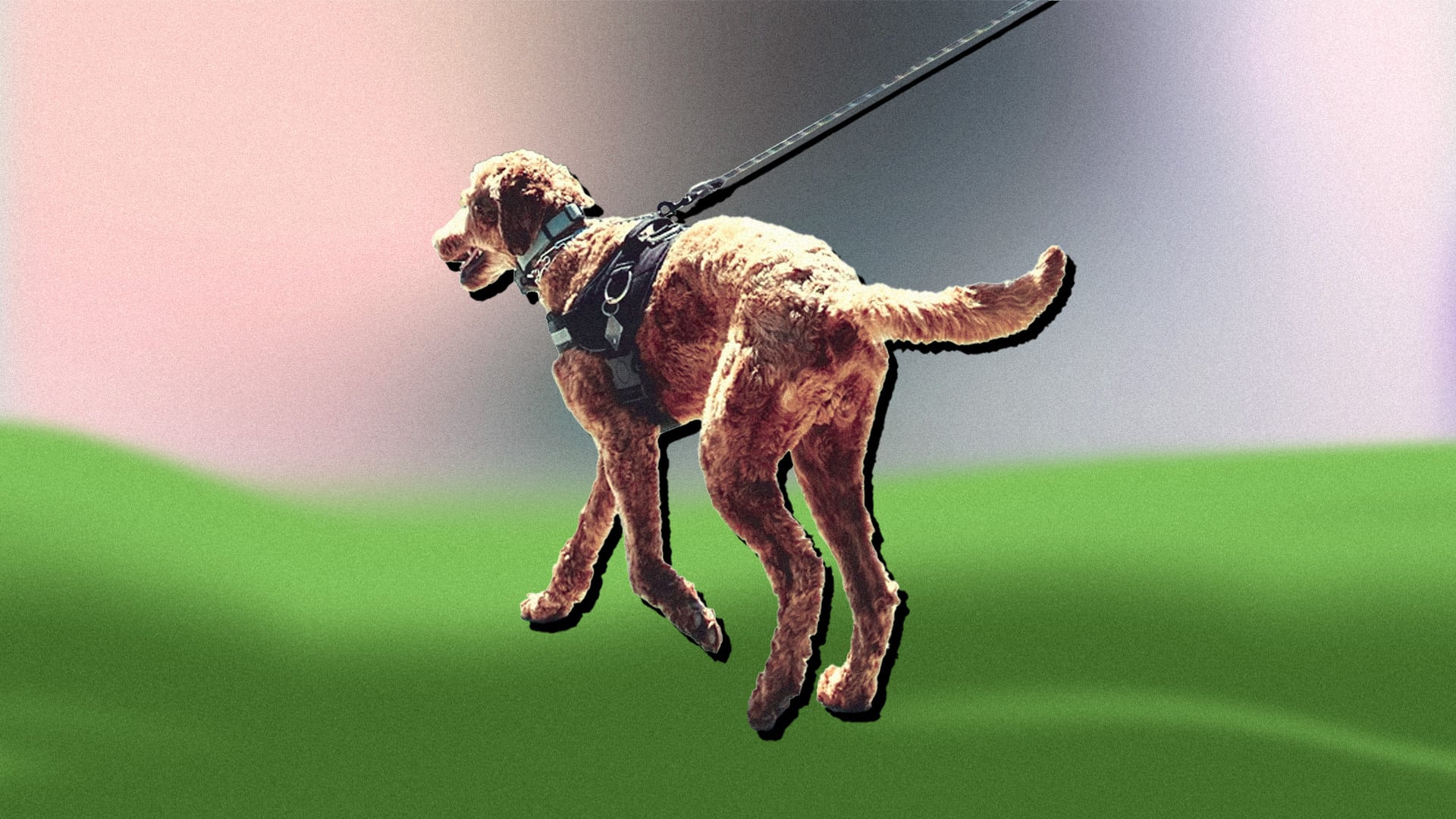
Left to its own devices, your dog will probably not exercise on its own.
That’s too bad, because a good dog walk is one of the best things for your pet’s body and mind. A daily stroll can offer mental stimulation, improve behavior, and strengthen the owner-pet bond. They’re also great if your canid doesn’t have great recall or doesn’t exactly play well with others at off-leash parks.
As such, professionals with local dog-walking services Tails & Trails, Pet Pals and Hot Diggity Pet Sitting offered us advice for walking the walk.
Avoid the rush
For lots of dogs, a walk is their only form of stimulation all day, and their only exercise. But a good dog walk lasts 30 to 45 minutes and, understandably, many people don’t have that kind of time. This is why professionals exist.
Set aside a good chunk of an afternoon or morning and stretch out. The thick canopy in Forest Park and other wooded trail systems offer cover from the sun, wind and rain.
Other low-key areas for dog walkers include Fanno Creek Trail in Tualatin, Tryon Creek near Lake Oswego, the Overlook neighborhood near University Parkway, Meldrum Bar Park in Gladstone, and the riverfront off-leash area near Oaks Park Amusement Park in Sellwood (but be mindful of water quality).
Stay close to home
There’s some consensus among Portland dog walkers that the best spots to walk your dog are in your neighborhood.
“There are lots of great neighborhoods, but we like to walk dogs near where they reside,” says Stacy Bell, a scheduler with Tails & Trails.
And this might sound obvious, but: Try to steer clear of high-traffic streets and instead look for lightly traveled side roads to avoid stressing your pet. Alleys are often safe and feature myriad fun and interesting smells.
Don’t be afraid to let your dog walk you
Dogs love to pick their own walk. Some focus on agility, tackling obstacles like bounding up retaining walls or down flights of stairs. Others like to focus on sniffs. (But remember, sniff time doesn’t equal a walk.)
“Think of it as exploring with your dog,” says Georgia Lewis of Pet Pals. “Our standard of care is, we always try to meet dogs where they’re at. So we learn what the dog wants and then we challenge them in their environment.”
To switch things up, at some point near the end of your walk, try saying, “OK, let’s go home,” and see if your dog can take you there. They might surprise you.
Treats are a tool
A good walk balances a dog’s physical needs with their cognitive needs, and treats help you maintain a dog’s interest as well as enrich their experience. Should you need to extract your dog from a situation, having their attention is a must. “For us, a good dog walk is a safe dog walk.”
Put down the phone
For a successful walk, you’ll need to establish good communication and manners with your dog. A walk presents an opportunity to connect nonverbally, and this is difficult to do with divided attention.
Practice “defensive” dog walking
Socializing is a key aspect of many dog walks—and it’s especially important for puppies. But don’t let your pet forget who’s in charge. Cats, squirrels and people entice at every corner—as do other dogs. So pay close attention to your surroundings so everybody you encounter stays safe (and your dog does too).
You know your pet best, so act preemptively to avoid situations where they might not cover themselves in glory (possibly by covering themselves in something else). So, if you like, plan a visit to one of their favorite places like a dog-friendly coffee shop, or a pet store (most allow dogs inside). Or go someplace new and forge fresh connections.
“You always want to be the most interesting thing on the walk,” Lewis of Pet Pals says.
Whatever happens, keep a positive attitude because your experience means everything to your dog. And remember: Shit flows downleash.