Skip to main content
Nearly every night of the week, Portland pinballers gather to seek respite in pulling plungers and slapping sweaty palms against flipper buttons—an escape from daily mundanity, national politics, and the stresses of everyday life. For many transgender and cis women and nonbinary players, this seminightly routine isn’t exclusively a competitive hobby, but rather an inclusive sanctuary where camaraderie fuels love of the game.
But in recent months, Oregon pinballers have come to question how inclusive their pastime really is—or, at least, how inclusive the leading organizer of pinball tournaments is. And some have created a new ranking system intended as an alternative to the current tournament infrastructure.
First, a little background: The International Flipper Pinball Association serves as the governing body for competitive pinball worldwide, empowering volunteers to organize fair, inclusive play while maintaining official rankings through sanctioned events. Players earn ranking points based on their performance in each officially sanctioned tournament, with factors such as event size, strength of competitors, and final placement determining how many points are awarded. Over time, the totaled scores qualify players for state, national and world championships.
In November 2025, during the IFPA-sanctioned OBX Flippers Arcade Fall Pinball Bash in Grandy, N.C., venue staff harassed a transgender woman and removed her from a restroom at the start of the tournament. A blog post by event attendee Elia Lake says manager Becky Connell also “verbally abused people who looked queer and threatened to call the police if any other trans women used the bathroom.”
Six days later, IFPA director Adam Becker posted an official statement, saying the IFPA was informed within an hour, but leadership failed to “recognize the seriousness” of the situation and act quickly to protect affected players. In the same post, the event’s tournament director and longtime IFPA player Kevin Stone also admitted fault, writing to the pinball community: “I simply had no idea what to do other than keep the tournament going. I should have simply delayed the tournament until [Connell] left the property.”
The IFPA announced Flippers Arcade would be barred from hosting sanctioned events for at least one year, but the tournament results remained intact. That led to the resignation of the IFPA Women’s Advisory Board that had recommended the larger organization remove Flippers Arcade from sanctioning and nullify its tournament results; the IFPA did neither.
Months later, Oregon pinballers are still grappling with the fallout of the North Carolina incident.
Many Oregon players who qualified for the state tournament hesitated to participate in January’s championship at Ground Kontrol and some opted out entirely.
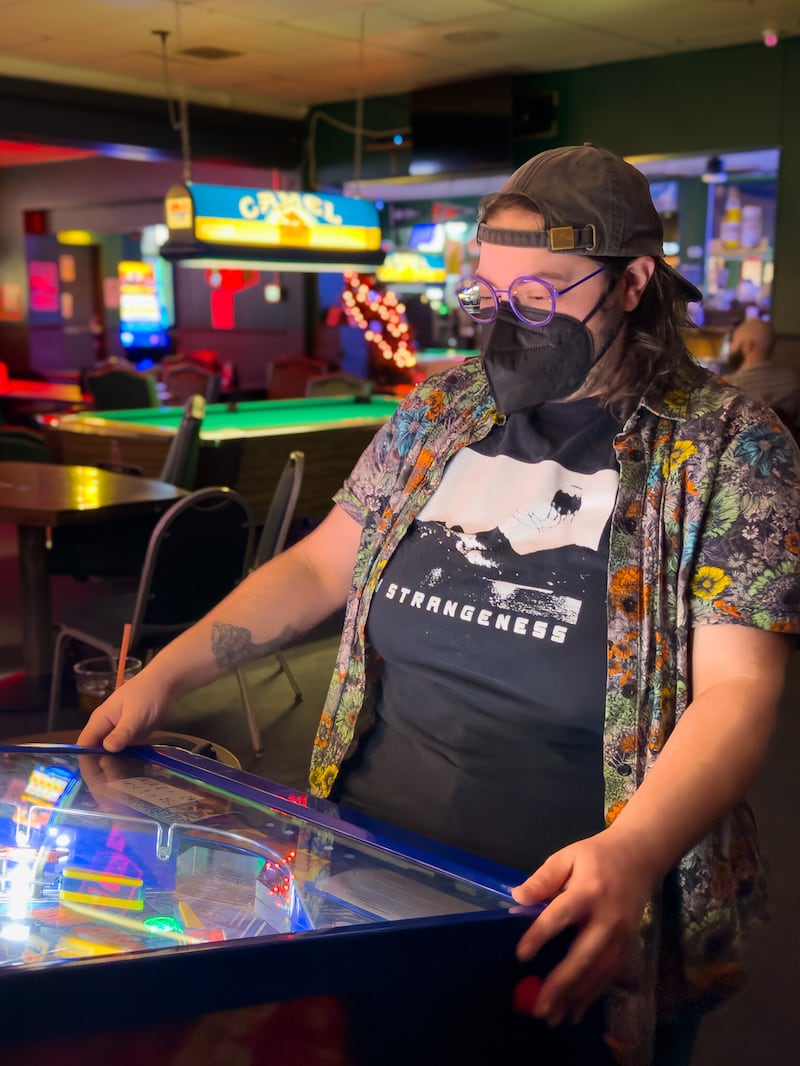
Portland pinballer Becx Shipper, who has competed for a year, moved up in rank and gained a spot in the tournament after several players chose to sit out in solidarity.
“The prize pot was money we have put in over time, and if we didn’t participate, the money would go back to the IFPA,” Shipper tells WW. “Being a nonbinary player who made it to the Women’s Championship felt like a ‘Fuck you, IFPA. You can’t remove us from playing.’”
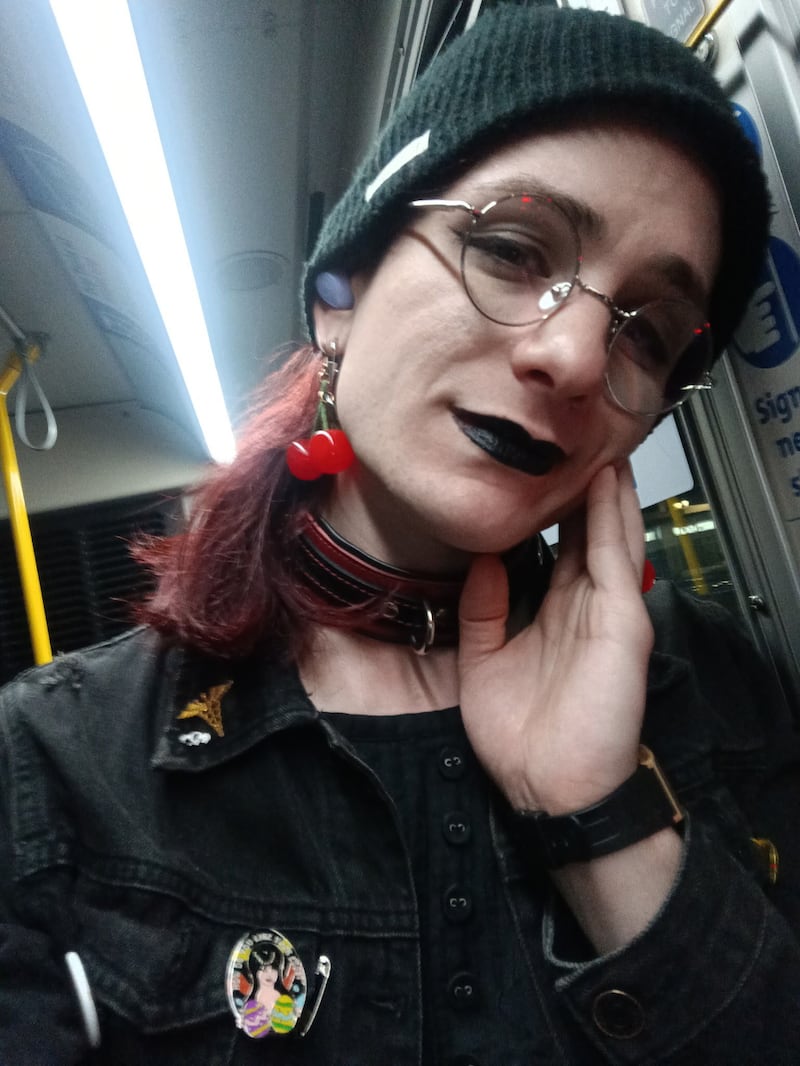
Red Germany, a Portland trans woman, wasn’t going to give up her spot in the tournament—not after three years of earning enough IFPA points to qualify for the women’s finals.
“The whole public focuses on trans people in sports right now, and this is just a really weird example of that,” Germany says. “I play pinball to not think about politics, and it really sucks to have to think about it all of a sudden.”
Nationally, the surge in withdrawals prior to state championships prompted the IFPA to revise its policy, eliminating opt-outs entirely, seemingly prioritizing transparent results over players’ interests.
“They don’t deserve my data anymore,” says Annie Smith, a nonbinary Eugene player who earned fourth in Oregon’s tournament after more than a year of competitive play.
“After November, I noticed every tournament director in town immediately desanction their events from the IFPA,” Germany says. “It’s way more important to separate ourselves, and the community is making drastic decisions in response to players being excluded. It’s really cool seeing your whole community come together and say, ‘[If] trans people are excluded, then I’m not participating.’”
As fractures in the pinball community swept the country, Oregon’s tournament directors quickly pivoted to create a new ranking system: the League of Oregon Pinballers, or LOOP.
“While [the IFPA ranking system] was an interesting way to gauge my progress, it does feel like a loss,” Shipper says. “LOOP is kind of replacing that—by going to enough LOOP tournaments, we’ll see the rankings build.”
LOOP’s points committee began compiling tournament results in early February, when the league began sanctioning events to start building its rankings list of top players. Points are awarded based on the strength and size of each tournament field, with larger, more competitive events earning more points. Only a player’s best 25 tournament finishes will count toward the overall LOOP rankings.
Within the league’s first month, 357 total entries were recorded across 20 tournaments in Portland and Eugene, representing 166 individual players who competed at least once. By comparison, 15 IFPA-sanctioned tournaments in Oregon during February recorded 244 total entries by 116 unique players.
As Oregon tournament directors reshape the local competitions, they hope to exemplify what’s possible for other states grappling with the same dilemma, and are working to involve California and Washington in West Coast tournaments.
Portlanders seeking fun beyond IFPA play have many community-focused alternatives welcoming transgender and cis women and nonbinary players, including Good Luck, Babe!, Gator Queens and St. Johns’ Beyond the Cut. Open-play nights are often hosted where machines are plentiful, including Lents Pinball, Wedgehead, Ground Kontrol and QuarterWorld.
“I feel lucky to live in Portland, where we have both an incredible pinball scene and a very queer community,” Shipper says. “I trust the tournament directors to make sure we feel supported and allowed to participate.”