Skip to main content
NestFest asked six artists to reimagine what a room could be, to push the boundaries of what a traditional room in a home looks like. They’ve been hard at work bringing to life personal, unexpected and expressive spaces to inspire attendees at NestFest. Four Signature Rooms will be on display. Before stepping inside, get to know the minds inventing the spaces.
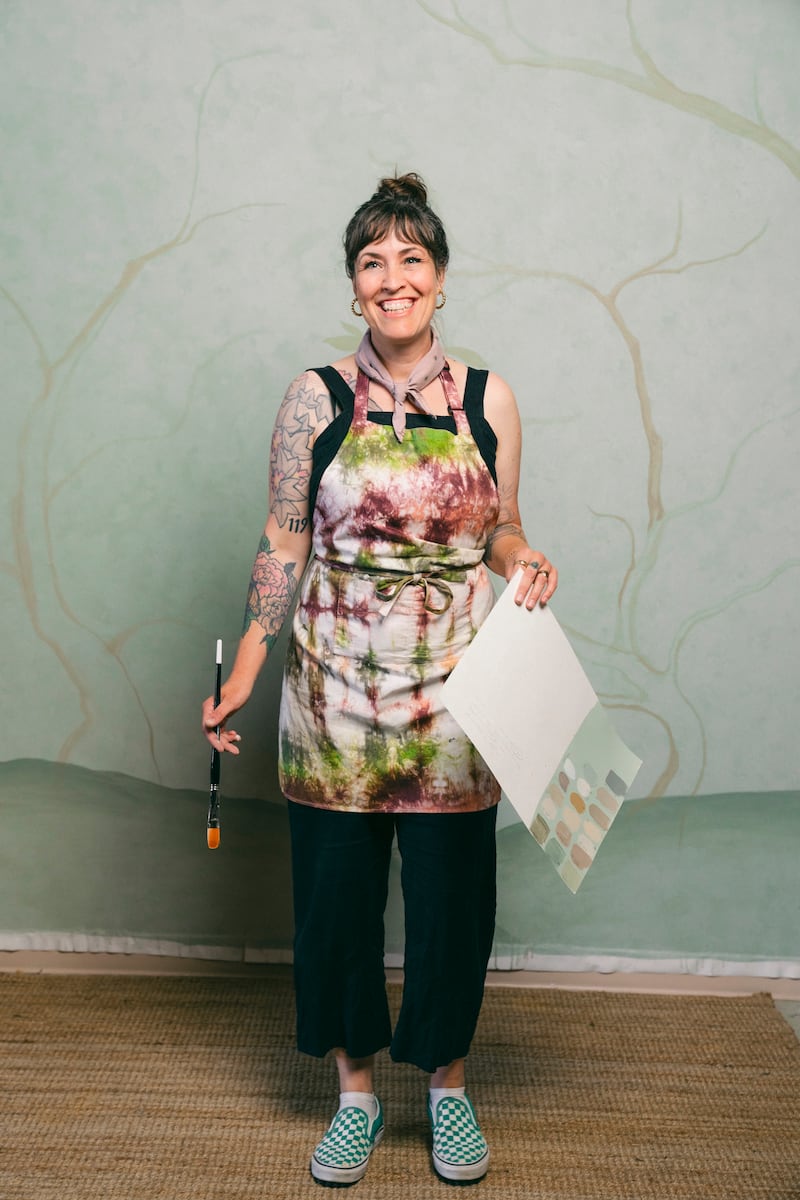
Melanie Nead
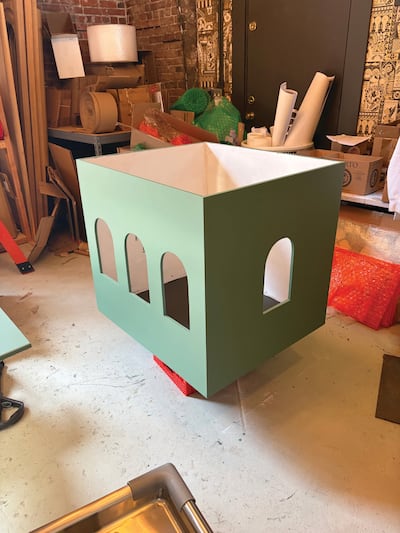
Melanie Nead is founder of Lonesome Pictopia, an all-female design studio producing obsessively designed, traditionally printed wallpapers; hand-painted and custom wallpapers and tiles; and in situ murals. Her room, titled “Design is a Portal,” uses wallpaper, art, and handcrafted furnishings to blur the boundaries between worlds.
What’s your design philosophy?
We have so many places we find inspiration, and so much we feel passionate about communicating through our work! We always return to the idea of creating magical worlds—lush, immersive spaces that transport anyone who enters them.
We feel a profound passion for keeping historic forms of craft and visual expression alive in an increasingly digital world: to make non-AI things of human beauty. We run the risk of losing all this historic knowledge of craft—we’ve already lost so much through industrialization—so we’re trying to do what we can to keep the flames burning.
What’s your favorite piece of art, furniture or décor that you own, and where did you find it?
I own a very simple but amazing wooden chest that a relative of mine shipped from the U.K. to Canada during World War I when he was in the Royal Air Force. It has stenciled lettering on it that includes “Not to be opened in the UK,” and family lore said that he shipped home some kind of contraband in it. It was the coffee table at the cabin in Canada where I used to spend my summers as a kid, and it was full of circa 1960s fabric scraps remaining from the pillows my grandma made for the cabin, with loons and Canada geese and pheasants. The chest had cedar in it to prevent moths, and every time I open it, I get a whiff of my childhood.
How do you hope your work changes the way people live at home?
Our hope and aim is always to create beauty, and I mean beauty on so many levels: the literal beauty of what we make, but beyond that, the beauty of collaboration, kindness, deep and meaningful human connection—the thought and care we bring to every decision, the kindness with which we treat each other; our sweet team, our collaborators, the community as a whole. I feel like we have this amazing opportunity to create a tiny utopia, a version of the world as we want it to be.
Our main requirement for designs is that there’s a reason behind them—some kind of deeper thought or meaning in the way we’re applying pattern, color, etc. We feel so inspired and honored by the fact that our work will live in human spaces—that all the messy complexity of lives happens within and in response to the work we create. That’s a pretty mind-blowing thing to consider.
See more of Nead’s work at lonesomepictopia.com.
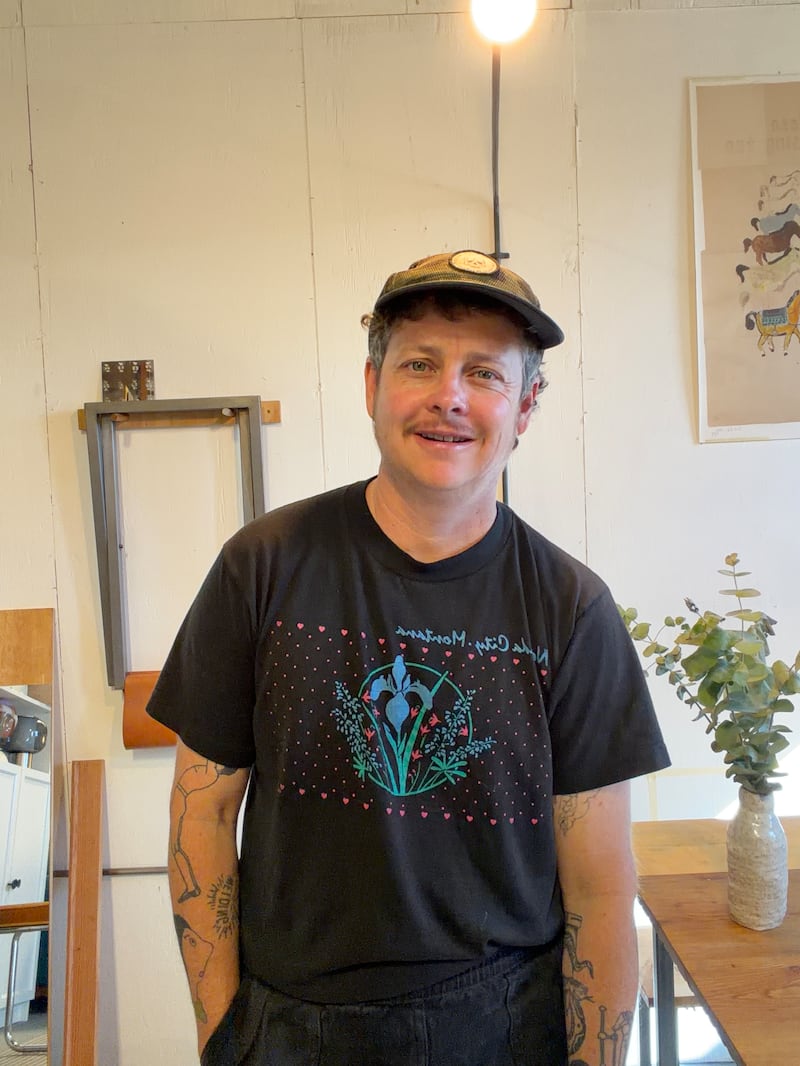
Carson Terry
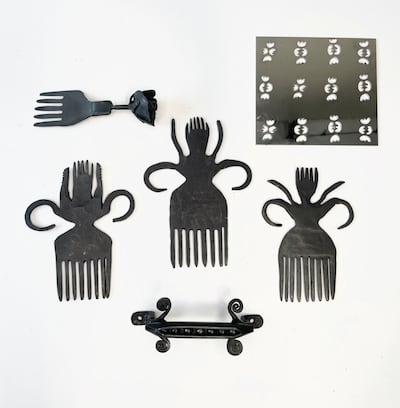
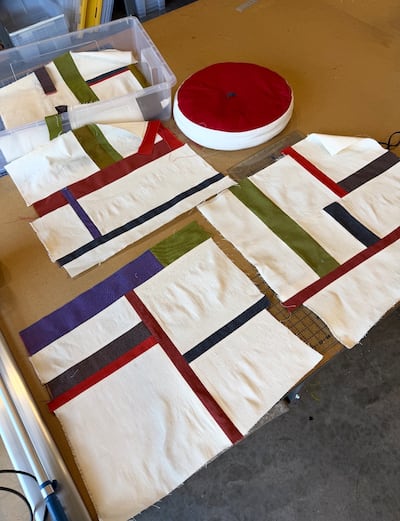
Carson Terry is an artist based in Portland. He studied sculpture at both the Penland School of Craft and Oregon College of Art and Craft. He wants his work to require the viewer to consider the object’s presence, material choice, and impact, to create a relationship with the object. Inspired by the resourcefulness of tiny homes and camper interiors, the room he’s dubbed “Living Module” explores how principles of adaptable design can transform larger living spaces.
What’s your design philosophy?
My design philosophy is grounded in the belief that good design begins with paying attention. Whether I’m creating work for a client’s home, a gallery, a museum, or another space, I want to understand its context before I begin. I like to experience a place firsthand, consider how people move through it, what it asks of them, and how an object can contribute to that experience.
Whether I’m designing furniture, interiors, or hand-forged objects, I aim to create work that is both sculptural and functional. I want each piece to earn its place—not only because it is beautiful, but because it enriches everyday life and fosters a lasting connection between people, place, and the objects they choose to live with.
What’s your favorite piece of art, furniture or décor that you own, and where did you find it?
My current favorite piece of art I own is a drawing by Robert Hubert, an artist I discovered at Elbow Room. It is a reimagined version of the Fleetwood Mac Rumours album cover, and what first pulled me in was his incredible use of color. I also quickly noticed the eraser marks and small traces of process that made the piece feel alive: When you look closely, you can see where Robert ran out of room while writing “Classic Rock.” The word “Rock” begins in faint letters just after “Classic” because he realized he didn’t have enough space to comfortably fit the k on the paper he chose. For many people, that might be the moment they start over with a fresh sheet. But leaving it there is exactly what makes the drawing. Instead of being mistakes to correct, the eraser marks are evidence of a decision made in real time, revealing the artist’s process, and remind me that the most meaningful objects often carry traces of their creation.
How do you hope your work changes the way people live at home?
Through my work, I hope to create objects that encourage a greater sense of awareness and care in everyday life. A table can become more than a surface, a spoon more than a utensil, and a room more than a container. I want the things we live with to invite attention, connection, and appreciation, to remind us that our homes are not just spaces we occupy, but environments that actively shape who we are.
See more of Terry’s work at instagram.com/hossly.
Felicia Murray
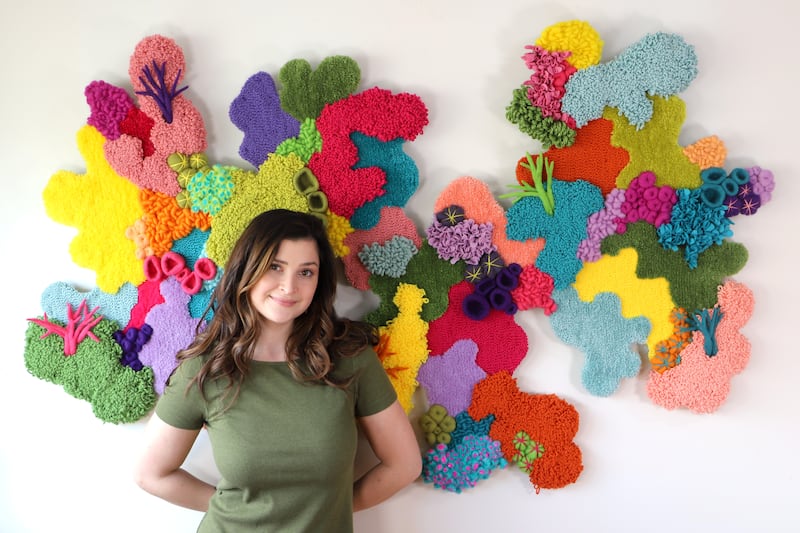
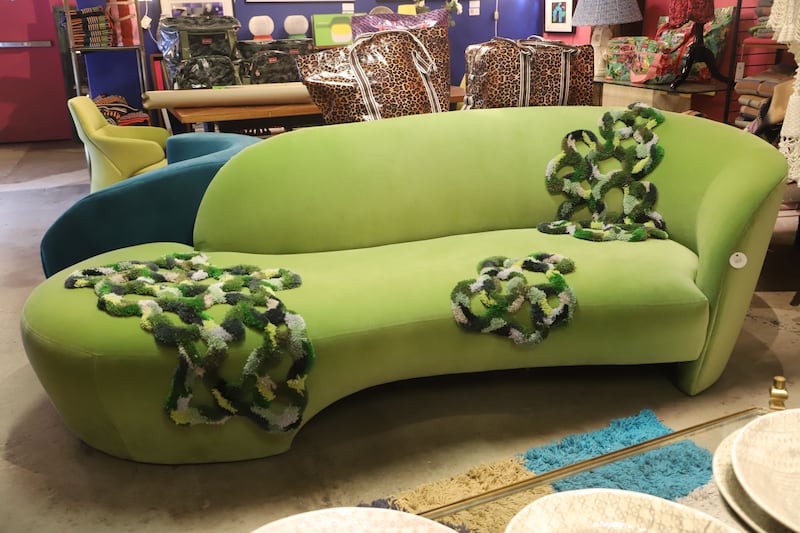
Felicia Murray is a fiber artist from Maine, who now lives in Portland with a studio at NW Marine Art Works. Her tactile work explores motifs from nature, while creating imagined landscapes of color and texture. In a space she’s titled “Room to Breathe,” visitors are invited to slow down and reconnect with their senses.
What’s your design philosophy?
In 2022, after creating an installation called Art is Home, I realized that art had become that place for me, a second home that I could always return to when needed: a place of safety, comfort, healing, and belonging. Since then, I have worked to offer viewers a similar experience. Through tactile materials, my use of color, and large-scale installations, I aim to create environments that invite people to slow down, feel present, and connect with themselves. I want my work to take viewers into another world where they can feel free to be themselves, experience a sense of comfort and home, and leave feeling more connected than when they arrived.
What’s your favorite piece of art, furniture or décor that you own, and where did you find it?
I would have to say my pig collection. My mom used to collect pigs, and after she gave me her collection a few years ago, I have been collecting my own to add to the collection. Pigs aren’t even my favorite animal, but I just love the hunt of trying to find a unique pig in every city and country that I visit! I am looking forward to finding a unique way to display them in my new colorful, artful, and maximalist home! I think I enjoy my small trinkets and collected ephemera more than my larger pieces of furniture, as they are collected memories from different points in my life that bring me nostalgia, happiness, and comfort.
How do you hope your work changes the way people live at home?
I hope my work inspires people to think of art in a new way, not only as something simply framed on the wall, but as an environment that can be experienced and interacted with. By blending functionality with art, you can create something truly unique and meaningful that is woven into your everyday life. Designing a space can be intimidating, but I believe that the most important thing is to create an environment that feels authentic to you. The most meaningful spaces are the ones that really feel like an extension of the person who lives there.
See more of Murray’s work at feliciajmurray.com.
Camille Shu, Shay Carrillo and Carma Ferrier
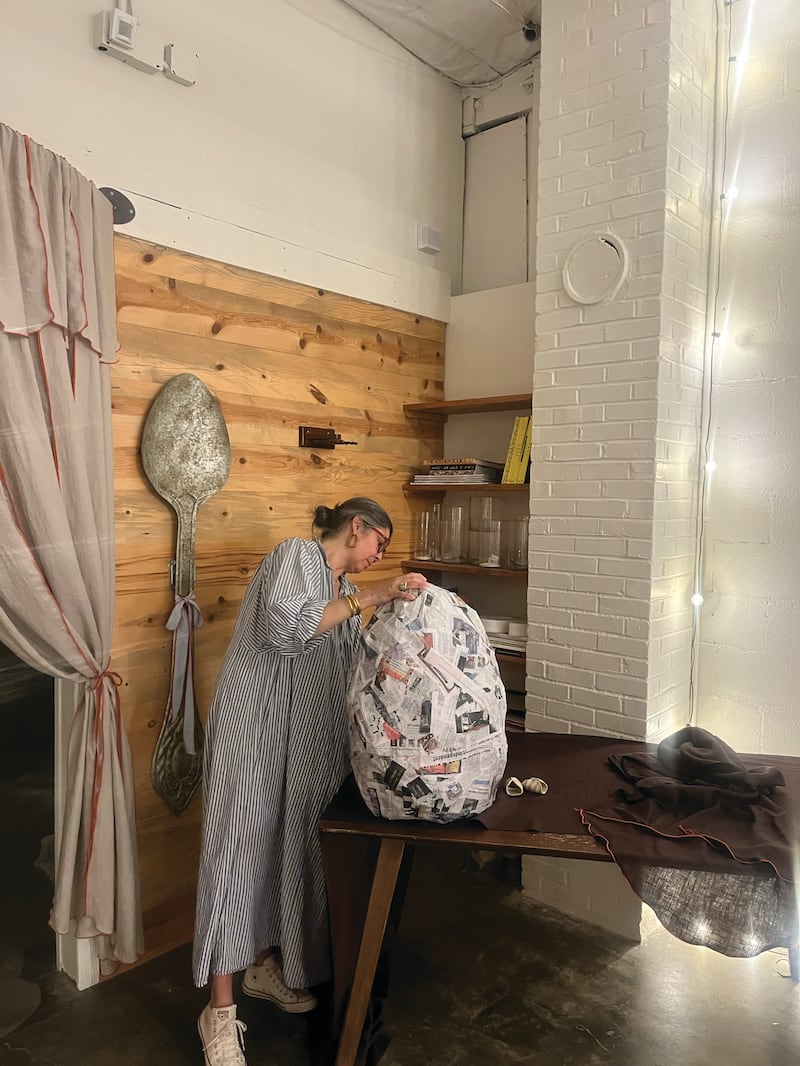
A playful reimagining of two of the home’s most comforting spaces, the room called “Breakfast in Bed” blurs the line between dining and sleeping through bold color, layered patterns, and handcrafted details. It’s also the collaboration of three artists. Camille Shu is a painter based in Portland. Shay Carrillo is a Portland textile artist, designer, and founder of MADRE Linen. Carma Ferrier is a ceramic artist and designer whose hand-built work explores organic form, texture, and the beauty of the maker’s hand.
What’s your design philosophy?
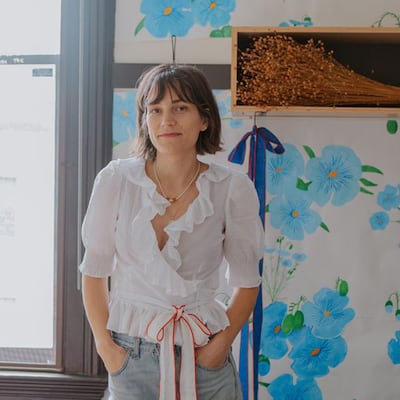
Camille Shu: My approach to design comes from a place of appreciation and celebration of the everyday. I don’t want to overcomplicate or reinvent the wheel but rather celebrate what I see. We all interpret the world around us and create outward expressions of our experiences. For me, that looks like a painting of melons that was inspired by my breakfast snack one warm summer day in August. That painting celebrates the colors and encapsulates a summer feeling. I think it’s amazing that I can take something fleeting like a slice of melon and turn it into a tangible piece of art that can be appreciated every time someone walks into their bedroom. I want to bring color into people’s spaces and create work that is a reminder of seasonal abundance outside our doors. The more we slow down and notice what’s around us the more connected we feel. My hope is that this appreciation fosters a greater sense of care and respect for those environments in turn.
See more of Shu’s work at camilleshu.com.
What’s your favorite piece of art, furniture or décor that you own, and where did you find it?
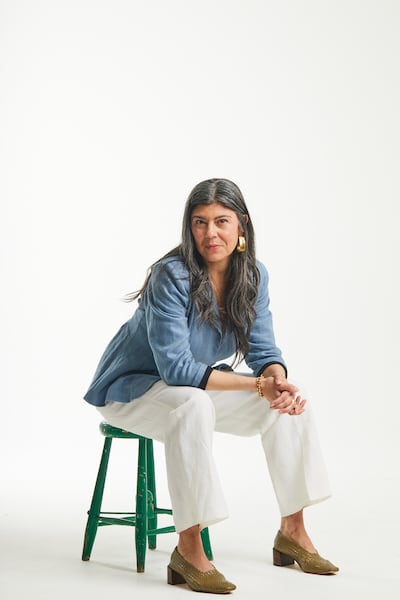
Shay Carrillo: My most treasured objects are, without question, the pieces of art my children have made over the years. They are priceless to me. I also deeply covet a green wooden hand-turned bowl crafted by the father of a dear friend—it has served countless giant salads around our table and those of friends. The ceramic pieces throughout our home, made by artists I know personally and admire, remind me daily of the beauty of living alongside the work of friends. And finally, my ever-growing collection of cookbooks. They are far more than recipes; they are endless sources of inspiration, carrying stories of culture, hospitality, memory, and the simple joy of feeding others.
See more of Carrillo’s work at madrelinen.com.
How do you hope your work changes the way people live at home?
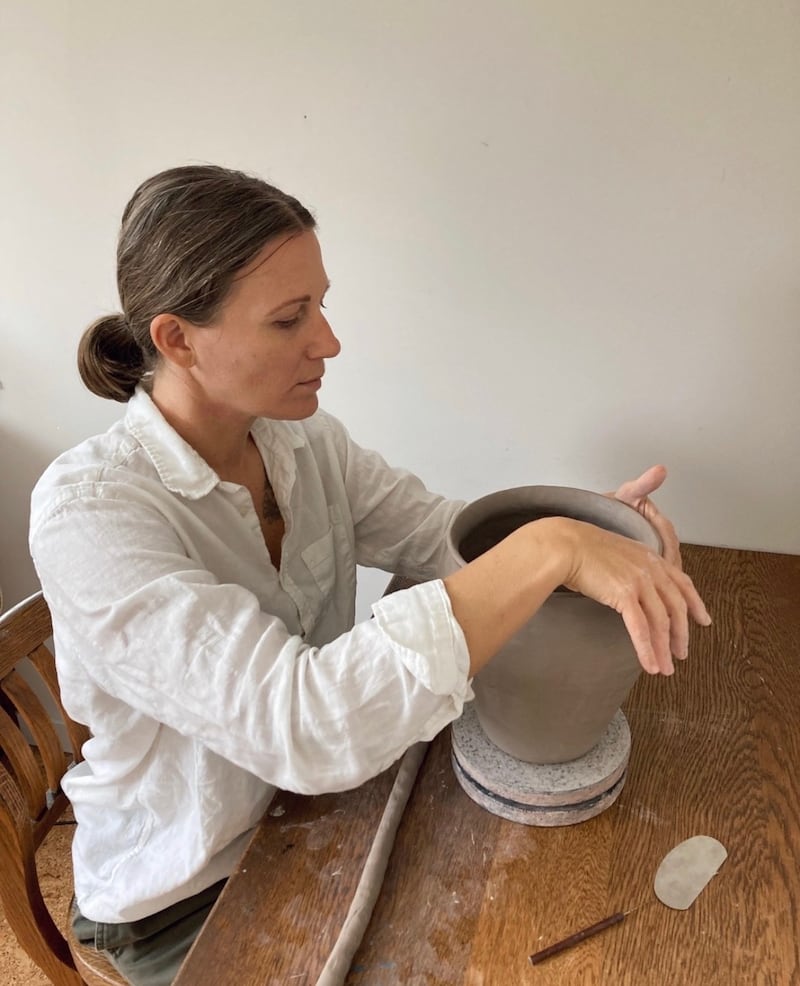
Carma Ferrier: I believe that anything handmade adds warmth and life to a home. I hope that my ceramics encapsulate that warmth as well as an element of collaboration between the owner and me. Both of us having a part in the meals they serve or the bouquet they display. My pieces are very organic and are tailored to worship the food or flowers you bring into your home and help change the everyday mundane into something magical.
See more of Ferrier’s work at instagram.com/carmaferrier_ceramics.
Meet the artists behind our Signature Rooms during a ticketed preview hour for NestFest we’re calling Artists Up Close. This is an intimate morning for creatives and industry peers to get an early, and closer look at the people, ideas and craftsmanship behind NestFest’s Signature Rooms over Puff coffee and pastries from Decadent Creations. Your ticket includes a NestFest tote filled with gifts from Portland Coffee Roasters, Clayhaus, and Pendleton, plus discounts toward local creative brands. Get your tickets here.
Read more about NestFest here!