Skip to main content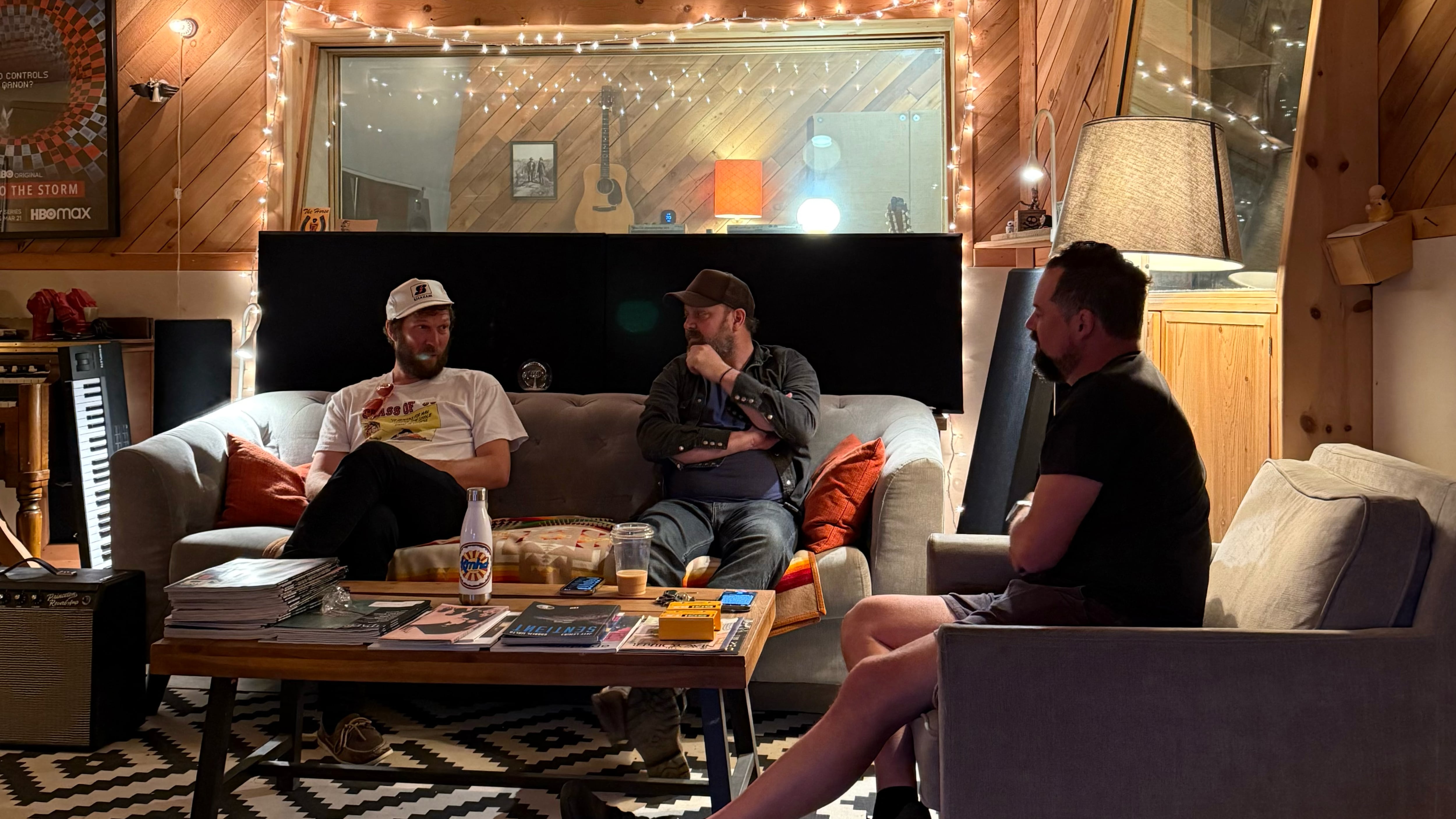
Brett Allen has worked as a music producer for nearly 20 years, recording bands like The Delines and Stephen Malkmus at his Whitefish, Mont., recording studio, SnowGhost. But the realities of the music industry started wearing on him.
“I was a record producer in my past life. I’d like it to be my current life as well,” Allen tells WW, but [I was] kind of always feeling frustrated that it was hard for my friends to make a living with the things that we put so much time and effort and love into.”
On top of that, Allen noticed that so many musicians he knew were putting that time and effort into things that had nothing to do with their actual art forms, and that yielded little or no monetary benefit.
“I think the constant theme was always like, ‘We’re spending a lot of time kind of immersing ourselves in activities that aren’t the music itself and don’t pay’—like social media and so on.”
He noticed something else: Pretty much all the artists he knew had amazing artifacts in their personal collections—sometimes storage lockers full. Scribbled song lyrics. Old guitars. Doodles that later became cover art.
So he launched Ghostnote, an e-commerce platform and digital archive where artists can list those items for sale, while also sharing the stories behind them.
“The idea [behind Ghostnote] was kind of, ‘How do we get back to doing the things we’re already doing?’ and then figuring out how to kind of journal and archive a life, a creative life, through living items,” Allen says. “Make it fun and engage the artists in storytelling—something that they don’t mind doing and they do anyway—and then find a way to make those things available to fans and create a sustainable income stream for artists.”
Online marketplaces for individual sellers to sell used goods or handmade work are not new. EBay has been around since 1995; Etsy launched in 2005. It’s not unheard of for artists to sell or auction off artifacts or used goods on these sites to make extra cash or raise money for charity.
There are a couple of ways Ghostnote is different. First, there’s a sense of thoughtful curation, with different storefronts dedicated to different scenes, including one dedicated strictly to the Portland music scene. Allen has engaged Cory Gray, a musician (who plays in The Delines and Old Unconscious) and producer who’s also been active for more than 20 years, as a sort of A&R person to find local artists who might be interested in selling work online. The Portland music scene store currently features items like an autographed Minus 5 show poster from Portland musician and man about town Scott McCaughey, handwritten Richmond Fontaine song lyrics from Willy Vlautin (who currently plays in The Delines with Gray) and watercolors by Portugal. The Man’s John Baldwin Gourley.
But the big thing that sets Ghostnote apart is a sophisticated authentication process that, according to Allen, means the artist gets paid not just when the item sells initially—but every time it sells after that.
The tech is proprietary and a patent is pending, Allen says, but the gist is that when an item is scanned and uploaded to the site, Ghostnote adds an NFT-like digital signature to authenticate the image of the item. The idea was to make the process feel “as simple as a grocery store check-in and checkout.”
“You hold the phone over the thing and hold still for a second. It scans the item, and it’s literally like a fingerprint. The thing is the thing, you know,” Allen says. “So we look at the thing and match all the little attributes and features that we saw before, and are able to look at change and, you know, if it’s been materially damaged and or modified in any way, shape or form, and it’s great. It works.”
The artist gets 80% of the first sale; 20% of the funds from the initial sale go to Ghostnote. When an item is resold, 80% of the revenue goes to the reseller, 10% to the artist and 10% to Ghostnote.
Artists also don’t set their own prices, Allen says; instead artists set the “threshold” at which they’d consider parting with something, or beginning the discussion. (McCaughey’s Minus 5 poster lists for a suggested offer of $265; Gourley’s watercolor lists for a minimum price of $1,050.) Allen notes that even for music fans who choose not to make a purchase, Ghostnote serves as a gallery or “living archive” of artists’ stories.)
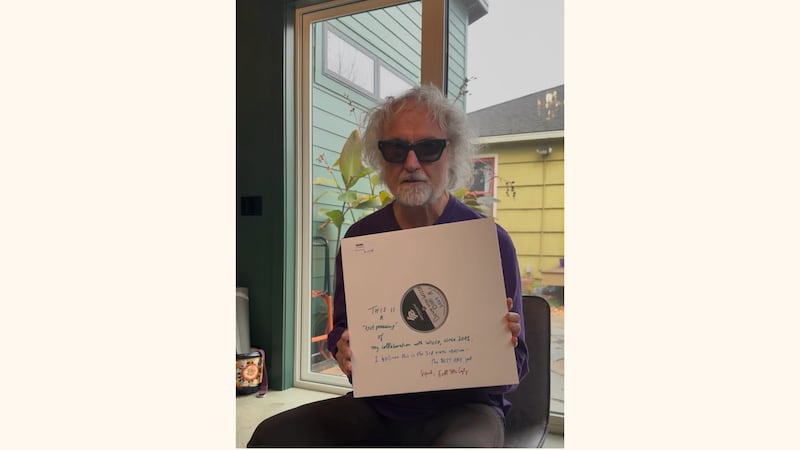
Allen started working on Ghostnote about two years ago, launching quietly once enough inventory was online. The Portland scene was definitely “ground zero” as far as scenes Allen wanted to build and collaborate with; it felt like an organic fit due to Portland’s DIY ethos and the number of artists who work in multiple media, and has served as a template for the site as a whole.
“I’m definitely thankful for the Portland music scene and aesthetic,” Allen says, “because I think it’s made it really easy going to other places and saying, this is what it should be like.”
Allen hopes Ghostnote will offer a way for artists to have more sustainable income streams in the face of streaming services that have increased access to music but offer little remuneration to artists.
“When I was a kid, you know, there was a gate: You go to Tower and spend a lot of money, and those were the people that could listen to music that wasn’t on the radio,” Allen says. “So there is a double-edged sword because I think a lot of artists are happy that everybody has access, but equally, it is the thing that has made it challenging to have a revenue stream.”
CHECK IT OUT: To learn more, visit ghostnote.com.