Skip to main content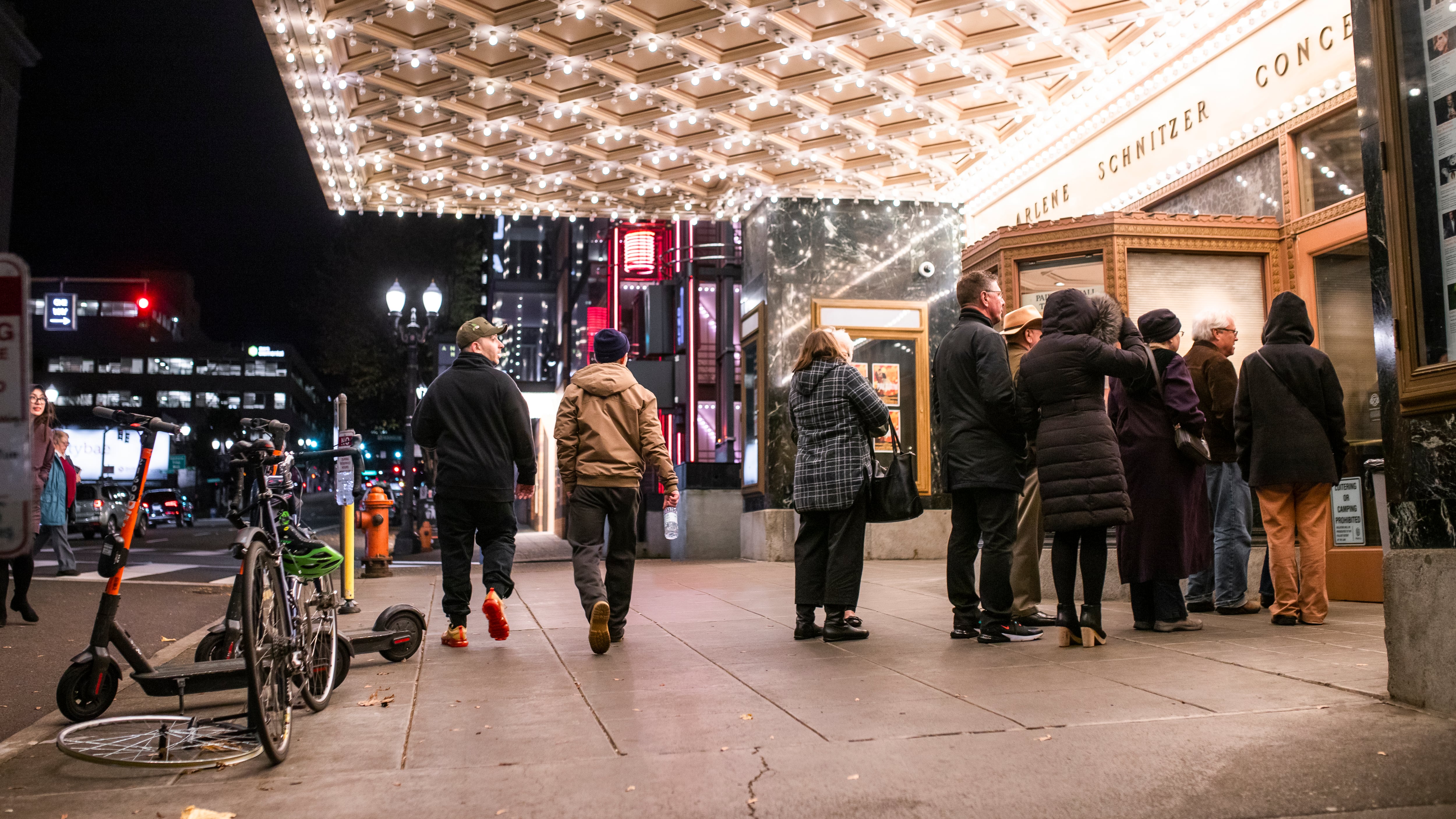
Councilors at Metro, the regional government, will decide next month whether to back a bill in the Oregon Legislature that would ban companies and individuals from listing event tickets for sale that they don’t have in their possession.
So-called speculative ticketers bet they can sell tickets they don’t yet own, then purchase the tickets at lower prices from box offices and pocket the difference.
The Metro Council’s blessing matters here because it manages Portland’5 Centers for the Arts, operator of the Arlene Schnitzer Concert Hall, Keller Auditorium and three other venues. “It is not uncommon to find tickets to Portland’5 events for sale on secondary marketplaces before the official on-sale date,” Metro legislative affairs manager Anneliese Koehler wrote to the Metro Council.
A case in point from Southern Oregon: Alison Krauss & Union Station plan to play the Britt Festival Pavilion in Jacksonville on Aug. 25. Tickets for that show don’t go on sale until the end of January and will cost $99, says Abby McKee, president of the Britt Music & Arts Festival, but they are shown as available for purchase on GoTickets.com for $353.
“This happens for every single show,” McKee says.
Often, customers who buy from speculative sellers get an email a few days before the show saying that their tickets have been canceled, McKee says, or they arrive at the door and learn that they have four copies of the same ticket, either printed or on their phone.
The bill banning speculative ticketing is in the planning stages, McKee says. The legislative concept for the House bill has been filed; a bill number has yet to be assigned.