Skip to main content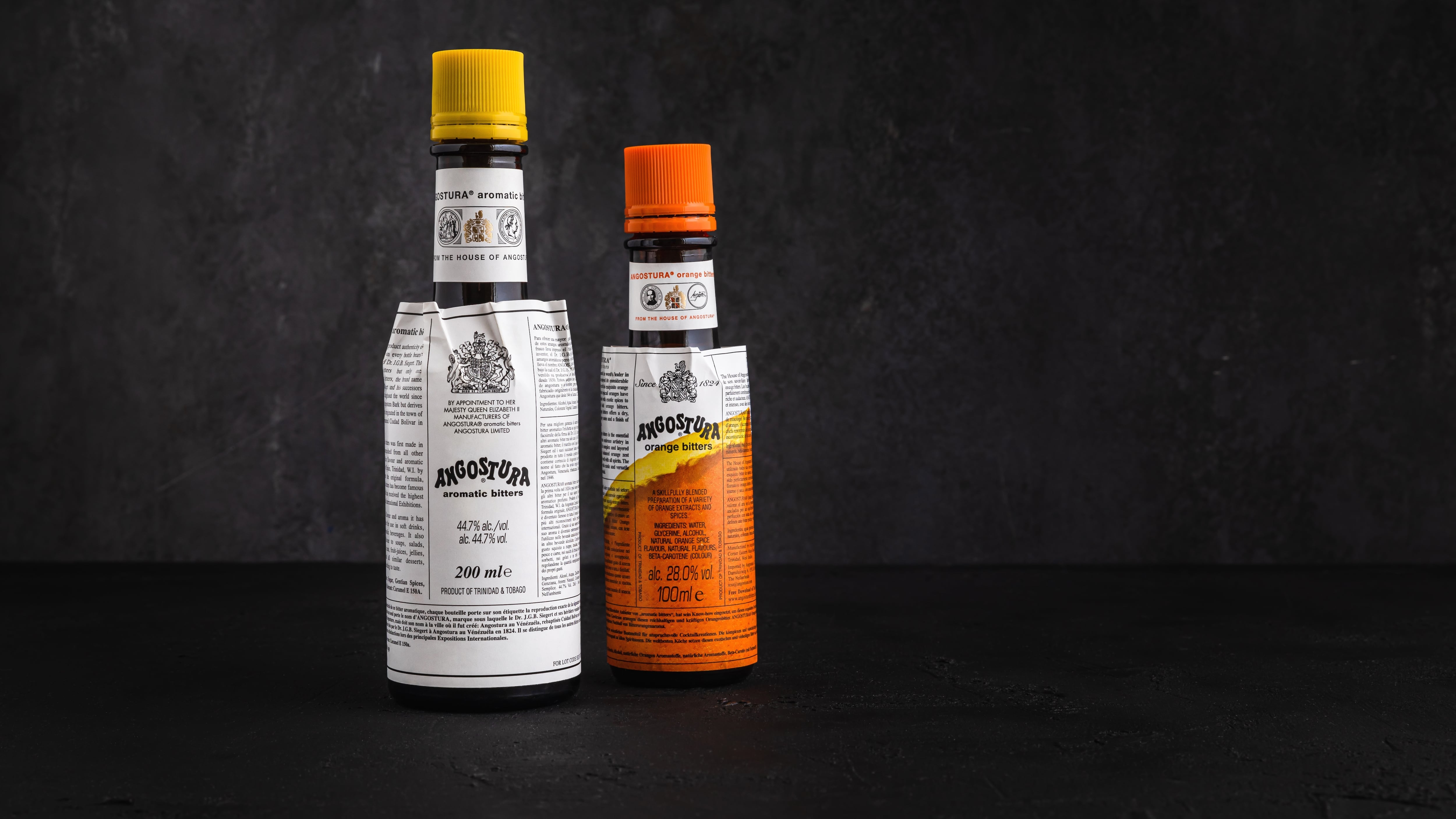
Why are bitters so freakin’ expensive? A 4-ounce bottle of Angostura is like $15. I’m pretty sure that they weren’t that exorbitant when I was younger, even accounting for inflation, but a few years back something happened and they’ve been astronomical ever since. How am I supposed to feed my jones for classic cocktails? —Old Fashioned Guy
I can’t help thinking you’re well into middle age, Guy—and not just because you’re reading the paper rather than getting your news as vertical videos from a 20-year-old in yoga pants. First, unlike the youth of today—who are apparently too cool to ruin their lives with drugs and alcohol the way their decent, hardworking parents did—you drink. Second, you’re referring to a time before most current high school seniors were born as “a few years back.”
As someone who increasingly finds himself giving directions in terms of where stuff used to be, I feel your pain. Still, the fact remains that the Great Angostura Famine—the event that turned bitters into the caviar of the alcoholic—took place just weeks after Barack Obama’s first inauguration.
The narrative is relatively straightforward: In 2009, a hiccup in production left Angostura temporarily unable to obtain the distinctive brown bottles in which it packaged its wares. (Eleven years later, COVID would teach us the term “supply chain disruption.”) For several months, the company could not ship any bitters at all, triggering a period of panic, hoarding and breathless bits of puff journalism in the lifestyle sections of what were then called “magazines.” Given the elixir’s scarcity, it was only natural that prices would skyrocket.
There are a couple of holes in this story, however. One is the fact that, while there were isolated reports of price gouging at the peak of the shortage, the official retail price didn’t go up all THAT much at the time. A more glaring issue: The bottle supply was restored within a few months, yet Angostura’s price has continued to rise for the past 17 years.
What seems to have happened is that cocktail lovers willingly accepted the price spike from that initial supply shock. That showed Angostura it had more market power than it previously supposed, and the company just ran with it. It’s like when unforeseen events make you realize you can close the Strait of Hormuz whenever you want—you’re like, “Man, we should have done this a long time ago!” Bottoms up!
Questions? Send them to dr.know@wweek.com.