Skip to main content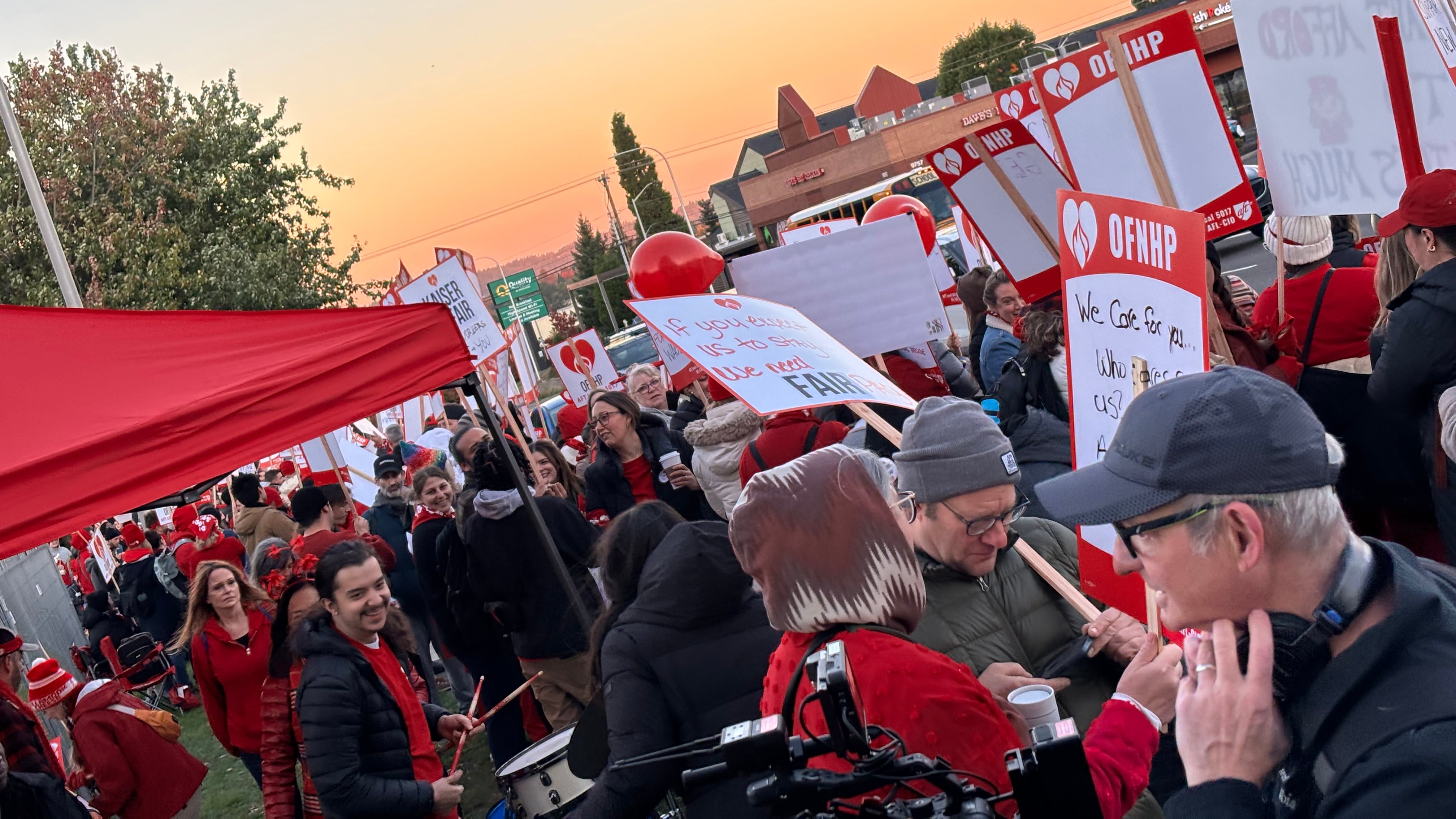
Kaiser Permanente and thousands of its workers have reached a tentative labor deal, a key Portland-area union announced Monday, as workers secured significant wage increases at one of the area’s largest health care providers.
The deal would mean minimum 21.5% raises over the life of the contract—three years and eight months—for about 62,000 workers nationwide, including about 5,000 workers at Kaiser facilities in Oregon and Southwest Washington.
The raises are sure to raise eyebrows for some, given that the cost of health care has already been spiraling upward for years now. But union members respond that the dynamics of the famously byzantine U.S. health system cannot simply be reduced to staff pay. They argue the higher wages will produce a more stable workforce, reducing inefficient expenditures on things like turnover, overtime pay, and contract employees while improving quality of care.
“It’s kind of like investing money up front to save money moving forward,” Rhea Hindemit, a histology technician and member of the union bargaining team, tells WW.
A Kaiser Permanente spokesperson did not respond to questions by deadline.
The provisional deal comes after thousands of Kaiser workers struck for five days in October. While some unions around the country have already approved their contract, the Oregon Federation of Nurses & Health Professionals still awaits a ratification vote by members. Spokesman Shane Burley says the vote opens this week.
The terms of the deals vary not just around the country, but also between worker subgroups. The largest of the OFNHP Kaiser Permanente units consists of registered nurses. Another counts as its members an eclectic group of medical professionals, ranging from mental health therapists to nurse practitioners to physical therapists. Another is made up of dental hygienists.
Pay varies. Hourly rates in a tech worker unit range from around $19 an hour to around $39, Hindemit says, noting that some of the biggest raises will be coming at the bottom of the pay scale.
Meanwhile, longtime lab professional Nick Oberst tells WW, hourly pay in his lab worker unit spans from around $40 into the $50s. This was once market-leading pay, he says, but the value has eroded with inflation. If the contract is approved, though, these figures will grow notably higher.
Oberst has been working at Kaiser for about 17 years, mostly in the lab at Sunnyside Medical Center. Also a bargaining team member, he saw in these latest contract talks a couple of new dynamics.
For one, he says, Kaiser’s negotiators seemed to be taking cues from national leaders more than in the past. Meanwhile, on the lab worker side, he says, concerns have bloomed about the increasing local prominence of Labcorp, a for-profit company that in recent years acquired labs from Legacy Health and Providence Health & Services. OFNHP union campaigns followed in both cases.
Oberst says the union sought for lab workers new successorship language—basically, guarantees in the event their division got sold off too. The union did not get the provisions it sought. Still, he says, it got other language guaranteeing extended financial support in the event of layoffs.
“That has assuaged us a bit,” he says.