Skip to main content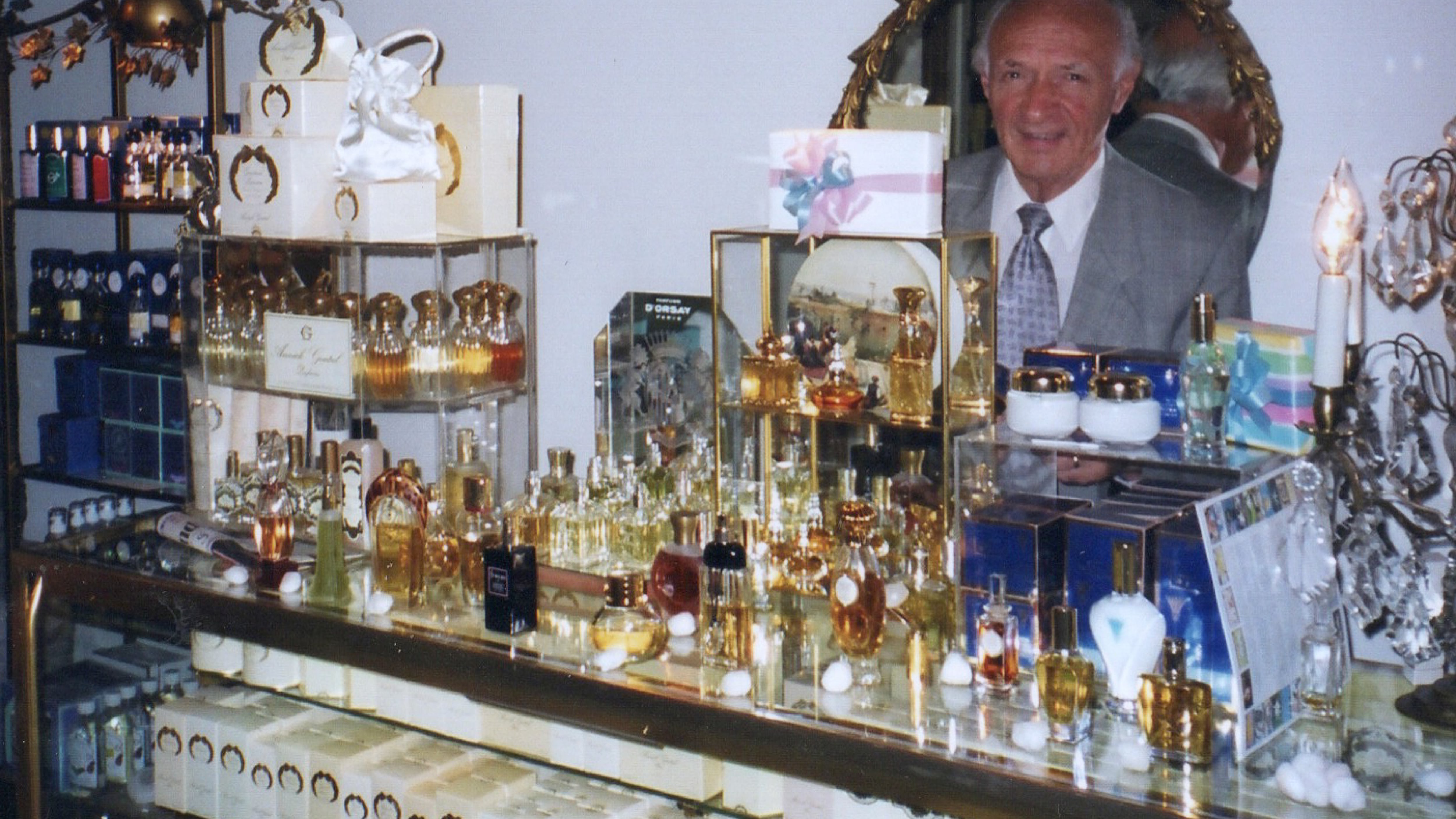
Gone are the days when the only way to test a new scent was to visit a department store or flip through a magazine. Portland actually punches above its weight in perfume stores per capita—and variety. From the historic to the hard to find and even a DIY option, these Portland shops make perfume shopping accessible and, frankly, fun.
The Marie-Marie
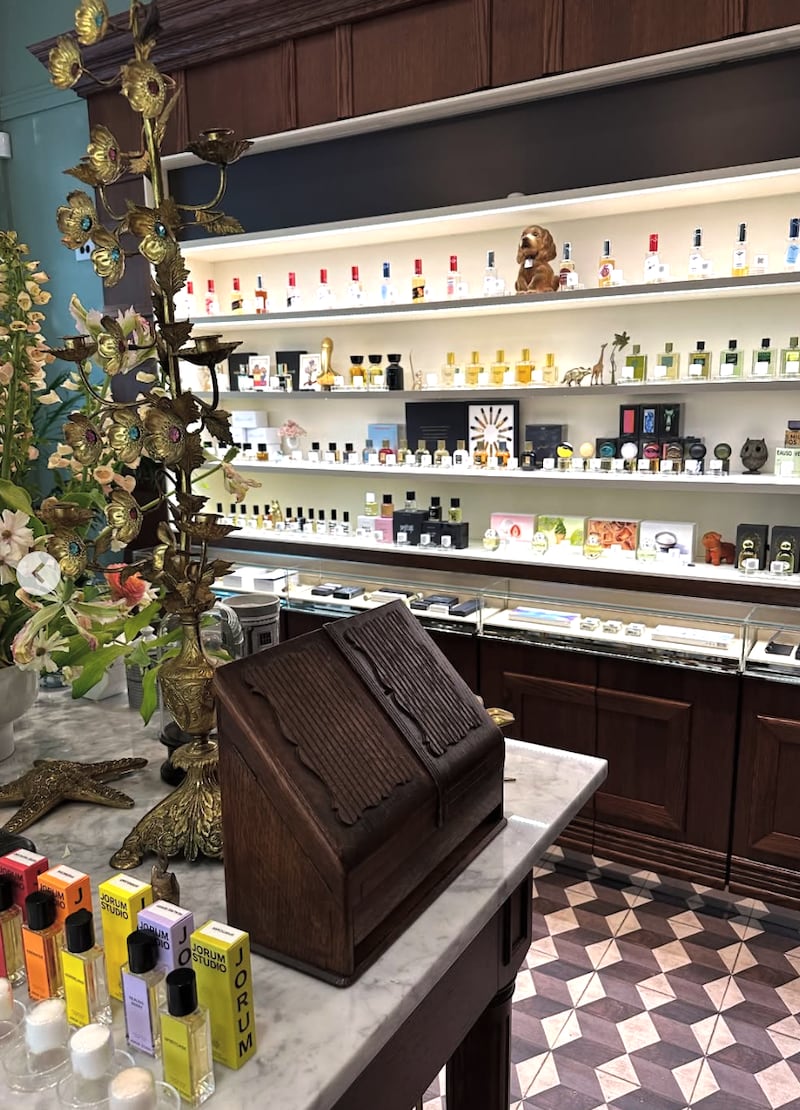
Just entering The Marie-Marie is a transportive experience.
You press a vintage buzzer to be let in. The petite storefront then opens into a jewel box of dark wood built-ins, gilded antiques and wall-to-wall displays of niche perfumes. When starting the shop in 2025, owners Henry Aesoph and Nicole Miller took inspiration from old Paramount movies. “It’s a fantasy influenced by classic hotels and department stores,” Aesoph says. “It’s also a fantasy level of service.”
Knowledgeable staff is there to guide you, but each perfume is also sprayed on a cotton ball and placed inside a thimble-sized glass cup—a small, thoughtful detail that enables shy customers to explore on their own.
Miller and Aesoph also operate Mon Oeil, a fragrance distribution company. For both that and their in-store stock, they source strategically. “The common thread is that we like art and we like the artists,” Aesoph says. “We buy fragrances with some kind of artistic significance.”
Aesoph acknowledges that, historically, the industry has been “very Eurocentric and male-dominated.” To counter that, he and Miller try to elevate underrepresented voices in perfume—queer, BIPOC and women-owned brands. “Most of the coolest projects coming out these days are from ‘outsider’ voices.”
Aesoph is proud that their store has scents that range from crowd-pleasing to weird but wearable. “Nothing is off the table, there’s literally something for everyone.” 719 SW Morrison St., 971-383-3968, themariemarie.com. 10 am–6 pm daily.
The Perfume House
The Perfume House is the stuff of local legend.
The Hawthorne Boulevard boutique was founded in 1984 by Chris Tsefalas, known colloquially as “The Nose.” He could successfully identify every note in one spritz of fragrance before the last drop hit the ground. Tsefalas died in 2020, but The Perfume House remains, exactly how he left it.
Current manager Mark Liebman, who has been with the shop for almost 30 years, remembers when Portlanders were just starting to dabble with personal perfumes—a time when imported scents were rare outside of department stores.
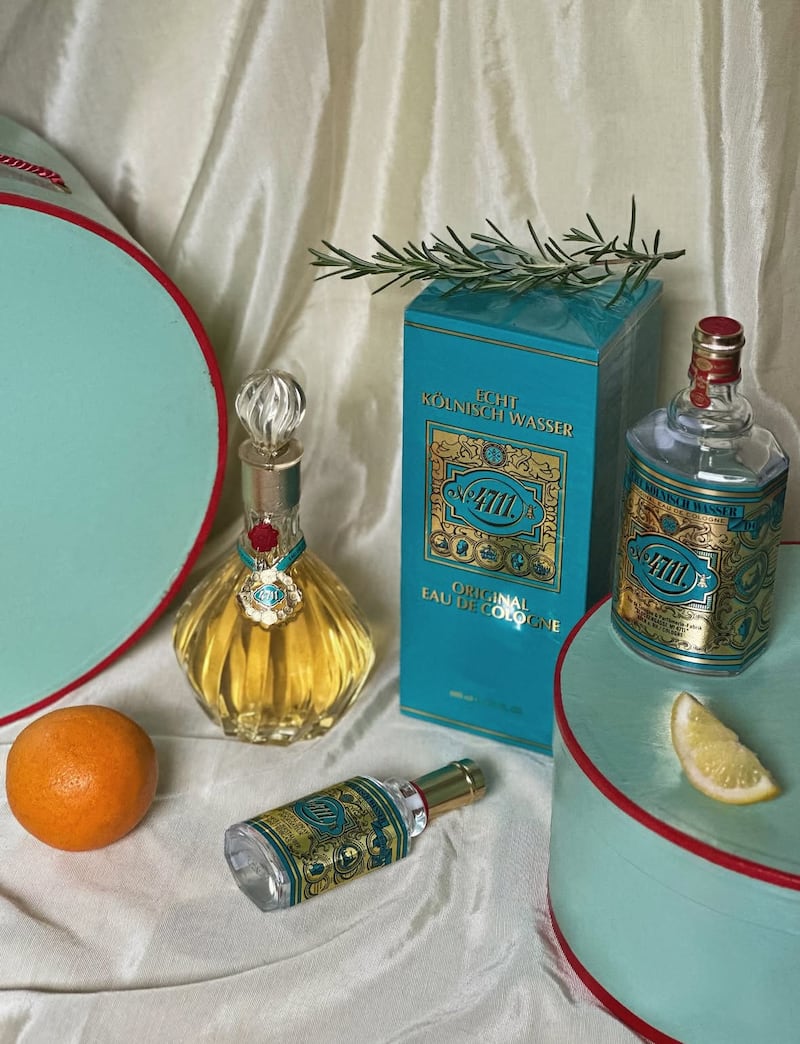
Then and now, The Perfume House is a true library of classic fragrances, independent brands, and some very ornate, display-only antique bottles. Over 1,500 in total. Allegedly, it is the only shop in the world to carry a fragrance commissioned by Napoleon, Le Vainqueur. Every perfume is kept behind a glass-encased, gilded bar—meaning Liebman’s team must shepherd customers through recommendations. Liebman sees the shop’s variety as an opportunity to educate, exposing customers to bottles they might not have considered.
Graves says the store is also seeing a “fragrance addiction” phenomenon—a sudden surge of customers of every age bulk-buying bottles. “Even 12-to-18-year-old boys now frequent our store,” Liebman says. “Fragrance, these days, is truly an all-encompassing art form.” 3328 SE Hawthorne Blvd., 503-234-5375, theperfumehouse.com. Noon–6 pm Wednesday–Monday.
Maak Lab
If you haven’t been able to find a scent that is exactly right, you can learn to make it yourself, at Maak Lab.
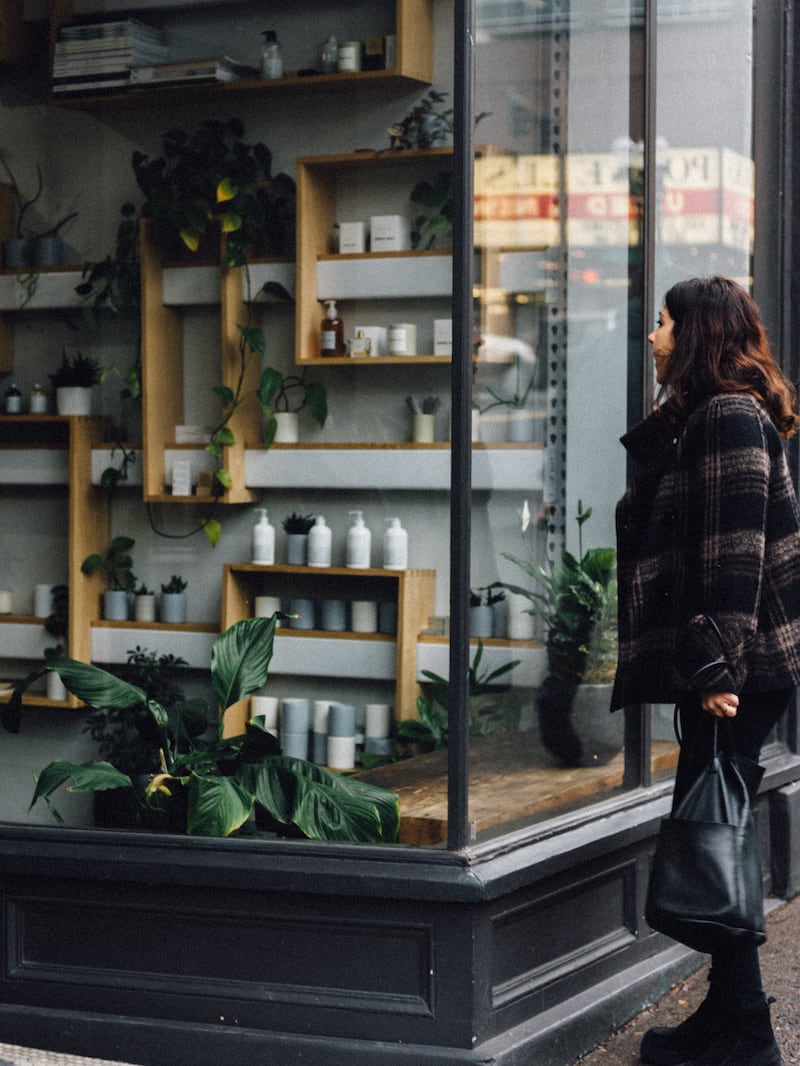
Stepping off Burnside into Maak Lab feels like a reprieve. The bright, minimally merchandised space was designed by owners Taylor Ahlmark and Anoria “Nori” Gilbert to feel like a working studio. Which it is. Between their Saturday custom fine-fragrance classes and their “day job” developing bespoke scents for Portland businesses, the store blends retail with science.
Since starting their business in 2010, Ahlmark and Gilbert crafted everything from sauna oils for Knott Springs to custom candles for restaurants like Tusk and Montelupo. Collaborators will approach them with color palettes or something more concrete (like a hotel light fixture) that they want translated into scent. Other times, they will be asked to reimagine an existing fragrance. Occasionally, they’ll get an open brief that allows them to make something brand new. “Regardless of how a project begins or what the final format is, it always starts the same way—fragrance development and a core scent idea.” Ahlmark says.
That starting point is the same for their Saturday sessions. Gilbert typically leads these, going over the process, materials and “how to” of fragrance composition. She and her students also spend a good portion of the time smelling through raw ingredients and talking about blending techniques.
The ingredients are stored in what the Ahlmark calls “the perfumer’s organ”—a layout arranged by odor family, function or cost. For their classes, the organ is streamlined. For commercial projects, they draw from a broader range of materials, some locally sourced. In the end, everyone takes home their own handcrafted fine fragrance. “The final scent is entirely driven by the person,” Ahlmark says. 916 W Burnside St., 503-893-9933, maaklab.com. 11 am–6 pm daily.