Skip to main content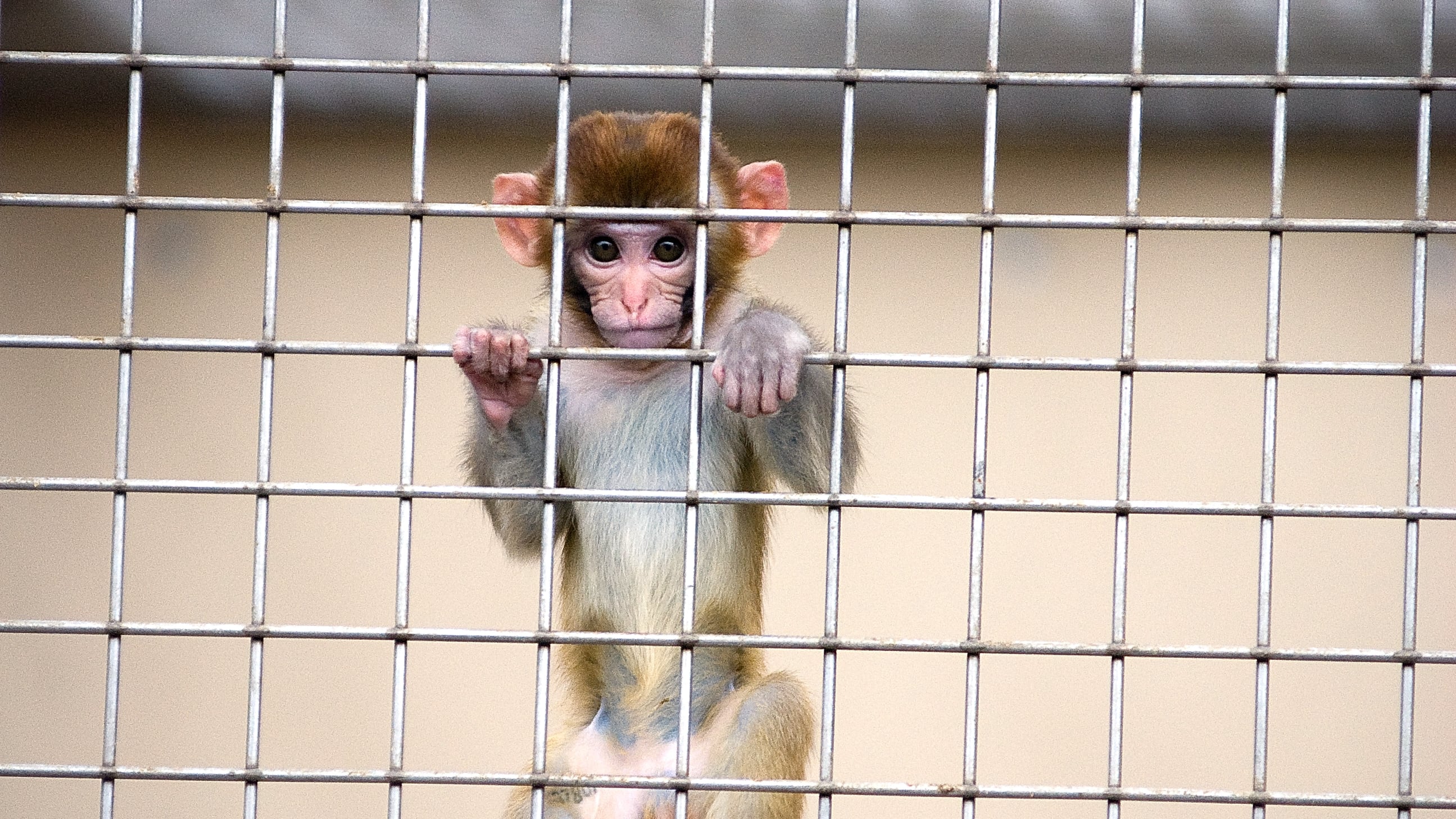
Closing the Oregon National Primate Research Center, as Gov. Tina Kotek and some legislators would like, would cost at least $118 million, according to Oregon Health & Science University, which runs the Hillsboro facility.
To meet that low-end estimate, OHSU would complete current research grants and shrink the center over a period of eight years, according to a study the university commissioned in response to a request from State Rep. David Gomberg (D-Otis), a long-time critic of the ONPRC.
Shutting the facility immediately and sending 4,793 nonhuman primates to other sites would cost $241 million, the study says. The most expensive option, converting the ONPRC into a monkey sanctuary, would cost between $220 million and $291 million in the first eight years, with expenses continuing beyond that.
The cheapest alternative, according to Huron Consulting Group, industry experts who helped Harvard University close its primate research facility in 2015, would be to keep the center open at a smaller scale, even though it runs a deficit. That option would cost between $50 million and $70 million over eight years.
The ONPRC is under dual threat from the Trump administration, which is curtailing funding for research that uses animals for medical testing, and animal rights advocates who last year captured the ears of lawmakers with a radio and television campaign showing grim conditions at the the center.
ONPRC, which runs a deficit because of rising labor costs and static funding, gets about $56 million a year from the National Institutes of Health, one of the agencies under threat by Trump. NIH head Jay Bhattacharya in May said the agency would rely on organoids—three-dimensional tissue cultures that mimic the function of organs—and other technologies to test drugs, eschewing animal studies.
The Huron study failed to appease Gomberg, who requested it through a “budget note,” a tool used by legislators to give instructions to state agencies on how to spend money or manage programs in the current biennium. OHSU is a public corporation that gets a small fraction of its $6.2 billion budget from the state. The governor appoints its board of directors.
In an email to WW, Gomberg said the report failed to describe what OHSU would do to protect its 267 full-time employees (212 of whom are unionized), and all the non-human primates, if cuts in federal funding imperiled the ONPRC’s future.
“What we got back is a shameful justification for keeping the primate center in the business of experimenting on monkeys rather than a serious closure proposal,” Gomberg said. “Six months ago, ONPRC told their staff they expected “‘devastating’ reductions in research funding. Nowhere is that acknowledged in this report.”
Nor did Huron adequately address a change in NIH policy, effective last October, that allows government-funded primate centers like ONPRC (there are seven) to charge costs for “rehoming/retirement of experimental animals,” Gomberg said. The change means that closing the ONPRC would cost less than what Huron estimates, he said.
OHSU spokesman Erik Robinson says Huron did take the change into account.
“As noted in the report, the current operational funding of national primate research centers, including Oregon’s, is intended to support scientific research,” Robinson wrote in an email. “Without additional commitments from NIH to support a center that conducts no research, the consultant could not confidently include continuation of the center’s underlying operational funding in any of these scenarios.”
Kathy Guillermo, senior vice president at People for the Ethical Treatment of Animals, one of the center’s loudest critics, savaged the report, calling it a “piece of nonsense apparently written by experimenters hoping to keep the violation-ridden primate center in business” and a “financial fantasy plan in which closing the fiscally unsound primate center would cost more than building a new hospital for Oregonians.”
OHSU’s board of directors is holding a special meeting on Jan. 22 to discuss the Huron report and the fate of the ONPRC. Gomberg says he plans to testify there.
“What we are told is that continuing redundant, inconclusive and outdated testing on monkeys will lose the University $70 million in the next eight years, but closing will cost even more,” Gomberg said. “In what real world can that be true?”