Skip to main content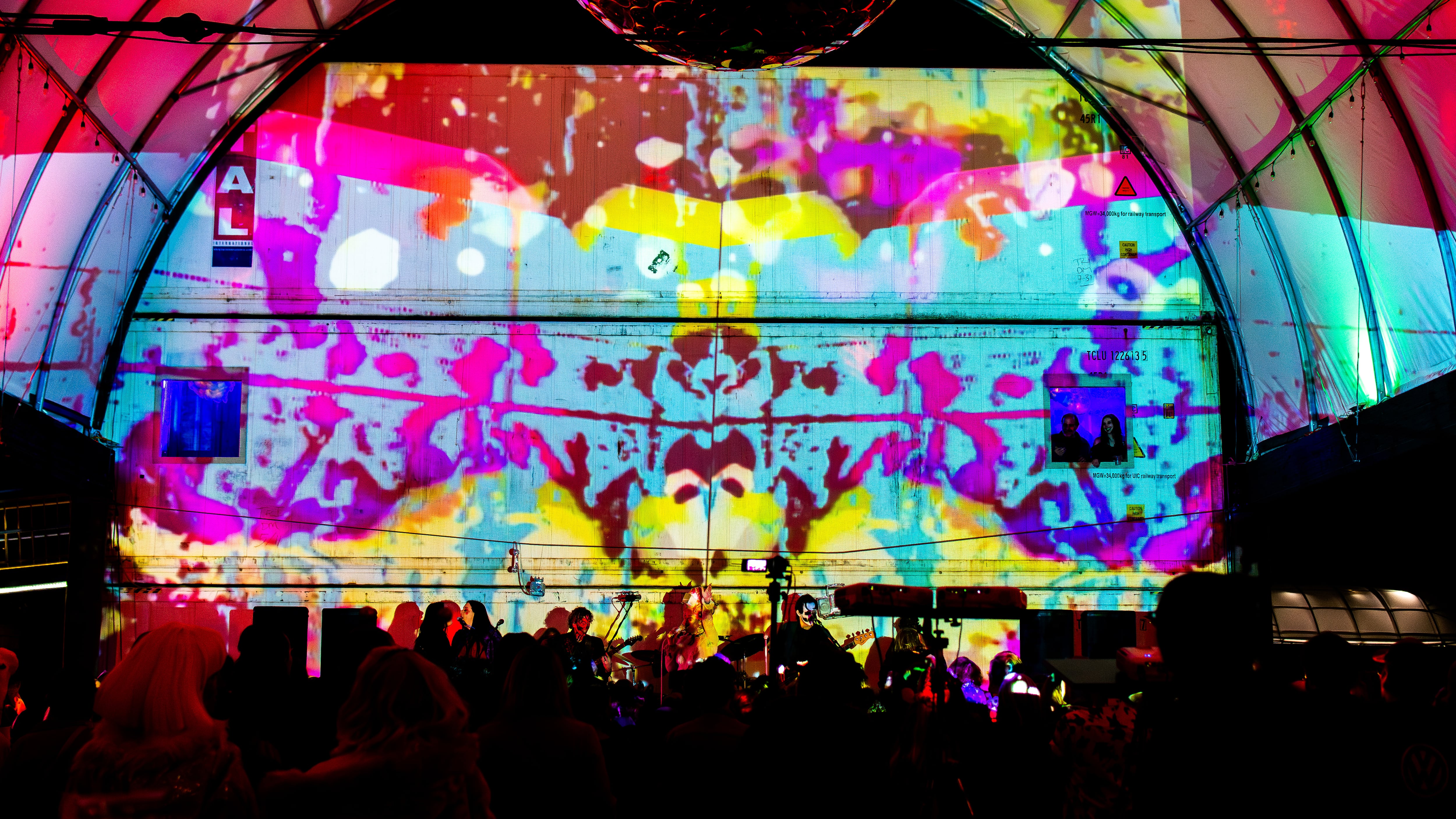
Location: North of St. Johns Bridge, 8940 N Bradford St.
Amenities: Gardens, art studios, a ceramics kiln yard, an amphitheater, a 1947 Army tugboat named Captain Bob
Champions: Green Anchors PDX
Last June, in-the-know revelers gathered at a riverfront arts hub in St. Johns for a two-night music festival to celebrate the summer solstice. Fairy lights crisscrossed over the gardens, and a green disco ball hung above the dance floor as three bands per night took the stage.
The “Soulstice” festival in June was not a likely fate for this 7-acre industrial park on the banks of the Willamette River—nor was the queer disco party in July or the flamenco dance show in September. But in the summer of 2025, Green Anchors emerged as the secret, crunchy North Portland cousin to more established outdoor venues like McMenamins Edgefield in Troutdale.
The property is called Green Anchors, and these shows were about 14 years in the making.
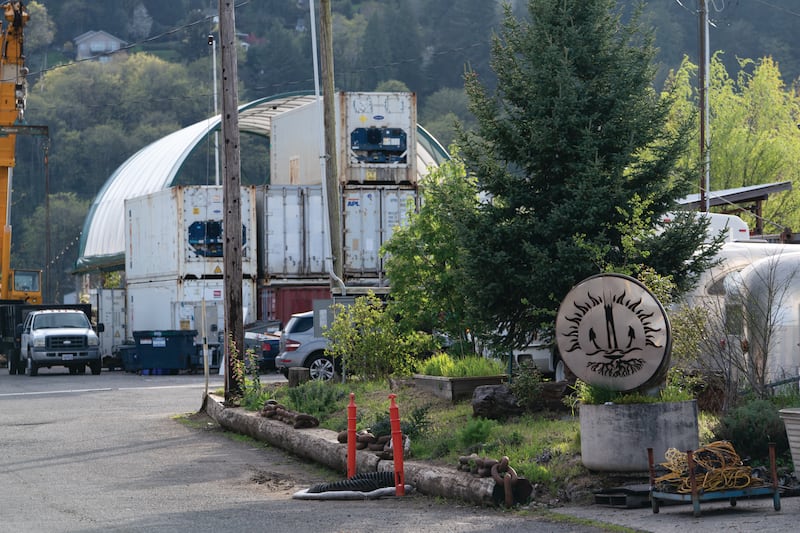
That’s when Portland cousins Mark Fisher and Matt Stein started leasing the property, a former shipyard once owned by the Brix Maritime Company. Fisher wrote a letter to the Brix family asking if he could set up a small mill at the then-unused property. That enterprise didn’t last, but the project, which is now an LLC with a fledgling nonprofit component, was in motion: “The natural gravity of it was that we started to attract a bunch of interesting people,” says Fisher, who is general manager.
People started to lease the land to build tiny houses, display large sculptural art pieces, keep bees, or headquarter their environmental nonprofit organizations. A “Love” sign on Green Anchors’ pier, just downstream from the St. Johns Bridge, is a beacon visible from both sides of the river.
But it’s a complicated property to manage because it’s part of the Portland Harbor Superfund site. Green Anchors is a remediated brownfield with a “no further action” letter from the Department of Environmental Quality, Fisher says. But everything that he wants to do—protect from erosion, improve river access and education, build more elements of an artists’ Shangri-La—is more expensive and requires more government agencies than a non-Superfund property.
“There’s no super fund in Superfund. And it’s not super fun, either,” Fisher says.
But he plugs along, despite the fact that costs often chew up profits and many in his family think he’s nuts.
“There are probably things that I can do that are much more enriching, financially, but it’s actually developed a heart,” Fisher says. “I want to bring it to the highest level of fruition I can.”
Chance this will ever happen: 10
It’s already happening.