Skip to main content
A recent Oregon Values and Beliefs Center poll showed that prospective voters expressed the least amount of trust in the Multnomah County Board of Commissioners out of all local governments.
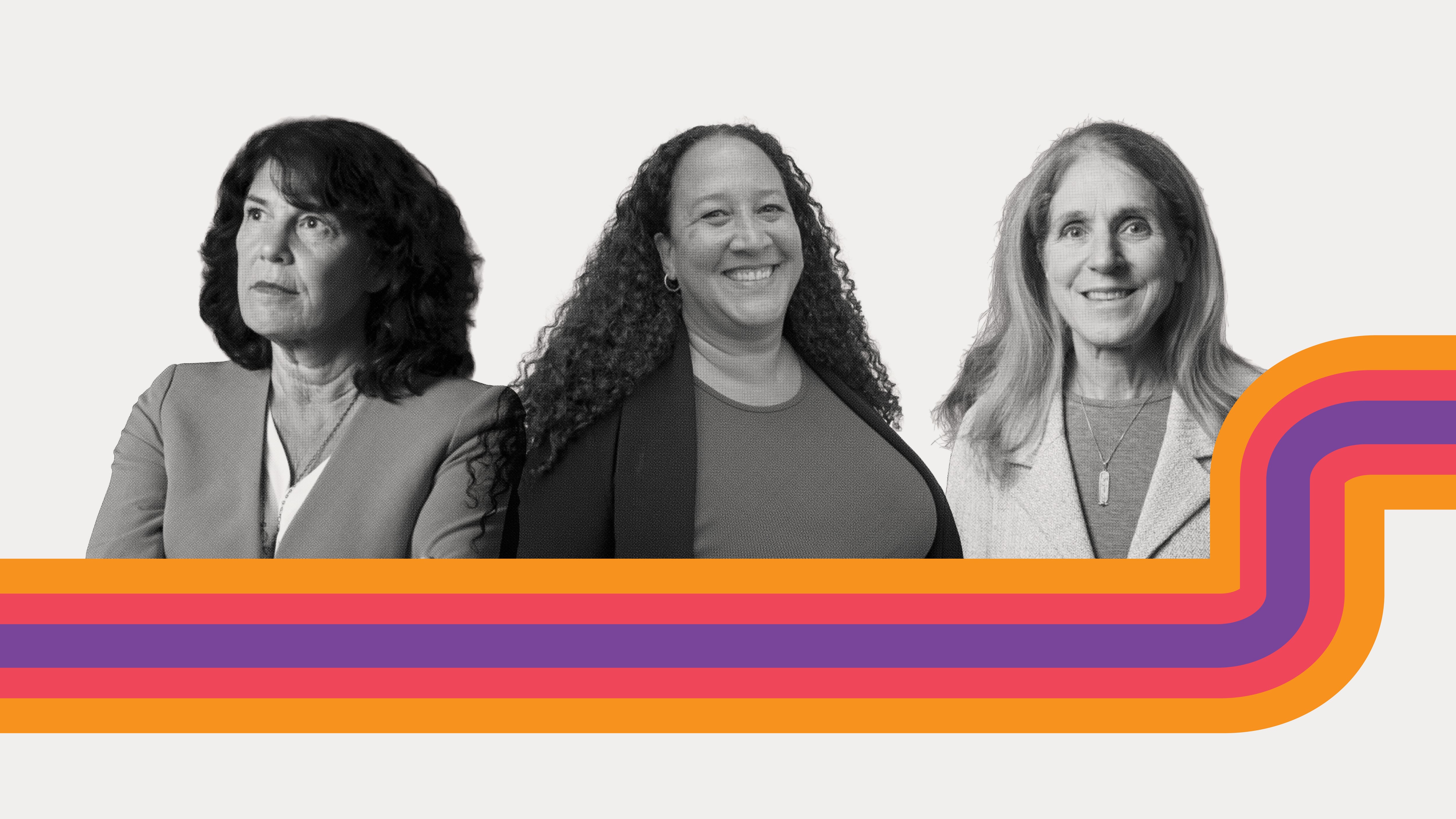
Three candidates running for county chair this November are trying to change that. The board’s agenda is set by the county chair, and the current chair, Jessica Vega Pederson, isn’t running for reelection. The race to succeed her is one of this fall’s fieriest, pitting three current and former county commissioners against each other.
For many voters, homelessness remains top of mind. The metro area’s annual point-in-time count suggests homelessness is getting worse, despite the county spending some $150 million in Supportive Housing Services tax dollars a year on the problem since 2021. How such a large trough of taxpayer dollars can make so little progress in addressing the issue continues to baffle voters.
And detractors of the county’s stewardship of SHS funds need not look far for a negative example: In June, county officials sent a letter to the homeless services nonprofit Sunstone Way, alleging it had billed the county $3.6 million in unallowable expenses since 2024 for everything from fringe benefits to staff outings at TopGolf and Paddy’s Bar and Grill. The nonprofit, a major recipient of SHS dollars through the county, has since shut down.
So when the three county chair hopefuls came into WW’s office last week for an endorsement interview, we asked what went wrong with the county’s oversight of the Sunstone Way contract and what accountability measures should have prevented it.
Here’s what each had to say. Answers have been condensed for brevity and clarity.
Shannon Singleton: “There was an overspend of Sunstone Way at one point where we actually did find that as part of our fiscal monitoring prior to the auditor’s findings. That is something that I think needs to happen more universally. The way it’s been explained to me is that currently, the homeless services department kind of does [fiscal monitoring] more as a spot check, and different people get it at different times. I think that should be more robust so there is regular monitoring of their spending.
“On the accountability component, I think accountability comes around outcomes. We’ve had contractors who aren’t meeting their outcome goals, and I think we need to really talk about that, and if they’re not able to meet the goals, do we decrease the amount that they’re getting and change who gets that money?
“Generally, it has not been the practice [to adjust how much we give a nonprofit if they continually underperform]. It’s something that we did when I was at the city. I ended contracts with folks who weren’t performing, and people didn’t love it, but it doesn’t mean that we keep funding a nonprofit who is not producing the outcomes that we need. We have to get past the Portland nice and be willing to have hard conversations about accountability, and we have to move on from folks if it’s something that’s not working.”
Sharon Meieran: “I think this is an example of where we’re just not even asking the right questions about what is leading our county into failure, because if we focus on individual contracts, we will just continue to manage decline. It is our systems that aren’t working, so even if Sunstone Way had done everything right and fulfilled that contract and was great, we wouldn’t be able to show that a single person got stable housing, that they were successful in treatment, etc.
“There has to be an overarching reform of how the county contracts, that accounts for how we are not just administering each contract, which needs to be done differently, but also how we are setting shared metrics. How we are saying what are the things that matter and one of the most crucial components of my plan is tying spending to results. That is not just at the department level, it is on the individual contracting level.”
Julia Brim-Edwards: “The county migrated their contracts to an enterprise contract management system. I had a budget note that directed that the outcomes actually needed to be put into the enterprise contract management system because frankly, even though there was a tool to do that in the system, they weren’t doing that. So right now that’s happening.
“In January, we should be able to go through all the county contracts and see what the outcomes are and be able to tell, first of all, whether there are outcomes, which I think will be a very interesting question, and second, whether providers or contractors are actually meeting their outcomes, so you can do better contract management.
“During this last budget cycle, this is something that I put forward, that the commission supported, is having a very different performance and financial compliance regime for what would be considered higher-risk contractors. So, for example, contractors who all their business is with a county or they had previous cash flow issues or, in this case, previous spending issues. Having a sort of tighter, more rigorous look at the contracts that we know are higher risk is really important because then you don’t have—[Sunstone Way] was somewhat predictable.”