Skip to main content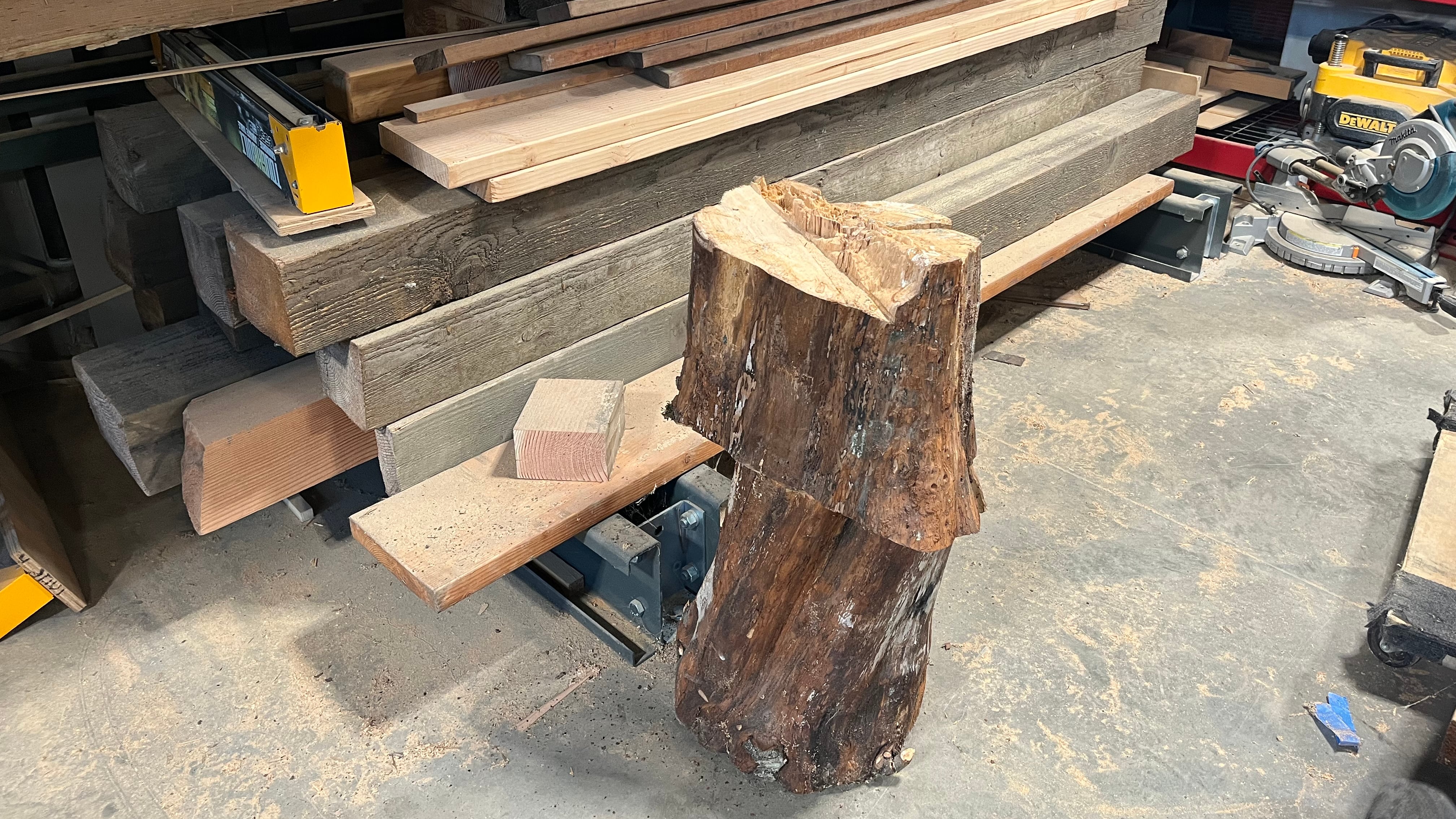
In early 2024, a severe ice storm knocked down several large old trees that ultimately crushed the picnic structure at Mt. Tabor Park. What was done with the timber from the downed trees? Did the parks bureau mill it to build the new picnic structure currently under construction? If not, what happened to all that lumber? —Tabor Tree Hugger
As someone who not only writes for a newspaper, but whose column actually appears in the section of that newspaper called, specifically, “News,” I’ve noticed that editors get weirdly judgy about questions received in late 2026 that begin with “in early 2024.” Such articles (they whine) don’t crackle with that ripped-from-tomorrow’s-headlines urgency so prized by the Pulitzer committee. Luckily for you and me, Hugger, that Mt. Tabor picnic structure is still being built—that gives us a fig leaf of timeliness to hide behind (though not one large enough to wear safely within 1,000 feet of a school).
The most common fate for city-owned trees felled by storms or removed for safety reasons is the same as that of Steve Buscemi in Fargo: They’re fed into a wood chipper and turned into bark-o-mulch. In this case, however, Portland Parks & Recreation actually did consider using lumber from the Tabor trees to rebuild the picnic structure, just as you suggested. This would have been exactly the kind of cute yet practical gesture Portland used to be famous for before everyone started hating us.
Unfortunately, the wood from the downed trees turned out to be unsuitable for construction due to cracking and other flaws. At least some of the trees were still milled into lumber, however. Some of the resulting boards have already been made into shelving for PP&R’s carpentry shop; the rest are stockpiled for use in future projects, possibly including baseball dugout benches in various Portland parks.
You might think that’s about as high as a public-property tree could expect to rise in life—but maybe not. Earlier this year, the Urban Forestry division’s Heritage Tree program announced the disposition of the American elm designated Heritage Tree #1 (basically, the George Washington of Portland trees).
Removed “due to irreversible decline” in 2024, the 150-year-old tree’s lumber was carefully milled, painstakingly kiln-dried and lovingly fashioned into remembrances to be dispersed around the city. These include a 4-foot cross section for the Oregon Historical Society and an ongoing series of handcrafted benches, which will eventually be displayed at each of the city’s community centers like relics of the One True Cross. All I can say is, my afterlife should be so glamorous.
Questions? Send them to dr.know@wweek.com.