Skip to main content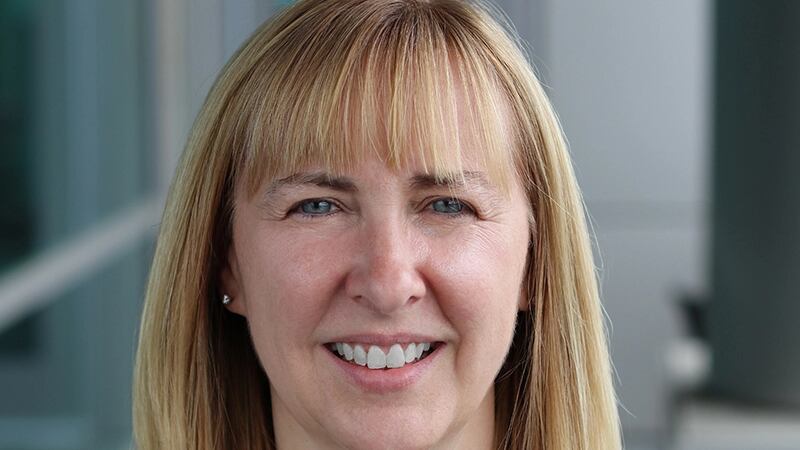
As WW recently reported, many low income Portlanders have lost a key pathway to Providence health system specialists—the result of a Medicaid insurance network change that went into effect this month.
CareOregon, which runs the affected plan, says its broader provider network is adequate to absorb the changes.
Some have doubts, however, and warn longer wait times could loom.
In a recent interview with WW, Providence Oregon CEO Jennifer Burrows suggested the health system and the insurer could reverse course or modify the arrangement if in fact the CareOregon insurance network gets jammed up.
“We’ve agreed with CareOregon to have a new conversation if they in fact are feeling like they are struggling with network adequacy,” she tells WW.
CareOregon runs what is easily the largest Medicaid plan in the Portland area. It’s members generally got referred to federally qualified health centers for primary care, but in the past, if members of that plan needed to see a neurologist, an oncologist, a psychiatrist or one of another range of specialists, Providence’s large network was part of their universe of options, alongside specialists from other outfits like Legacy Health and Oregon Health & Science University.
On Feb. 15, new referrals to most of these Providence specialists were no longer an option for the plan’s 200,000-plus members—the latest sign of how financial strain and rising costs in the health care space could effect Portlanders access to health care.
Burrows notes that certain carveouts remained for members of the affected CareOregon plan. Members can still get immediate care at Providence hospitals and urgent care. Certain old referral paths remain open (to Providence OB-GYNs and pediatricians, for example), and CareOregon Medicaid patients who are already seeing a Providence specialist can keep doing so.
But generally, if the 200,000-plus CareOregon Oregon Health Plan members around Portland need to get referred to a specialist, they will have to seek that care elsewhere.
“We know that it has impact on some people,” Burrows said, adding that “we’ve got a plan to make sure that that no person is currently in care gets their care interrupted.”
She also pointed out that Providence specialists remain open to referrals for the 60,000 or so Portland area Medicaid members on Providence’s own in-house insurance plan. (Kaiser Permanente and OHSU also have their smaller scale Medicaid plans; Legacy Health’s version of the plan folded into CareOregon last year).
Burrows said the network change was a “joint decision” with CareOregon, as the entities seek to deliver high quality services to Oregonians more efficiently.
“As we worked with CareOregon, they felt like they had a large enough network of specialty care without our Providence specialists, that they would be able to meet the needs of their members,” Burrows said. “We talked back and forth many times, we shared a lot of data. There were places they were worried about network adequacy. And those are the places that we have kept open.”