Skip to main content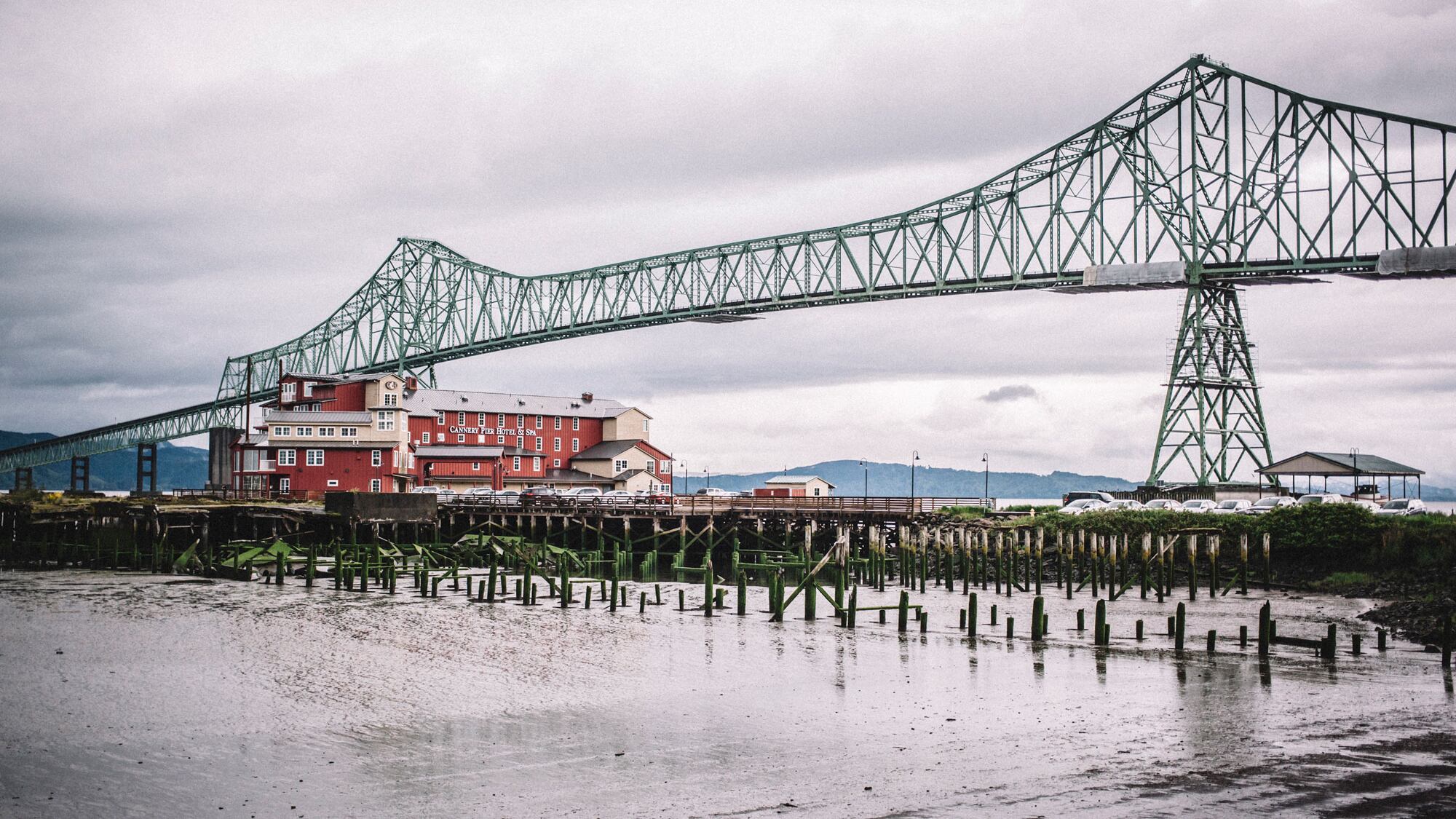
The majority of the state’s beaches are closed to clam digging due to high levels of biotoxins.
According to the Oregon Department of Agriculture, razor clams have been found with hazardous levels of domoic acid on beaches as far north as Astoria all the way down to Florence.
Domoic acid is produced by algae and can accumulate in razor clam tissue when the mollusks filter feed. The neurotoxin is poisonous to humans and, if consumed, can cause illness and even death.
It’s not uncommon for Oregon’s razor clams to end up with high concentrations of domoic acid during fall and winter. Usually, the threat dissipates in spring and summer, when there’s more food for clams to feast on and the bivalves grow in size. This past year, however, a stall in ocean currents led to record high toxin levels.
Razor clam harvesting recently opened on beaches from the south jetty of the Siuslaw River down to the California border. Recreational harvesting of mussels, bay clams, crabs and scallops is currently open all along Oregon’s coastline.