 Skip to main content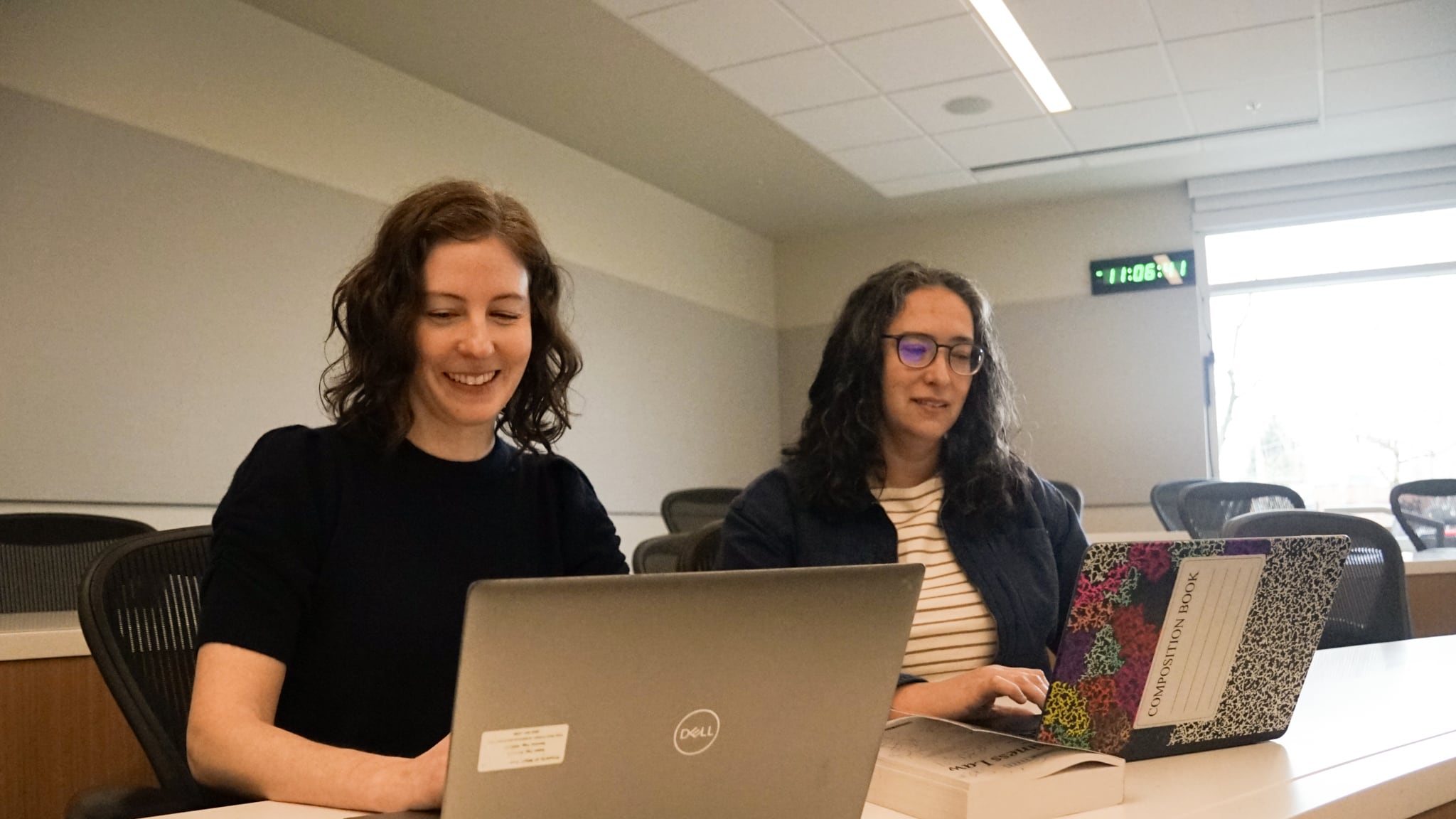
For years, many have associated Executive MBA programs with a particular image—finance-heavy, jargon-forward, and defined by a narrow archetype of who they are meant for.
Inside the University of Oregon’s Portland-based Executive MBA program, the cohort looks different: scientists, teachers, board members, parents. Professionals established in their fields—some stepping into bigger leadership roles, others reimagining what comes next. The common thread isn’t industry. It’s growth.
We spoke with two current students who once questioned whether they belonged, and discovered the biggest hurdle wasn’t ability. It was their own assumptions about themselves.
“I Didn’t Think I Was the MBA Type”
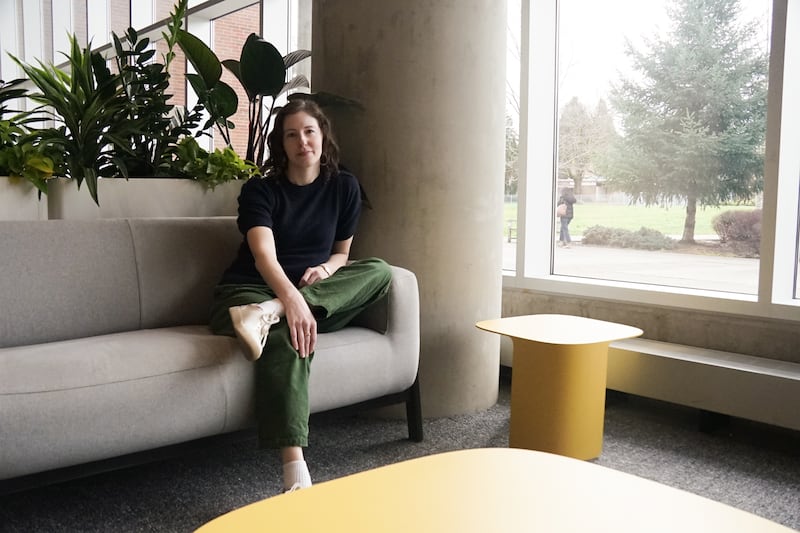
Jessica Glenn, 40, is an environmental scientist who’s spent her career as a consultant leading environmental cleanups. An MBA wasn’t an obvious next step, and at first, she wasn’t sure it was meant for someone like her.
As she gained experience, she moved into project management roles for large projects. In those roles she learned that she had a passion for team management and solving complex problems. She also always knew she wanted to pursue a master’s degree.
WW: So, why the University of Oregon’s Executive MBA program in Portland, and how has it benefited your life so far?
Jessica Glenn: The idea sparked when a colleague mentioned the idea. It was a joke at the time. But it stuck. An MBA seemed like a way for me to better understand my clients, be a better project manager, and learn new things. I wanted a challenge. What I’m learning has helped me understand the business more deeply. I’m asking better questions and adding more value. The program is also great because it’s in person. I’ve met a lot of really interesting and intelligent people who have helped me grow both professionally and personally.
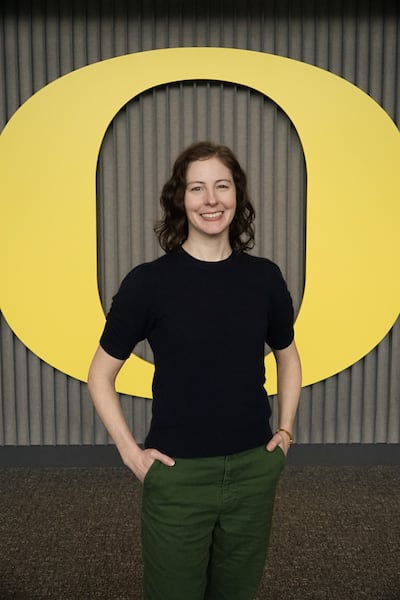
Were there any surprises upon entering the program? The first day of the program you do headshots, so everybody is meeting each other while wearing business professional clothing. It was intimidating! But once I started talking to people I very quickly realized we were all nervous but had similar goals: to learn and grow.
What would you say to women who may not see themselves as the “MBA type,” but could benefit from the experience?
I didn’t think I was the MBA type at all. I am a scientist and felt like I would be a fish out of water. But everybody is coming from a different background and entered this program to grow in their own way. I also worried I wouldn’t have a strong enough foundation of knowledge and that wasn’t true at all. Everybody has their own experiences and knowledge in certain areas, and it was a really great space to learn from both the professors and each other.
What advice would you give to women starting their first year in the program?
Connect with people, especially other women. While the academic program is obviously important, connecting with people going through the same thing is what made it so fun. And even though you’re already spending 50% of your weekends with classmates, I found connecting outside of class was the most impactful.
What are you doing for your capstone project?
Designing a sauna/cold plunge business. I love going to spas with a sauna/cold plunge and it seems to be a growing market. It’s not a business I will be starting anytime soon, but it’s a fun research project!
Graduation is this spring. What does post-MBA life look like for you, career-wise? Are you working toward a career pivot, or is your goal to continue growing in your current field of work?
I plan to continue growing in my current field. I have learned a lot that I’m already applying to my day-to-day work, but this program has also helped me get clear about where I want to take my career. I am very lucky to work at a company that supports my growth and intend to continue growing there.
“If That Stops You, We Stay the Minority”
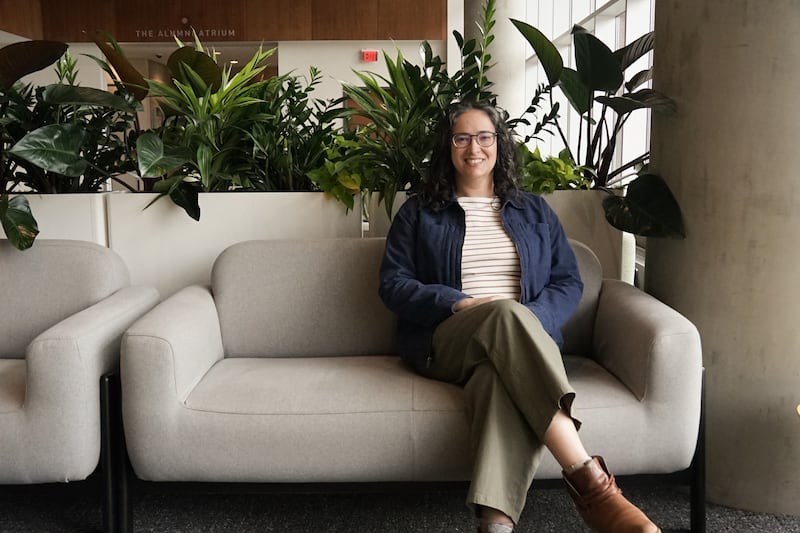
Rachel Clare Naber, 40, studied Planetary Science in her undergrad; after graduation she worked with University of Washington’s Student Athlete Academic Services. This led to her returning to University of Oregon to obtain a master’s degree in Curriculum and Teaching.
Subsequently, she spent years teaching physics across the Pacific Northwest. She loved making complex material accessible, but after the pandemic—and with a young child at home—her priorities shifted.
WW: What made you decide to pursue an MBA degree, and how has it benefited your life so far?
Rachel Clare Naber: I was feeling directionless, trying to understand what I wanted versus what I needed, while also balancing what the people around me needed. With the help of some awesome friends, I was able to give myself some time to get my family life in order. I tried to identify what I loved about teaching and what was getting in my way. It helped that an MBA had always been at the back of my mind.
Were there any surprises upon entering the program?
I’m pretty sure over half the cohort had imposters syndrome for the first two semesters. It was easy to feel out of place at first. Because it is an executive program, everyone in the cohort has experience in some form of business so my classroom experience was unconventional. The biggest surprise has been the awesomeness of my cohort. I feel very fortunate that I landed in this program with this group of people, it has made the whole experience worthwhile.
What would you say to women who may not see themselves as the “MBA type,” but could benefit from the experience?
Do it if you want to do it. You will likely be in the minority but if that stops you from getting the degree then we will continue to be the minority.
Having this community can help when you face external gender-related hurdles. You will have your team, professors and a capstone advisor to bounce ideas off of and receive support from.
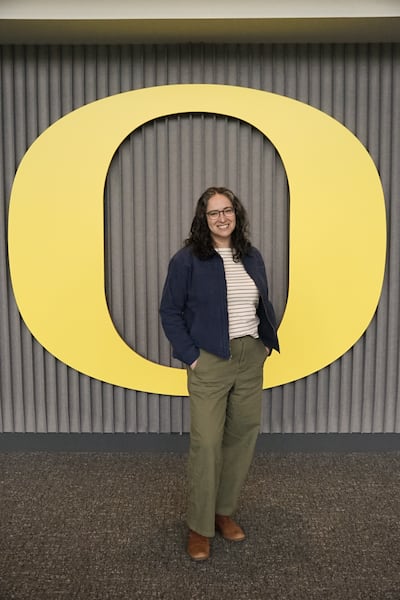
What advice would you give to women starting their first year in the program?
Be reasonable with yourself. You will be asked to do a lot, make sure you are getting what you need out of the program and from your peers. Speak up if something doesn’t feel right. The program directors and staff are the best.
What are you doing for your capstone project?
I am working with OMSI, which is a dream come true, helping to build out its teen programming, which includes a dual-credit course on campus. Students would be eligible to earn both high school and college credit while learning about a specific career pathway. I have been collecting data from my old stomping grounds about student needs, school gaps and district policy as well as reaching out to potential corporate partners in the hopes of arranging future internships.
Graduation is this spring. What does post-MBA life look like for you, career-wise? Are you working toward a career pivot, or is your goal to continue growing in your current field of work?
I am keeping my eyes peeled for ways to apply the content from my courses to help public education and students find the points of contact that will help them engage academically and plan for post graduation. My capstone project with OMSI has been a great example of the work I hope to be a part of.
Beyond the MBA Archetype
Glenn and Naber illustrate a simple truth: inside the University of Oregon’s Executive MBA program, growth doesn’t require a finance background or a perfectly linear career. It requires curiosity, discipline, and a willingness to ask bigger questions about your work and its impact.
For professionals who have ever thought the program wouldn’t help them, it might be time to ask: Why not try?
