Skip to main content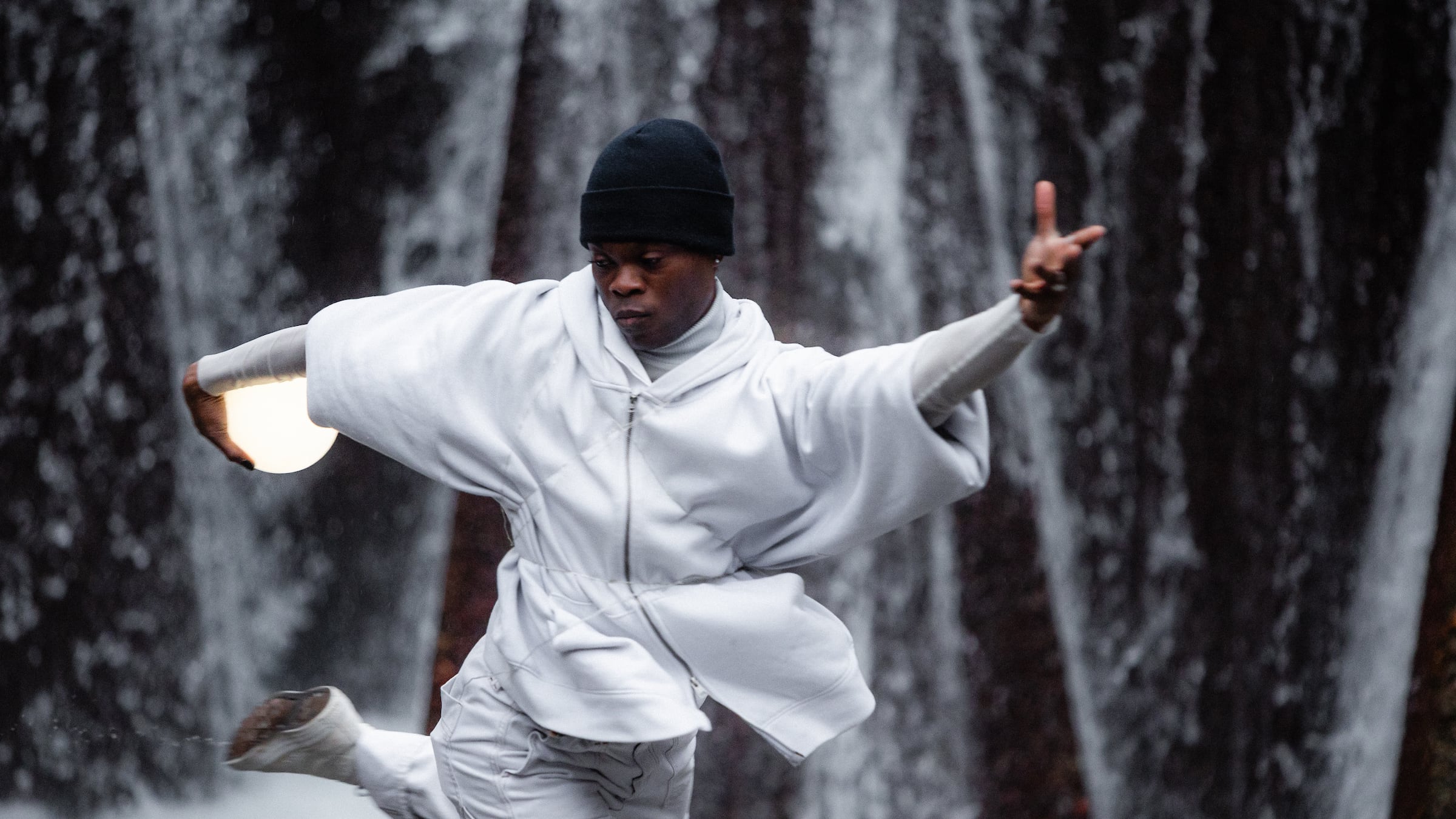
Even the most novice of cinephiles can attest: Dance has always been important to cinematic history, from Gentlemen Prefer Blondes to Magic Mike; framing how the body moves as art is as captivating for directors and performers as it is for audiences. In film, dancers do more than represent themselves: Whether demonstrating the work of choreographers or preserving cultural history, movement is so often crucial to the plot, if not the whole plot. Award-winning dancer Heidi Duckler asserts they are also an access point for community art appreciation and connection.
Heidi Duckler Dance Northwest, a contemporary dance organization run by its namesake, will host Let’s Screen Dance, a new film festival on Saturday, Feb. 7, for dance movies and other dance-focused cinematic projects like experimental film. Let’s Screen Dance aims not just to celebrate the motion in motion pictures—or the people who make it happen, like independent dancers, filmmakers, artists and curious art aficionados—but to start conversations among strangers.
“Dance films can be so many different things: animated, documentary, silent—we all dance, we’re born moving,” Duckler tells WW. “It’s not a category, really. It’s a new kind of experimentation.”
Heidi Duckler Dance was founded in Los Angeles in 1985, with its Northwest branch operating since 2010. Duckler graduated from UCLA studying choreography and University of Oregon studying dance, and also studied at Reed College. She specialized early in site-specific performances, having celebrated 40 years as a company last year. Duckler won an American Masterpieces award from the National Endowment for the Arts in 2010 for her 1988 performance piece Laundromatinee contemplating laundromats’ roles in different communities.
Aside from being instrumental in her field, Duckler’s own dance film Mother/Other was selected as Best Experimental Film at the 2024 Cannes Arts Festival. It stands to reason a micro-film festival would be on Duckler’s 2026 bingo card, especially one that seeks to draw in and disarm her community.
Let’s Screen Dance aims to present that experimental crossroads, but the impetus is more than an exploration of where choreography meets camera. Duckler hopes to entice a wide range of participants, from established creators to phone-forward novices, all submitting short works that explore movement as cinematic language (the festival’s film submission deadline closed at WW’s press deadline, with selected entrants to be notified Jan. 31). HDNW will show some of its recorded performances, including Inhabitants of this DREAM, a group dance recorded at the Ira Keller Fountain in downtown Portland.
“How we express ourselves through our bodies, there’s just so many ways of interpreting that,” Duckler says. “I love how filmmakers can broaden the conversation.”
Rather than just showing a block of movies, Duckler hopes Let’s Screen Dance builds camaraderie in the screening room. “We see films in theaters, but we don’t have time to talk about what we just saw,” Duckler says. But the talking is the point here. And the venue—My Voice Music, an intimate, intergenerational music space on Southeast Stark Street between Mall 205 and Southeast 82nd Avenue—fosters precisely the kind of post-screening chatter Duckler is aiming for. Under the experimental conversation lies something more urgent: community.
Heidi Duckler Dance Northwest has spent the past few years working with immigrants and underresourced neighborhoods. There’s a quiet seriousness to Duckler’s assertion that small gatherings can hold tremendous weight.
“There’s a lot of fear right now…small sparks of joy, that’s the goal for 2026,” she says. “It’s about continuity, resilience and being in a room together when it feels easier not to leave the house.”
Since Let’s Screen Dance will include Jury and Audience Choice awards, Duckler’s film festival format prioritizes discussion, audience engagement, and collective viewing rather than passive consumption, offering an accessible platform for creative risk-taking, visibility, and cross-disciplinary experimentation. While this inaugural edition is intimate, with a seating capacity under 50, the vision is expansive. Future screenings could pop up anywhere, Duckler imagines, with showings occurring on truck beds, in parking lots, possibly even at your favorite restaurants. She imagines events like this thriving wherever both bodies and images can activate a space, which is on-brand for a site-specific dance company that never needs a traditional stage to begin with.
“I think there’s a lot of potential for expanding it into different venues and places and experiences once we get it going,” Duckler says. “The arts are really important right now, that self-expression and the ability to really say how we feel, that’s really important…You don’t need to rent a theater. You don’t need to have big productions. You can just do things on the ground, and you can just keep things community centered. What saves us is community.”
SEE IT: Let’s Screen Dance at My Voice Music, 8911 SE Stark St., heididucklernorthwest.org. 5 pm Saturday, Feb. 7. Free.