Skip to main content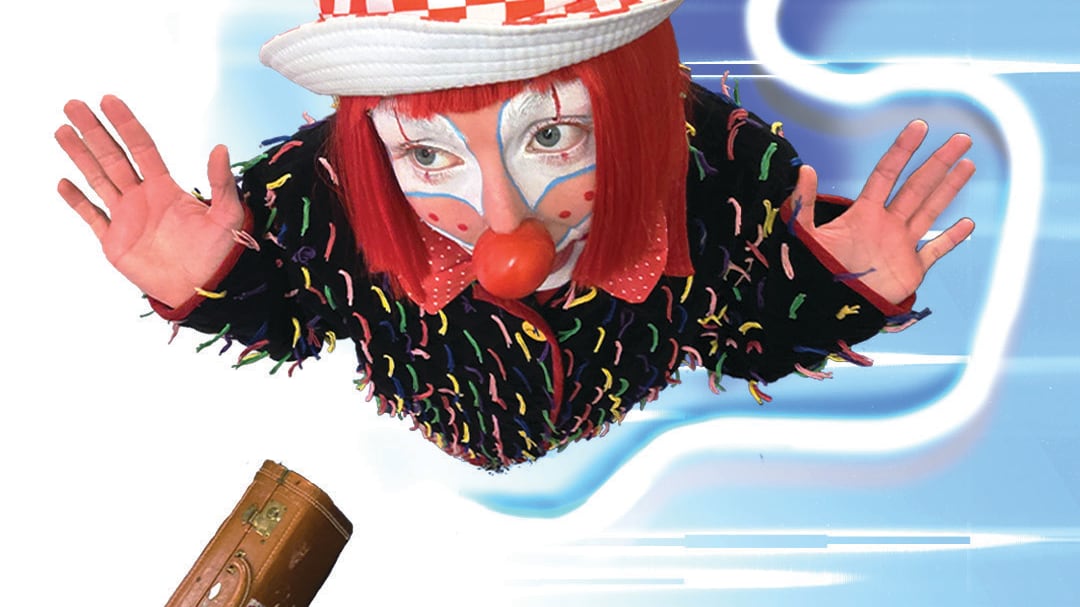
Quinn Richards likes to say she got an unofficial clown degree. While studying graphic design at Portland State University, she produced a book of archival images of clowns in Oregon throughout the 20th century and an impressively thorough website on the art of clowning, clownspam.com, from rodeo to hospital to protest. In conversation, Richards, whose nom de clown is Quinn the Clown (instagram.com/quinntheqlown), comes off like a true academic, rattling off bits of jester and harlequin trivia: how clown makeup emerged to make facial expressions onstage visible to distant audiences; how clowns really only got scary in the 1980s (John Wayne Gacy, Pennywise); how nearly every culture has a fool archetype.
Richards got serious about clowning in the past few years. Her main gig is hosting a weekly bingo night at the clown-themed bar Creepy’s. She approaches the art form with a blend of deep historical knowledge and radical politics. Clowning’s acceptance of the absurdity and incomprehensibility of the world reads political to Richards, just like the Dada art movement that used the avant-garde as a protest against the atrocities of World War I. Clownery is also inherently anarchic: “Historically, the jester was the only one who could mock the king.”
One of Richards’ characters is a reincarnated Marie Antoinette who has returned from the dead to advocate for a new peasant uprising because billionaires have gotten so out of hand. Another is one of Santa’s elves who complains about unfair labor practices (“I work 365 days a year and Santa Claus only works one day a year!”) and tries to recruit members to her elf labor union. Richards tells WW, “I definitely try to encourage people to find the power within themselves to rebel against these systems of oppression that we live in.”
See the rest of Willamette Week’s Best of Portland 2026 here!