Skip to main content
Liz Harris’ music, which she often releases under the name Grouper, is so foggy and untethered that it takes a while to realize how much of it is basically pop. The Astoria artist first came to many people’s attention with “Heavy Water/I’d Rather Be Sleeping,” an ambient-folk classic from 2008’s Dragging a Dead Deer Up a Hill. The track is matted with processed guitar and smeared vocal harmonies. But under all that is a central hook waiting to sneak up on you.
Helen, Harris’ collaboration with drummer Jed Bindemann and bass guitarist Scott Simmons, both of whom live in Portland, is where her pop chops shine most strongly. When tethered to a rock rhythm section, her gauzy guitar swells make a remarkable approximation of late-’80s dream pop and early-’90s shoegaze, but with the Englishness sanded down and replaced by a very Northwestern sense of cowering in the face of nature. The songs on Helen’s 2015 debut, The Original Faces, seemed burdened by the weight of the sky rumbling above them.
Over a decade later, Helen returns with Linda’s Head, out Oct. 2 from the venerable indie label Kranky. The new record is a little less blistering and a lot more stripped down—less reminiscent of shoegazers like Flying Saucer Attack than the snowed-in bedroom pop Kathleen Hanna made as the Julie Ruin, or that Julie Doiron made with Eric’s Trip. The band’s dynamic, however, hasn’t changed much across 10 years. Bindemann and Simmons continue to lend Harris’ sound heft and momentum, but this is not a band with any sense of conviviality, and the feeling is deeply solitary.
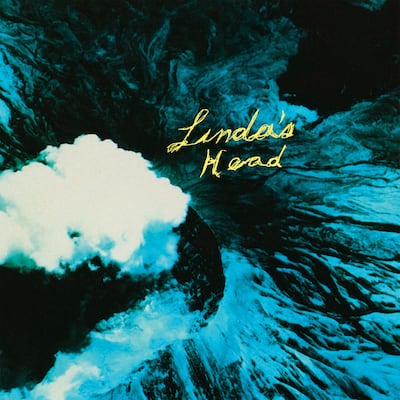
Harris has always done curious things with the sequencing of her albums: sandwiching the solitary piano pieces on the 2014 Grouper album Ruins between two dark and cryptic ambient tracks, allowing new recordings and ones from decades ago to barge into each other on Shade, another Grouper album from 2021. With Linda’s Head, Harris manages to fit 10 songs into 32 minutes and still leave room for two sprawling ambient meditations that go on long enough that you might forget what you’re listening to until the next song meanders in.
Opener “Faraway” comes and goes in just over a minute, and most of the others clock out after two minutes. Meanwhile, “Darkblue” cuts a six-minute swath of pure wandering atmosphere across the middle of the record, and the subsequent “Dead Shark I” takes its time wandering out of the shadows. Everything drains into “Canyon,” which allows a circular bassline from Simmons to wander for eight minutes over drumless and dimly lit expanses of guitar drone.
Harris has suggested that the title of the record could refer to a fictional landform out on the Oregon Coast where she spends most of her time, but in truth Linda is part of a trail of mysterious names littered across the Grouper catalog. Harris has recorded some of her strangest and most impenetrable music under the name “Nivhek,” which is almost “Kevin” backwards, and someone named “Helen” is credited on backing vocals on the first Helen album with no indication of who she is or if she exists as anything but a ghostly personification of the band.
Harris’ use of names in her music points to the thing that makes it so bewitching: its balance of intimacy and inscrutability, its way of seeming to be drawn from real life while remaining evasive on anything but the barest specifics. Harris rarely allows lyric sheets along with her releases. It’s up to listeners to work out the syllables—to form their own meanings and interpretations in their heads. I reviewed Shade for Pitchfork, and I confess I did not completely understand it by the time my review was published; five years later, it’s now obvious to me that it’s an album of love songs.
If a song like “Heavy Water/I’d Rather Be Sleeping” hinted at the intimacy of a folk song while withholding the most essential details, Linda’s Head does the same with the alt-rock of the ’90s. Rather than using Oregon gloom as a backdrop for personal angst, Harris lets it penetrate deep into the fabric of her songs like a ripening mold.
Listening to it feels like stepping into an environment rather than listening to a rock band; that’s both the best and worst thing about it. The press material for the first Helen record claimed the group formed as a “thrash band.” After so many blurry folk songs here, you long at times to hear what they might’ve sounded like if they’d stayed on that track, kicking up an elemental ruckus to compete with the waves and the rain rather than simply soaking in them. Still, Linda’s Head is never anything less than achingly gorgeous, and it might just be the perfect thing to bring in the rainy season.
LISTEN: Linda’s Head by Helen on Kranky Records, grouper.bandcamp.com/album/lindas-head. Digital album $9, vinyl $22.