Skip to main content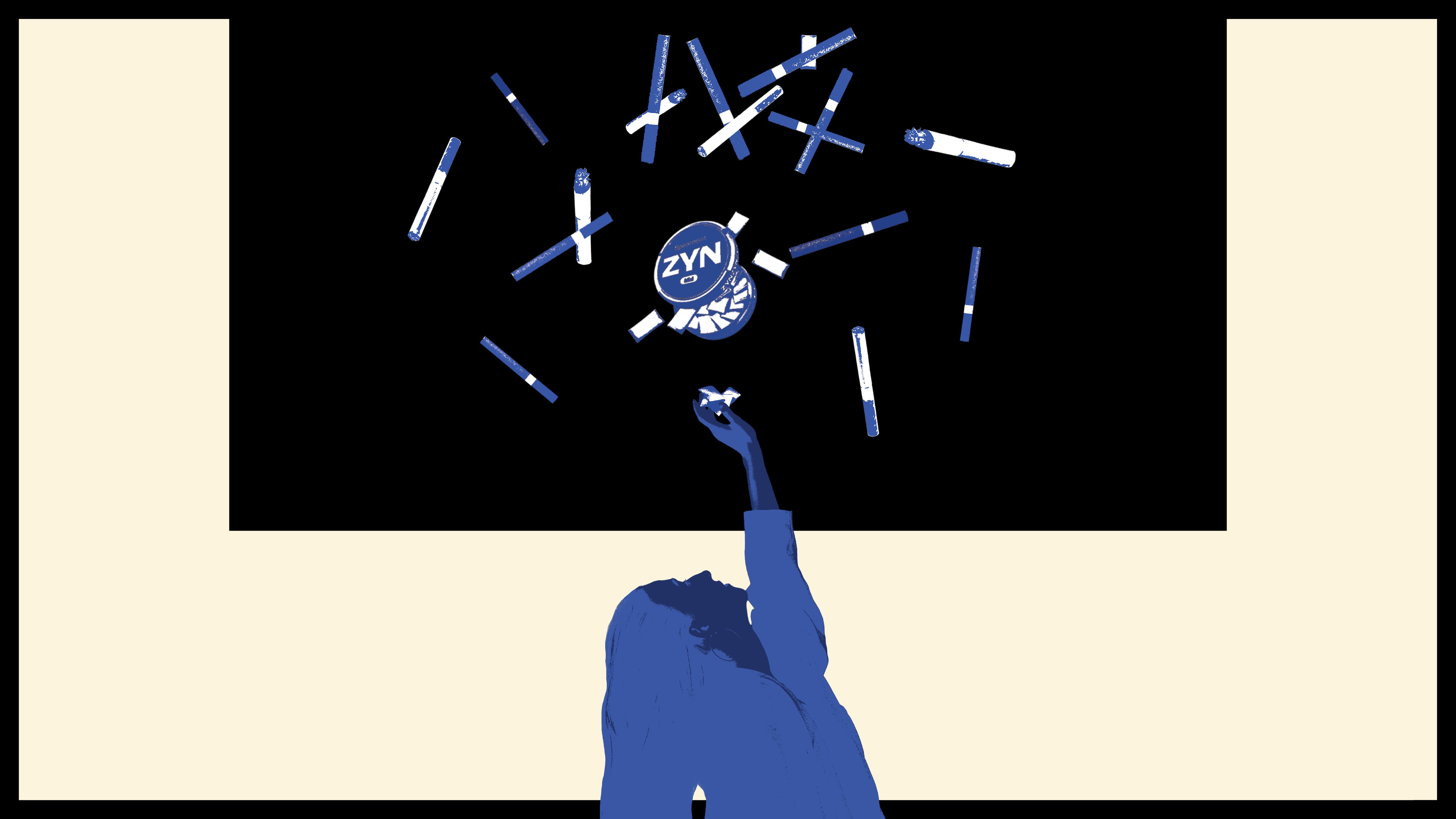
Follow Sandy Olsson around Multnomah County for an afternoon, and you’d be tempted to think, “Wow, that young lady must really need a cigarette.” In that time, she stops at three convenience stores, two bars, and even a hookah lounge, looking for nicotine.
But Olsson isn’t some underage girl getting denied her Marlboro Lights, or ZYN nicotine pouches, or vape cartridges by law-abiding vendors. She’s a 20-year-old college student working for Multnomah County, making sure stores don’t sell tobacco products to anyone under 21.
Olsson (a pseudonym we chose to protect her identity*) is one of a dozen young people who go undercover (hence the pseudonym) every week, taking shifts during high school or college. They always go with an adult, who wanders into a store before them, not letting on that they are a team.
The program is part of Multnomah County’s efforts to curb smoking, the world’s leading cause of preventable death, killing more than 7 million people every year, including an estimated 1.6 million from secondhand smoke, according to the World Health Organization.
Big, scary numbers like that have helped curb the urge to light up in recent decades, but that might be changing: Smoking is on the rise in top-grossing films, and a popular Instagram account shows stars (like Jamie Bower of Stranger Things) blazing darts. That makes Olsson’s work all the more important.
Multnomah County started requiring a license to sell tobacco in 2016, when the legal age to buy was 18. Oregon raised it to 21 in 2018, and the undercover squad went to work.
Before the two-member teams hit the streets, Multnomah County vendors were among the worst for selling tobacco to minors, according to federal inspection data. In the 2015 fiscal year, a third of vendors sold to undercover buyers working for federal agencies. In the year ended June 30, Multnomah County teams tried to buy 860 times, and just 122 vendors, or 14%, handed over tobacco products.
The decline, county health officials say, shows that stores and bars are getting the message. The first violation costs them $500, with mandatory training. Sell to a minor again within five years, and it’s another $500 and a one-month suspension of sales. It gets worse from there.
We wanted to find out what it was like for a minor to go undercover into rugged convenience stores and windowless bars and ask confidently for a pack of American Spirits or some Cool Mint ZYNs, so we sat down with Sandy, a sophomore studying criminology and criminal justice full time at Portland State University. She’s done 100 inspections since starting in September, and nine retailers have sold to her. Answers have been edited for clarity.
WW: How did you become a secret tobacco agent for Multnomah County?
Sandy Olsson: I’m a police cadet, and one of the other police cadets works here, and they recommended me and a few other cadets for the job. So we applied.
What do police cadets do?
It’s volunteer work. You attend an academy for six weeks. They teach you defensive tactics, and you take a course about the law. It’s the basics, like how to drive police cars. After you graduate, you get to help out during events, like City Fair.
As reporters, we sometimes get nervous when we have to call someone who doesn’t want to hear from us. Do you get nervous when you try to buy tobacco?
When I began, yes. Not anymore. I’ve struggled a lot with social anxiety, so when I started I was like, “No, they’re going to get upset with me.” Or, “This is embarrassing.” People are usually really nice about it. They’re understanding, and they just let you know you can’t buy. So I don’t really get nervous anymore. Every once in a while I do, if I go to bars and don’t know what to expect. I joke with the adult inspector. I’m like, “Oh my gosh, there’s a biker gang in there, and they’re going to kick me out.”
We hear it got kind of weird at least once. Is that right?
Yeah. I walked into this business, and they asked for my ID. I gave it to them, and they looked at it and they said I couldn’t buy. My go-to is to just act confused, like, oh, really? But they started lecturing me and raising their voice. They told me to never come back again and just kept repeating that. I went back to the car, and when the adult inspector got in, he told me that as soon as I walked out, the person was trying to rush out of the store after me. The adult inspector stopped them and said, “Hey, what are you doing?”
Does this work help with social anxiety?
Oh, one million percent, yes! It’s rejection therapy. Sometimes when they scan your ID, the machine buzzes really loud, and there are people in line behind you and you’re just humiliated. But you have to pretend like you have no clue.
What do you usually try to buy?
It’s really just up to me. I usually go with ZYNs since I’m not sure how many people my age are getting cigarettes. ZYNs makes more sense. But sometimes businesses only sell cigarettes, so I go with that.
Is one kind of place harder than others for you?
Bars, which are places where I really don’t belong. There’s usually a giant sign that says no minors. I have to ignore it and just prance in. It gets a little embarrassing, but it has helped me so much. I get into a character, I’m like, OK, I’m just doing this for my job. I’m here to just buy. And it helps boost my confidence to be able to do it without looking nervous.
You don’t smoke, do you?
I do not. They had to train me on all the different products. I was like, “OK, how would I order a vape? What different flavors are there?” Sometimes I mix up the names and have to ask again. It’s a whole different language.
*In the 1978 movie version of Grease, a cigarette signifies the transformation of Sandy Olsson (played by Olivia Newton-John) from an innocent high school cheerleader into a rebel who wears leather and smokes.