Skip to main content
A new lawsuit alleges Portland investor Paul Brenneke and one of his companies made increasingly risky, self-dealing business loans and defrauded investors in an attempt to bail out his collection of hospitality brands.
That $5 million lawsuit alleges, among other claims, that Brenneke’s investment company breached contracts with investors, made misrepresentations in quarterly reports, and eventually, two years ago, stopped making redemption payments.
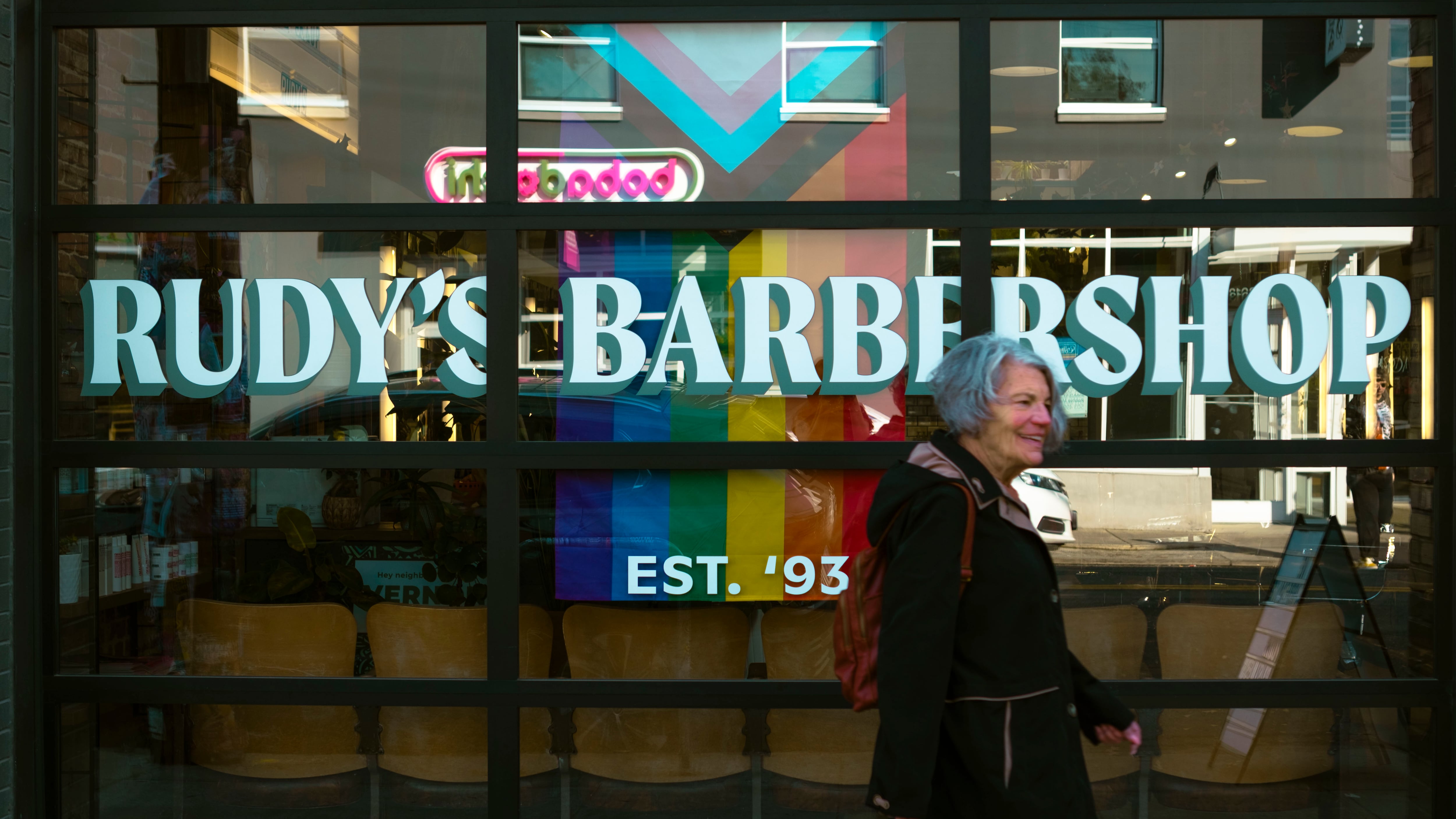
The lawsuit, filed Oct. 2 in Multnomah County Circuit Court, claims Brenneke and his companies improperly diverted money from an investment vehicle called the Sortis Income Fund to finance risky loans to other companies in which Brenneke held an interest. During the pandemic, those companies came to own well-known local brands such as Rudy’s Barbershops, Bamboo Sushi, Sizzle Pie, and Ava Gene’s.
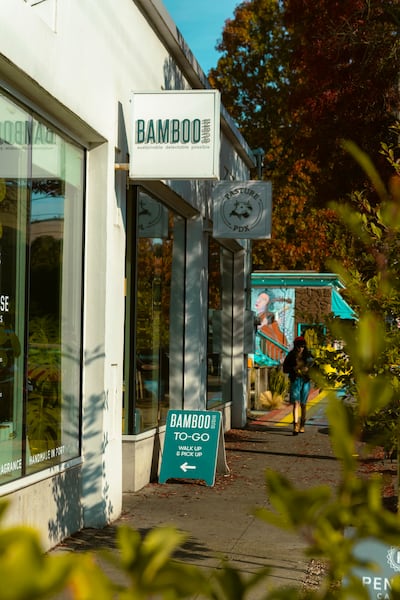
“Defendants marketed the Sortis Income Fund LLC as a conservative, unleveraged real estate fund,” reads the complaint filed by Texas-based Stillwater Portfolio and an individual Texas investor named Raymond Rodgers. “But Paul Brenneke and other defendants have used the Fund as a piggy bank, causing the Fund to make risky loans to Sortis-owned businesses, including Bamboo Sushi and Rudy’s Barbershop. Defendants concealed this fact from investors.”
The lawsuit names Brenneke and three companies—Sortis Income Fund LLC, Sortis Holdings Inc. and Sortis Fund Manager LLC—as defendants. “Mr. Brenneke founded the Sortis family of companies, including the entity defendants in this case, and, at all relevant times, Mr. Brenneke exercised control over those entities, either directly or indirectly,” the lawsuit says.
Brenneke was served with the lawsuit Oct. 22. His attorney in the case, Paul Kisslinger, provided WW with a statement in response to written questions.
“Sortis views this lawsuit as a meritless attempt by Stillwater, a Texas-based money manager holding less than 2% of the fund, to pressure Sortis and interfere with its business while shifting responsibility for Stillwater’s own conduct onto Sortis,” Kisslinger writes. “Stillwater’s allegations recycle disproven claims from a former Sortis manager whom the court enjoined after his sworn testimony contradicted the false allegations raised in the complaint.”
It appears Kisslinger is referring to a previous lawsuit filed in 2024 by Sortis LLC against its former chief financial officer alleging breach of contract. That lawsuit settled earlier this year.
Kisslinger continued: “Like many real estate funds navigating the 2023–2024 interest rate environment, the fund exercised the standard investor-protection provisions governing redemptions in its offering documents to avoid forced asset sales that would harm nonredeeming investors.
“Stillwater contracted to resolve any dispute with Sortis through binding arbitration and disregarded that agreement by filing in court. Sortis will move to enforce the arbitration agreement and will bring counterclaims against Stillwater for Stillwater’s misconduct and violations of Oregon law. Sortis disputes the allegations in full and is confident the record will establish that the claims are legally and factually invalid. Because this is active litigation, Sortis will address the specifics in the appropriate forum.”
The investors’ complaint potentially adds to the financial troubles Brenneke and his companies face. In the past, companies affiliated with Sortis investment vehicles have faced multiple lawsuits from landlords, contractors and other parties alleging unpaid bills. But the new accusations by investors represent a serious escalation.
The complaint alleges that the Sortis Income Fund raised about $180 million from investors beginning in 2016 on the premise that the fund would make loans secured with real estate as collateral—real estate being considered a traditionally stable investment.
In reality, according to the complaint, the Sortis Income Fund in 2020 improperly diverted funds to related parties in the Sortis network, including Rudy’s Barbershop and Sustainable Restaurant Group, which is today the parent company of Bamboo Sushi, Sizzle Pie and Ava Gene’s, among others.
“The managers of the Fund abused their control of the Fund to finance their separate, risky, and speculative business activities,” the lawsuit alleges. “The Fund’s managers caused the Fund to make self-dealing loans to the managers’ affiliates—including restaurant and barbershop companies. These loans were not secured by any interest in real estate and were hidden from investors using generic descriptions that disguised their true nature.”
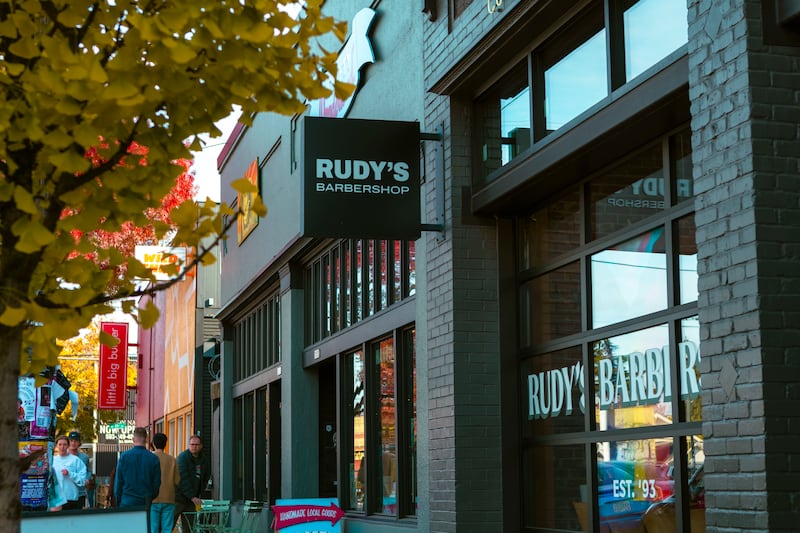
Brenneke, 62, is a longtime Portland real estate developer, investor and founding partner of Sortis Capital and related companies. As the pandemic decimated the hospitality industry, he surprised many in May 2020 by purchasing the chain Rudy’s Barbershop out of bankruptcy. Through his Sortis Holdings, he started to purchase local brands, including through Sustainable Restaurant Group.
But the lawsuit says the Sortis Income Fund’s loans to Rudy’s and SRG were both undisclosed, improper and unsuccessful.
Sortis Income Fund “concealed the nature of the Rudy’s Loan and the SRG Loan from the Fund’s investors,” the lawsuit states. “Neither loan was listed on the ‘loan tape’ in the Fund’s ‘Fourth Quarter 2020 Fund Performance’ report.”
The subsequent quarterly reports contained only slightly more information, according to the lawsuit. They listed the two loans in “Portland, OR,” generically and without identifying the borrower or otherwise distinguishing the loans from typical real estate loans.
The plaintiffs claim the figures in the reports were misleading because they weren’t secured by real estate or based on an independent assessment of value.
Over the ensuing years, and allegedly without telling investors, the Sortis Income Fund allegedly extended the two loans and increased the size of those loans. It did so, the lawsuit says, while concealing the fact that neither Rudy’s nor SRG could repay the loans when due.
It wasn’t until November 2024, the lawsuit alleges, that the fund disclosed that the loans had ballooned to over $10.5 million in SRG’s case and $6.3 million in the case of Rudy’s. (The most recent quarterly report, the lawsuit alleges, shows these loans have since grown by more than $2 million each and now total more than $21 million.)
“The Fund’s managers concealed the nature of the Rudy’s Loan and SRG Loan because those loans did not comply with the representations in the Fund’s offering documents and contradicted the Fund’s stated business plan and purpose,” reads the complaint. “Rather, those loans were part of a scheme to use the Fund to effectuate Sortis Holdings’ separate, risky, business objectives.”
The lawsuit alleges that the fund has not made payments to investors since the first quarter of 2024 but alleges the fund has nonetheless continued to pay its managers 15% performance fees in cash—even on the nonperforming, allegedly improper loans.
“Defendants stopped honoring investors’ redemption requests or paying profits to investors, all while nevertheless paying themselves increased fees as the improper loan balances grew,” the lawsuit states.
The investors seek a return of their capital; replacement of the Sortis Income Fund’s manager; an injunction “prohibiting management defendants from further breaching Oregon law”; and interest and costs to be determined at trial.