Skip to main content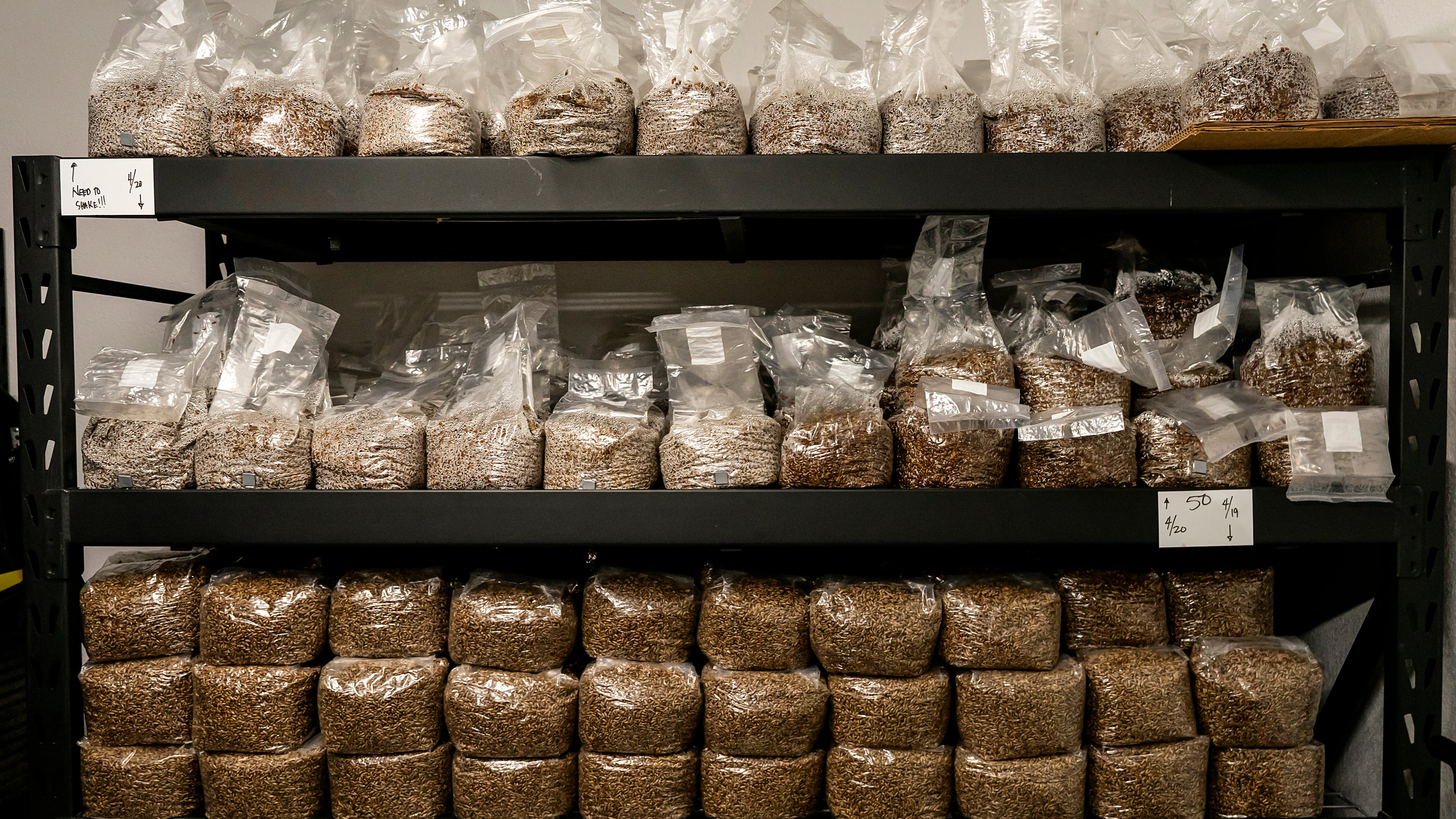
A nonprofit group in recent months has been lobbying city of Portland officials—with some success—to bring forward an ordinance that would tell the Portland Police Bureau to de-prioritize any calls related to the personal use or cultivation of psychedelic mushrooms.
The 501c(4) nonprofit, called the Portland Psychedelic Society Action Fund, spent $18,000 in the last fiscal quarter of 2025 primarily lobbying Councilor Mitch Green on the ordinance, which the group has dubbed the “Portland Safety and Health Act.”
The ordinance as it currently stands resides with the City Attorney’s Office for further crafting. But a memo about the proposal shows that it would direct police officers to make enforcement of existing laws around growing of psychedelics, gifting psychedelics and free psychedelic ceremonies “the lowest priority.”
Adriana Voss-Andreae, the president of the Action Fund’s board, says that the group is “working to advance a policy—like those passed in Seattle, Minneapolis, San Francisco, and more than two dozen other cities—that would declare the non-commercial gathering, growing, and use of natural psychedelic medicines the lowest law enforcement priority in Portland, codifying an existing cultural practice and creating psychological safety for vulnerable members of our community.”
It’s not clear if the ordinance, if passed, would make all that much difference in how the police bureau currently approaches basement shroom-growing and personal use. Portland Police Association president Aaron Schmautz said he is aware of “an effort to make psychedelics a lower priority” but that he doesn’t have a stance on it because “I need to see the language [and] I don’t understand exactly what it does or why.”
The group announced its plans in 2024 to put a measure on the 2026 ballot that would have made the same directive to police, but it now appears that the group thinks an easier avenue is through a council ordinance.
The ordinance comes as the underground growing of mushrooms flourishes within city basements; Oregonians in 2020 passed Measure 109, which allowed for the clinical use of psychedelic mushrooms only in regulated settings, but in the years since, a burgeoning underground industry in Portland has grown that allows practitioners to evade the high costs of operating a legal operation and in turn allows consumers to buy cheaper guided trips.
Green says that he got on board with the idea when approached by advocates from the Portland Psychedelic Society’s political arm.
“My support really comes from the recognition that use of psychedelics has been a source of healing for people suffering from PTSD. As a veteran who has had to deal with that condition directly and has experienced first hand how effective psychedelics can be in overcoming some barriers to healing, I saw the clear relevance of the proposed ordinance,” Green tells WW, noting that “we are still a long way off from seeing something actionable come forward.”