Skip to main content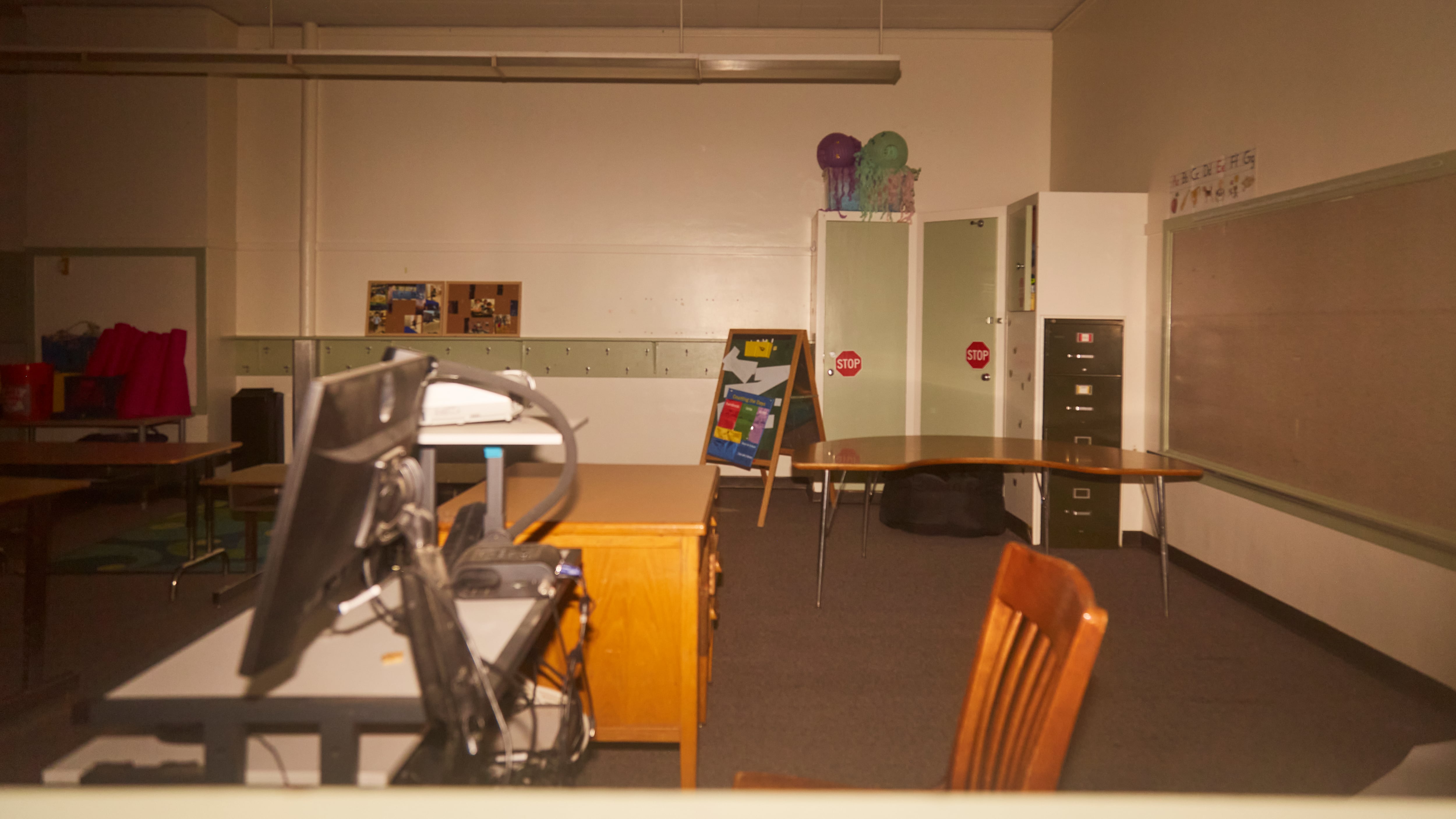
For years, my middle schooler has been urged to slow down and double-check their work. This year? Students who blaze through assignments are rewarded with “free time,” meaning screen time. When the state tallies up Oregon’s required instructional hours, do the totals include this “free time” of IO games and influencer lore? —WTF (Why the Free Time?)
Tabulating instructional hours is difficult enough without trying to control for the quality of the experience, WTF. Oregon law states that if a student is in a scheduled class under the supervision of a licensed teacher, it counts as instructional time whether the teacher is inspiring students to transcend the commonplace à la Dead Poets Society or just showing them how to make fart noises with their armpit.
But I suspect that concern for the integrity of Oregon’s instructional accounting system isn’t the real reason for your letter. I think what you’re really worried about is that (a) students and (b) teachers are racing through the material so they’ll have more time to (a) watch softcore K-pop videos or (b) take discreet swigs from the NyQuil bottle in their bottom desk drawer.
Obviously, I’ve never sat in on one of your middle schooler’s classes. (And since doing so by definition requires being within 1,000 feet of a school, I’m not likely to for the next 12 to 24 months.) However, if their classroom is run along modern principles, your fears are probably overblown. There is free time, but activities are generally chosen from a relatively wholesome menu—and, in any case, they’re more a classroom management tool than a reward for laxity.
Those of us who attended middle school during the time of Cromwell may not get this. Our school days were mostly lectures to the entire class, punctuated by occasional raps across the knuckles with a pikestaff if you couldn’t name all three elements. Cutting that lesson plan short just so students could tend to their fantasy jousting league drafts would indeed seem counterproductive, albeit merciful.
Nowadays, however, you might have one group meeting with the teacher while another works on problems, or a 20-minute lecture followed by an in-class assignment with the teacher assisting students as needed. Ideally, the students in these scenarios who finish first would close their Chromebooks and sit silently in reverent contemplation of the divine. However, these are 12-year-olds we’re talking about. In practice, anything that keeps them quiet counts as a win (for the other kids if not for them).
Questions? Send them to dr.know@wweek.com.