Skip to main content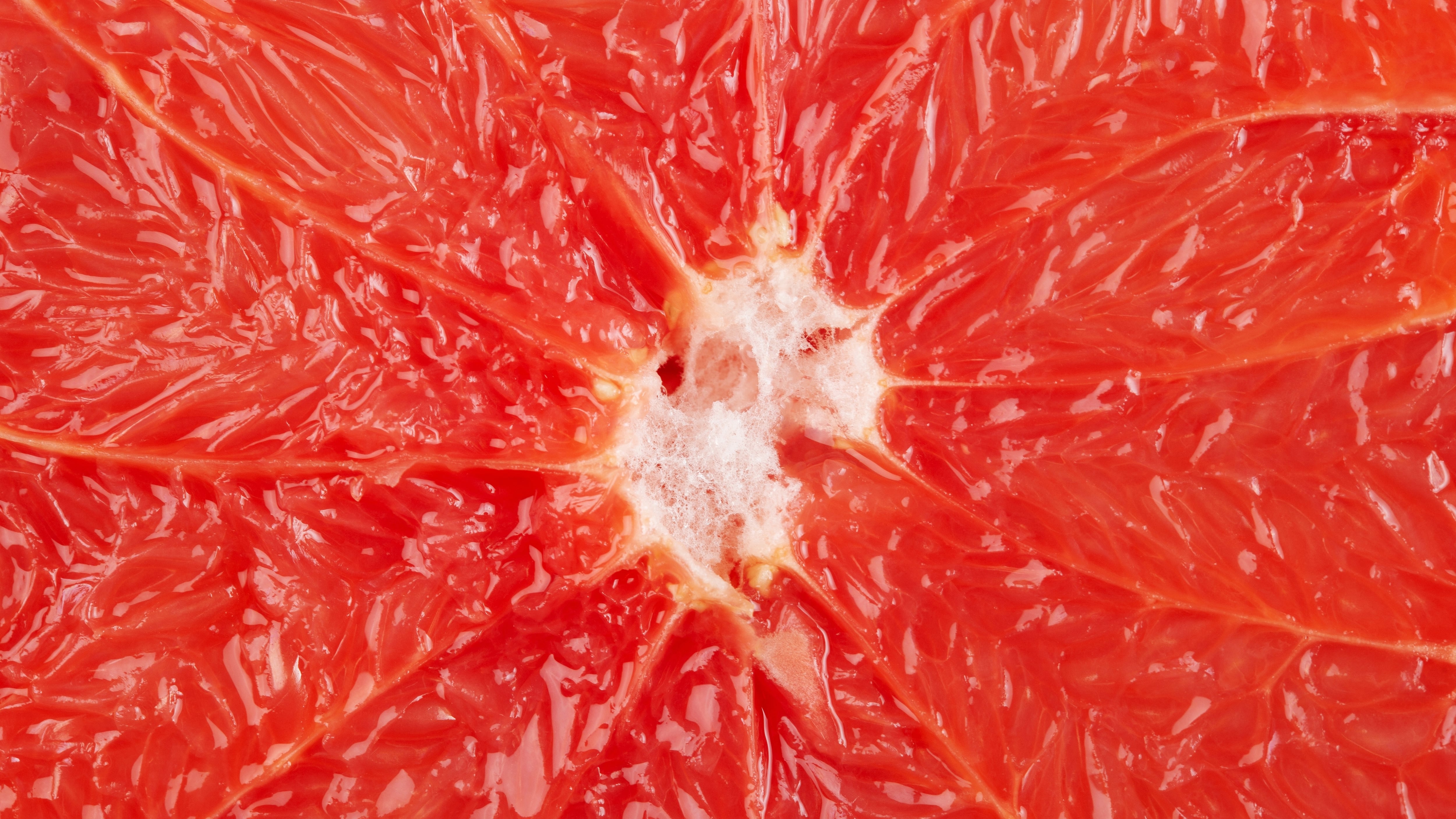
What’s the deal with grapefruit and drug interactions? A friend who takes some unnamed medication recently told me, rather dramatically, “If I eat grapefruit, I’ll die.” Another friend says grapefruit juice “makes your molly hit harder.” Is this yet more MAHA misinformation, or is there something to it? And do all citrus fruits do this, or is grapefruit special somehow? —Pummeled by Pomelo
Given the current information environment, Pummeled, I can’t blame you for being suspicious—the grapefruit/drug connection is exactly the kind of farfetched claim you’d expect to hear sandwiched in between the colloidal silver ads on some vaccine-skeptical podcast about the dangers of seed oils. This time, though, the tale is true: Grapefruit has been documented—not just by somebody’s brother-in-law, but in peer-reviewed studies—as affecting the way your body absorbs over 100 different drugs.
Which ones? You name it! The list includes cholesterol drugs, blood pressure medications, post-transplant immune suppressors, anti-arrhythmia drugs, antihistamines, antidepressants—the list goes on and on. And since I know you’re wondering: Yes, the list also contains plenty of items from the unscientific but easily understood category of “fun” drugs. Amphetamines, orally administered narcotics, benzodiazepines, ketamine and the aforementioned molly (known to us old-timers as MDMA or, embarrassingly, ecstasy) are all affected.
Here’s one example of how it works: Grapefruit (and some other citrus fruits, although to a lesser extent) contains compounds called furanocoumarins—a word you almost certainly won’t remember—which evolved to protect the primordial proto-grapefruit from marauding insects. In humans, furanocoumarins block the digestive enzyme CYP3A4—are you writing this down?—that normally starts breaking down all these drugs in the gut. Without the action of CYP3A4, the drugs don’t break down as quickly. Instead, they hang around in the digestive tract for long enough to be absorbed into the bloodstream in greater concentrations than usual.
I realize it’s in questionable taste to talk about “fun” drugs in the context of an effect that substantially increases the risk of toxicity and overdose. That said, if the 25-year-old Dr. Know had known about this effect he’d have been guzzling grapefruit juice every day: Toxicity and overdose? What’s the catch?
These days, however, I would assume people who still read newspapers are, like me, well past (past, anyway) the young-and-stupid phase of life when trying a sketchy biochemical hack in hopes of getting more bang for your street-drug buck might sound like a good idea. Just to be clear, however: Don’t try this at home.
Questions? Send them to dr.know@wweek.com.