Skip to main content
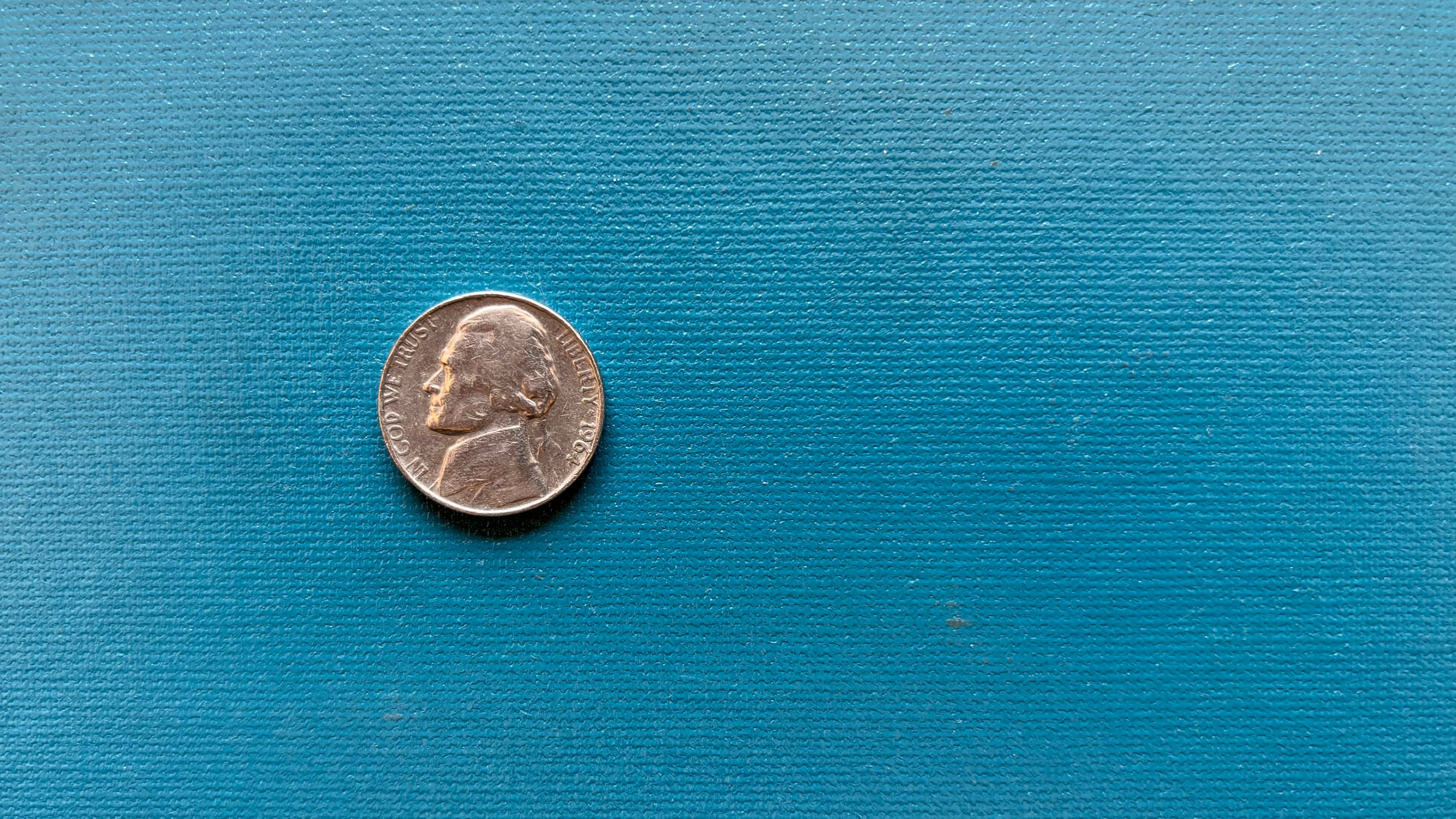
I’m glad the government finally abolished pennies, but I want more. Is there any reason we shouldn’t also abolish the penny’s almost-as-worthless sibling, the nickel? We’re on a roll—let’s strike while the iron (or nickel) is hot! —Penny Dreadful
Untrammeled bloodlust is an ugly thing, Penny. That said, I admit it’s pretty hard to make a case for keeping the nickel around.
The penny has been the smallest unit of U.S. currency since 1857. At that time, it was worth the equivalent of 34 cents. The fact that the cash-oriented 19th century did just fine without any smaller denomination than that suggests that our tap-to-pay world could probably lose the nickel (and the dime!) without reducing the financial system to a smoldering hellscape where the living will envy the dead.
Like the penny, which died costing just over 3 cents to make, the cost of making a nickel—13 cents—far exceeds its value. Some members of Congress want to remedy this, if not by scrapping the nickel entirely, at least by finding a way (probably involving the trash metal zinc) to make it less of a money pit. As U.S. Sen. Cynthia Lummis (R-Wyo.) told The New York Post, “More and more, Americans are paying with credit cards, debit cards and stablecoins for everyday purchases.” I include this quote mostly to highlight the shameless brownnosing of crypto billionaires represented by Lummis’ implication that the financial snake oil known as “stablecoins” belongs on a list of everyday American payment methods, but it is true that pocket change makes less sense in a cashless world.
Incidentally, as someone who has spent half a century looking up useless facts instead of talking to girls, I was stunned to learn that I did not know what nickels were made of. Do you? If you said “nickel,” please leave the Jeopardy! set and proceed down the hall to Wheel of Fortune because nickels are actually 75% copper. (The other 25% is still nickel, but come on.)
Due to quantum effects that I totally understand, a mostly copper mixture that should obviously be a slightly paler copper color actually comes out bright silvery white. The same alloy is used for the silver-colored layers of dimes, quarters and half dollars that enclose the copper core. Why the copper core? Because until 1964, those coins were solid silver, and the mint had to come up with a design that would fool coin-operated vending machines designed to reject base metal slugs. I didn’t know this, either (a fact I will never live down), but that’s life.
Questions? Send them to dr.know@wweek.com.