Skip to main content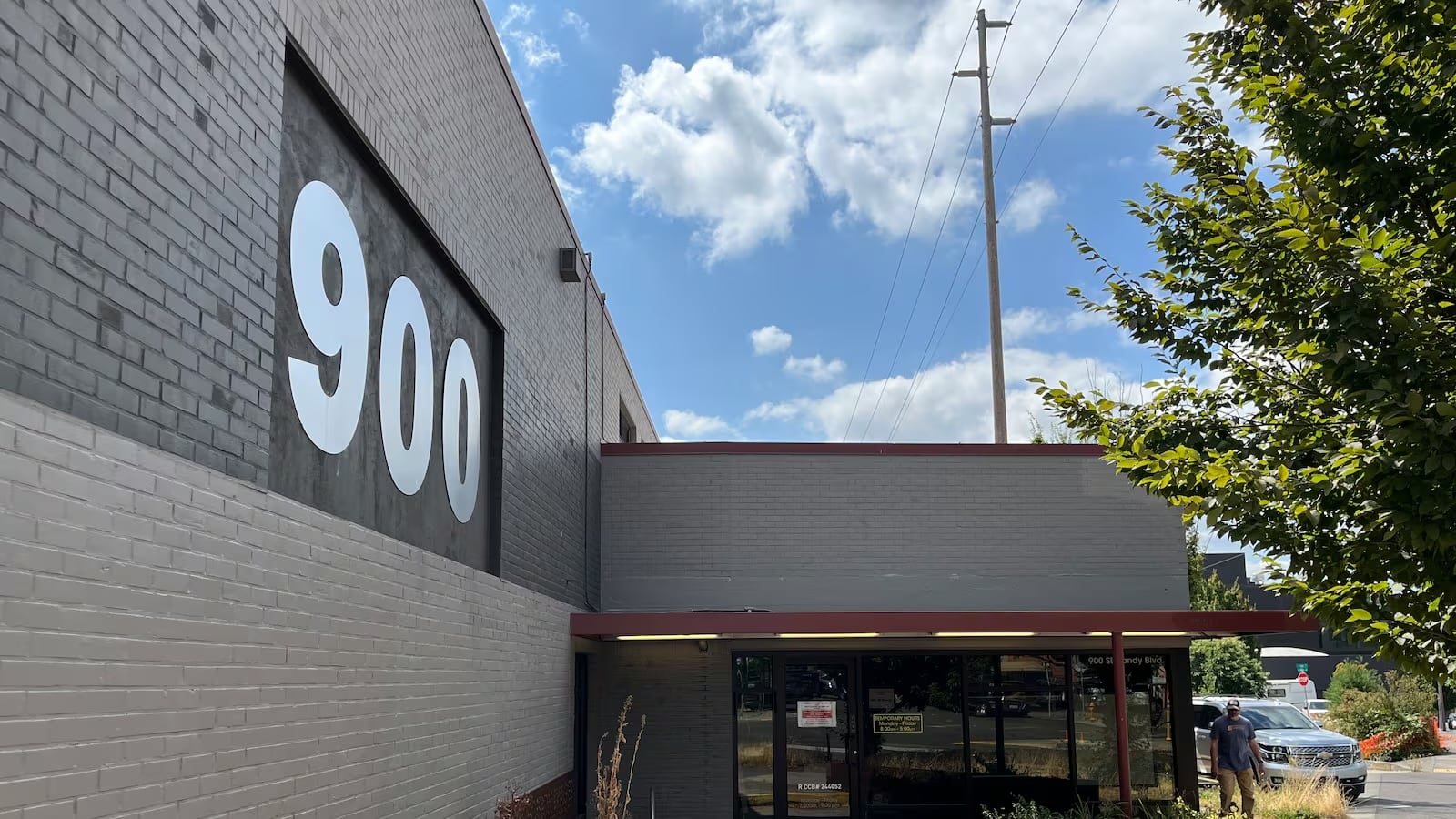
Two years ago, Multnomah County announced its contract with a “nationally recognized” nonprofit to operate its new drug deflection center on Southeast Sandy Boulevard—a place where those caught with illegal narcotics might be sent for treatment as an alternative to prosecution, or simply go to sober up.
The center has faced scrutiny for its underwhelming outcomes. And now that nonprofit, the Baltimore-based Tuerk House, has moved along. Tuerk House did not respond to a call seeking comment, but a county spokesperson confirmed to WW a new nonprofit was set to take over management at the July 1 dawn of the fiscal year.
The change, a county spokesperson tells WW, is part of a long-planned transition and competitive bid process, won by the new organization, Community Bridges. Now, the decades-old Mesa, Arizona-based nonprofit has taken over the facility, known as the Coordinated Care Pathway Center. It is set to run the permanent facility for deflection and sobering that the county is building and says will open in the fall of 2027.
Multnomah County interim behavioral health director Anthony Jordan says the new nonprofit will more proactively set up transportation plans and such to stay in touch with people going through the deflection process and make sure they stay on track. “It wasn’t like Tuerk House’s model was bad or anything like that,” he tells WW. But the Community Bridges model is “a little different.”
Tax documents indicate Community Bridges has grown rapidly in recent years, offering crisis stabilization and behavioral health programs. Both it and the county promise a holistic approach to drug addiction, with more proactive direct outreach in the community.
Where many organizations specialize only in detoxification or only in crisis response, a spokesperson for the nonprofit says, Community Bridges ”operates an integrated continuum of behavioral health services."
This, they said, “means individuals who enter one of our stabilization centers can be connected more seamlessly to ongoing treatment, peer support, recovery services and community resources, improving the likelihood of long-term success rather than simply addressing the immediate crisis.”
If true, this would be welcome news. The performance of the deflection center, which has cost millions of dollars to set up and not infrequently checks in one or two people per day people despite being open 24/7, has left observers deeply unimpressed. Underuse is one basis of criticism. Another is that few of those who begin the deflection process complete it.
Under the initial one-year contract, Community Bridges would get paid up to $1.7 million.