Skip to main content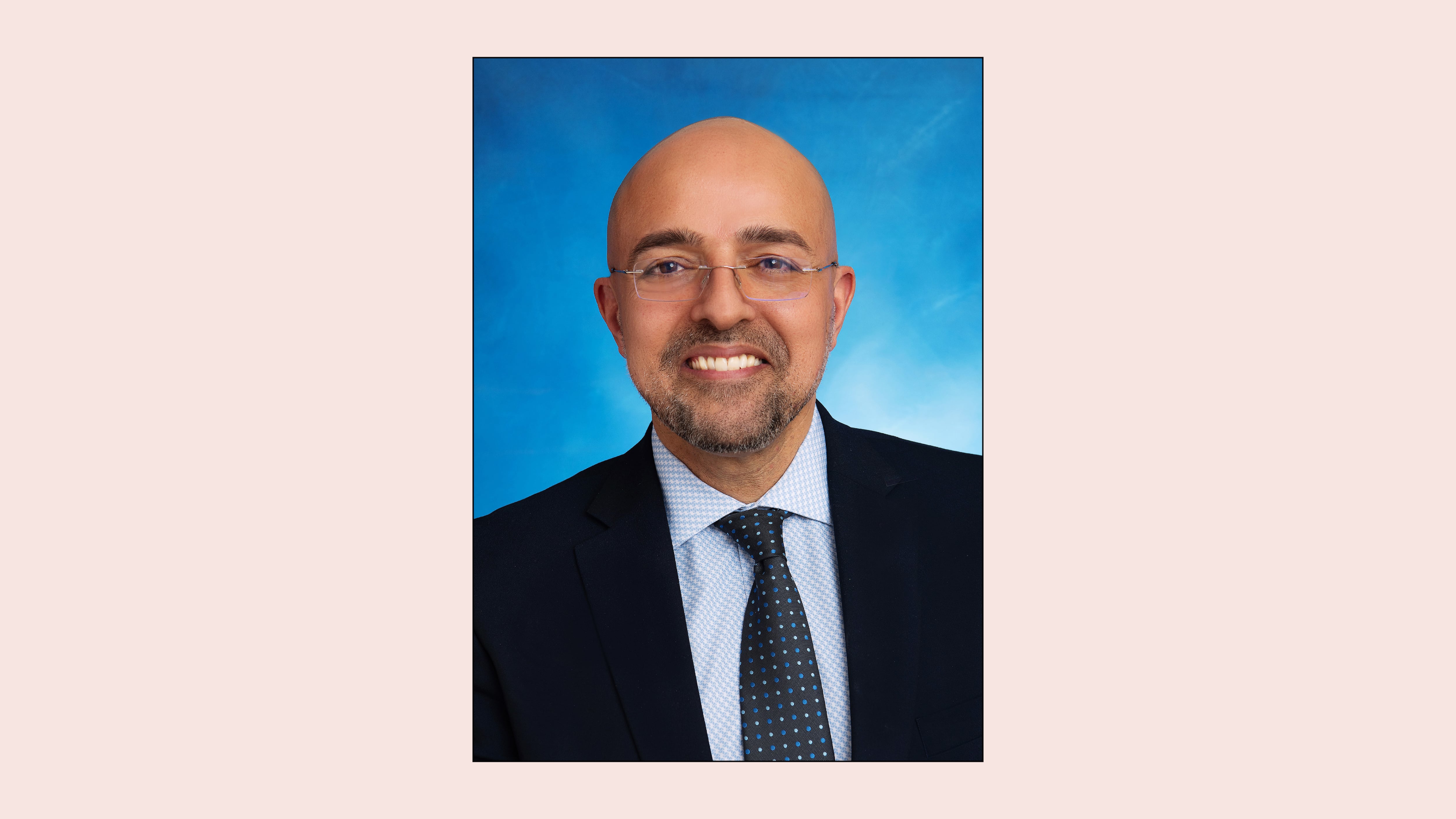
Former Oregon Health & Science University health system CEO Tarek Salaway has sued the institution for $15 million, alleging discrimination, whistleblower retaliation, and wrongful termination as he details his side of an ugly conflict that led to his firing early this year after little more than three months on the job.
Salaway’s suit describes him moving diligently in his opening weeks at the institution to make changes in the name of safety and quality, only to face stark internal resistance—as well as bigotry-laced comments directed at him and others he sought to empower.
The suit also offers his perspective on the events that led to his termination, and his allegation that documents OHSU released to WW early this year from an investigation into Salaway’s conduct were misleading and incomplete.
In a statement, an OHSU spokesperson said, “Salaway’s termination was not related to concerns raised about alleged patient safety or quality, or bias of any kind. OHSU will vigorously defend against those allegations. OHSU refers back to its previous statements and will otherwise decline to comment on this pending lawsuit.”
The conflict first became public April 3, when OHSU president Shereef Elnahal announced Salaway no longer worked at the institution, effective immediately. Elnahal at the time gave no public rationale, but Salaway told WW in a phone interview that day that he was being fired in retaliation for raising concerns about serious problems.
The real story was indeed complex. Notable staff left OHSU in the weeks leading up to Salaway’s termination. And public records OHSU released show staff, with redacted names, telling investigators of concerning, unprofessional behavior by Salaway, characterizing him as arrogant-seeming and a poor listener in his brief tenure overseeing the health care operations at the institution. OHSU later in a court filing said it fired him over “professionalism and communications issues.”
Salaway’s suit, filed Aug. 13 in Multnomah County Circuit Court and first reported by Portland Business Journal, says OHSU released these documents cynically and selectively. “Rather than provide the public with a full picture of the facts and circumstances surrounding Mr. Salaway’s termination, OHSU released carefully curated, selective information intended to mislead and to impugn Mr. Salaway’s reputation and harm him in other ways,” the suit says.
A seasoned executive with decades of experience, Salaway, the suit says, arrived in December at OHSU—having uprooted his life in California for the job—prepared to aggressively address any problems related to safety, quality, or patient experience.
The suit says he indeed encountered stark problems. There was the well-documented issue of boarders at the hospital’s overcrowded emergency department waiting overnight for a bed. There was also, he said, a high level of “severe adverse outcomes in the respiratory therapy department that had negatively impacted pediatric patients.”
The suit says Salaway tapped the OHSU chief nurse executive, as well as a doctor in charge of health equity, to take point in addressing these and other problems.
But, it alleges, these personnel decisions faced resistance from colleagues “comfortable with the status quo.”
It says prejudice was also a factor, and that Salaway encountered it in many forms during his tenure. The suit attributes resistance to one of Salaway’s desired promotions to sexism, and another to racism. As another point, it says that a member of his team said a black leader at the university reminded them of a “gangster,” a comment the suit says Salaway rebuked as having racist undertones.
The suit also alleges resistance Salaway faced from high levels, including from chief of medicine Renee Edwards and chief people officer Angela Sklenka. The suit says Sklenka, for example, suggested to Salaway that the nursing chief’s promotion to deal with the respiratory therapy problem “would ruffle feathers politically,” though the suit says Salaway believed such comments reflected Sklenka’s lack of experience in the highly regulated hospital setting, “where serious patient safety risks must be prioritized over institutional politics.”
This was still just a few weeks into the job for Salaway. But the suit says he determined that the direct impact on patients tied to the problems he’d identified meant he should push forward system change “rather than affording weight to popularity or accommodating bureaucratic inertia.”
The suit says he found resistance in other contexts too, such as when he tried to apply oversight over other departments, from pharmaceuticals to supply chain management to Hillsboro Medical Center, with which OHSU has close ties. Here too, he alleges a discriminatory culture at play.
One leader, the suit says, characterized “Mr. Salaway as being condescending and dismissive, terms often disparagingly ascribed to leaders of LGBTQ+ backgrounds, when in fact Mr. Salaway was only fulfilling his fiduciary duties to [OHSU] and the State of Oregon with regard to use of hospital resources.”
On March 10, Salaway recalls, tensions escalated sharply. He recalls a conversation with his executive assistant where he discussed the “lack of concern for patient safety” at OHSU, as well as the pushback he received with the contentious personnel decisions. “Mr. Salaway shared these experiences with his assistant in disbelief about the amount of bias he was encountering at OHSU in his role as the CEO of OHSU Health,” the suit says.
At this point, the suit says, Salaway, talking about a high-level staffer who was giving him trouble but planning to leave, pondered whether he should simply wait until she was gone. “Accompanying these comments,” the suit says, “Mr. Salaway made a hand gesture similar to a baseball umpire, moving his thumb from above his shoulder in a ‘strike three, you’re out’ motion.”
That evening, the suit says, Salaway got a call from Sklenka, the chief people officer, telling him he had to participate in a workplace safety investigation, and soon he was placed on an involuntary leave of absence. The next day, the suit says, Sklenka told Salaway he had been accused of threatening to “cut” the departing leader’s throat during a conversation with his executive assistant the day before.
The suit says the complaint came not from the executive but from secondhand reports—and that it “was rooted in deep-seated racism and virulent anti-Muslim sentiment by painting a professional like Mr. Salaway as a violent individual.”
OHSU then commenced a broader evaluation of Salaway’s performance. In it, the suit says, Salaway received feedback contrary to more positive feedback he’d received from Elnahal, the OHSU president, only days earlier.
The suit casts the ensuing OHSU investigation as an effort to build a “case” against Salaway—though it notes that despite this hostile intent, many who spoke with investigators noted Salaway’s high expectations.
Salaway gave his own interview to OHSU. Feeling OHSU’s subsequent summary of his statement was misleading, the suit says, he wrote his own 19-page account of his experience and a culture of mistrust he’d observed at OHSU, and submitted his own formal complaint—which the university, citing privacy, is now seeking to withhold from the media. (WW requested a copy of the 19-page document from Salaway’s attorney in June, but received no response).
The suit says Elnahal fired Salaway on March 18, citing in an email a loss of confidence in Salaway’s ability to lead, and noting he had not considered the allegations of the throat-cutting motion in this decision.
Salaway’s suit says OHSU’s subsequent efforts to shape the narrative in its favor devastated him and left him feeling shunned by the medical community. It adds that, despite OHSU’s efforts to control the story, its behavior was consistent with a reputation Salaway had heard about before he took the CEO job.
“Sadly,” the suit says, “Mr. Salaway’s experience—from his first day on the job extending weeks if not months beyond his wrongful termination—was consistent with what every Black professional had warned and cautioned him about as to working conditions at OHSU for Black and brown leaders.”
The suit says OHSU may claim it does not tolerate racism, discrimination, and retaliation, but that entrenched bureaucracy at the institution has only its own self-interests at heart. “It will not,” the suit says, “abide by anyone—let alone a member of any minority group serving in a responsible executive officer role—who wishes to ‘rock the boat,’ even if patient health and safety are at stake.”