Skip to main content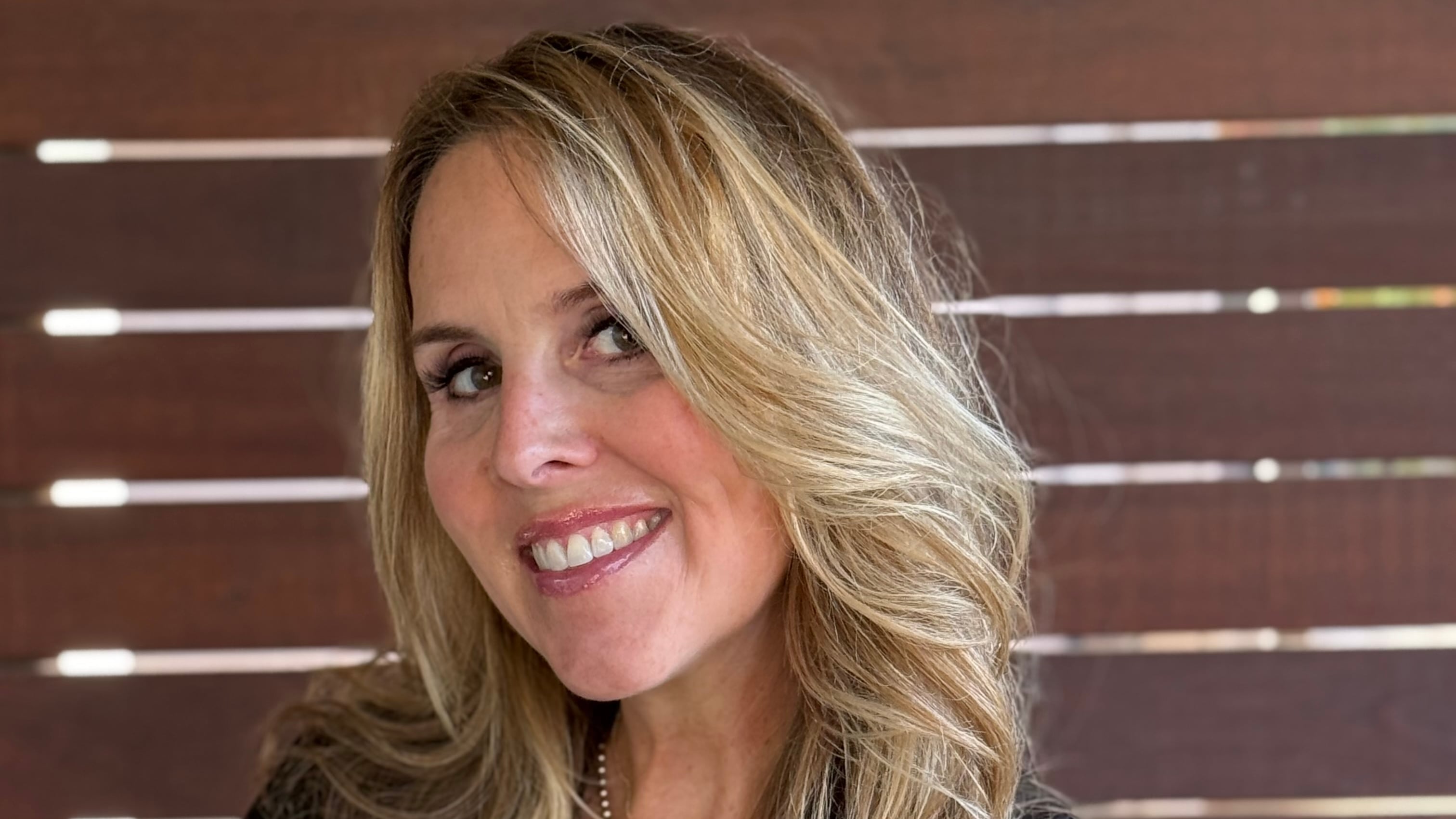
Tracy Wenckus wants you to come downtown and see a show—even if it’s not one produced by one of the two partnering performing arts organizations she oversees.
Last week, Portland Opera announced Wenckus had been appointed to lead the organization Jan. 1 following the retirement of Sue Dixon in December.
Wenckus has worked for Portland Opera since 1999, starting as a media buyer for both Portland Opera and Broadway in Portland, a partnership between Portland Opera and Broadway Across America, before moving into development and then administration. She currently serves as general manager of Broadway in Portland and will continue that role while Portland Opera searches for a new general director.
Last week, WW spoke with Wenckus about Portland Opera’s current season, its growing audience, and why she can’t pick one favorite opera. The interview has been lightly edited for brevity and clarity.
WW: You’ve said Portland Opera’s audience has been growing in recent years. Can you talk a little bit more about that?
Tracy Wenckus: It’s important in any arts organization that you grow and change with what’s going on in your community and around you. Opera is a very old segment in the performing arts, and while we love to perform things from the canon like Carmen or La Bohème, we also like to present newer works like The Shining, which was a slam dunk with audiences last year; this year, we will be doing Fellow Travelers in March.
As far as our education and outreach, we still do our 50-minute Portland Opera to Go productions that tour around the state and perform in schools around the state and Southwest Washington. This year, we did a production of Elixir of Love.
We also have an Our Oregon series, in which we have been working with local artists to present new operas that are telling stories just of folks here in Oregon. Last year, it was Shizue, which was a story of a family who found themselves in an internment camp during World War II.
Representation is more than important, and it helps us see different demographics coming to the theater.
Tell me more about what’s on deck for the rest of this season.
Coming up in February is The Majesty of the Spiritual. It’s fantastic because it’s during Black History Month. It will be in our World Trade Center Theatre. Robert Sims is the organizer of the program. He’s a baritone who’s sung everywhere. It will be him and 10 singers. And they will be doing a number of works. It’s kind of a historical concept, examining the ways in which the spiritual has informed many of the genres of American music. So it’s like a lesson in musical history, as well as just an awesome concert. It will be happening while the Winter Light Festival is also happening at World Trade Centers.
Then next up will be Fellow Travelers, which is a modern opera. It’s the love story of two men who are alive during the McCarthy era. They fall victim to the Lavender Scare, which was an initiative to remove homosexuals from the federal workforce. It feels very timely, even though this is a story that is set, obviously, many years ago.
So that’s in March, and then we have Verdi’s Requiem in May. That’ll be our concert at Keller Auditorium. It’s a one-night event—full orchestra, full chorus, principal singers. The Requiem was originally composed as a funeral mass, so it’s one of the most beloved and intense oral works ever composed, and it closes our season.
You’ve been working with Portland Opera a long time. Do you have a personal favorite opera?
I have operas that I love that are so controversial to love in today’s day and age. The only time I’ve truly cried in an opera was a production of Madame Butterfly; I just was so moved by it. I also absolutely loved a production of Galileo Galilei that we did with our resident artist program at the Newmark many years ago, just one of the coolest productions that I think Portland Opera has ever done.
And then, this is the kind of sucker that I am: The Pearl Fishers has one of the most beautiful duets in all of opera. It’s one of the most famous, and because of that [duet], I love that opera. And it is the epitome of a ridiculous opera story. That’s the glory of opera, is that so many of the stories are kind of ridiculous, but they’re so beautifully sung. I literally can’t pick just one. I get the question about Broadway shows too. It’s like trying to pick your favorite child.
Thinking of a hypothetical reader who’s curious about opera but not well versed in it—or a less hypothetical person, like me—what’s something you recommend as a first opera?
Here, we had kind of the quintessential, awesome first opera already in this particular season, which is La Bohème. It’s the quintessential tragic love story. It’s young people, young artists, just struggling to make it, falling in love. It has energetic scenes with the full chorus, the children’s chorus, and then the tragic ending. But there’s something about La Bohème and that love story that everyone wants to kind of experience that love that Mimi and Rodolfo share. And because it was the inspiration for Rent, the musical, so you already kind of know the story, and can say, “I hear that music that I know from Rent.”
If you’re not someone who likes to see folks in that period costume, and you want something more modern, a contemporary opera, just telling a story, Fellow Travelers is a love story, but it’s a tragedy, it’s also showing us stories about things that happened in our country that we may not be aware of. It’s got this educational make-you-think moment. For some folks, they want to walk away with the power of “Wow, we did that, and that still kind of is happening today.”
I feel like there’s so many opportunities and different experiences that maybe you just can’t come to just one first opera. You have to come to all of them. See? I can’t name just one. Clearly can’t do it.
SEE IT: To learn more about the Portland Opera’s 2025–26 season, visit portlandopera.org.