 Skip to main content
This story is published in cooperation with Willamette Week and Meals on Wheels People.
When SNAP benefits stalled this fall, it exposed something frontline workers in Portland already understood: the safety net for our older neighbors is thinner than we think. And as the city moves into winter, that need has only grown. Even with state systems back online, the underlying effects are clear: thousands of older adults still live so close to the edge that one disruption can have a dramatic impact.
This isn’t about a missed grocery trip. It’s about empty pantries, fixed incomes stretched past their limits, and the very real fear of going without food. But even when all other options fall through, one organization has become the bridge between crisis and stability for older adults: Meals on Wheels People.
 Opens in new window
The Crisis Behind Closed Doors
SNAP delays didn’t create Portland’s hunger crisis among older adults—they simply made it impossible to ignore. Many of the seniors who turn to Meals on Wheels People are already navigating mobility challenges, health limitations, and transportation barriers that make food banks or grocery stores out of reach. Most live alone, surviving on less than $1,660 a month, and nearly a third are over 80—and they’re constantly weighing groceries against rent, heat, or medicine.
So when government distributed benefits stalled, that razor-thin margin vanished. The panic was immediate, and for many, the fear hasn’t faded even with benefits restored. Rising costs and ongoing SNAP changes mean the need is still expanding.
“It’s on fire,” said client services specialist Elaina Pogrebinsky. “A lot of folks are calling in. A lot [of seniors] are panicking.”
In October alone, Meals on Wheels People delivered 10,000 additional meals and saw more than 300 new older adults sign up for the program. In the first two weeks of November, new requests jumped 81% compared to last year.
The bottom line? For thousands of older adult Portlanders, food scarcity is an everyday reality.
 Opens in new window
When SNAP Falls Through, Meals on Wheels People Steps In Fast
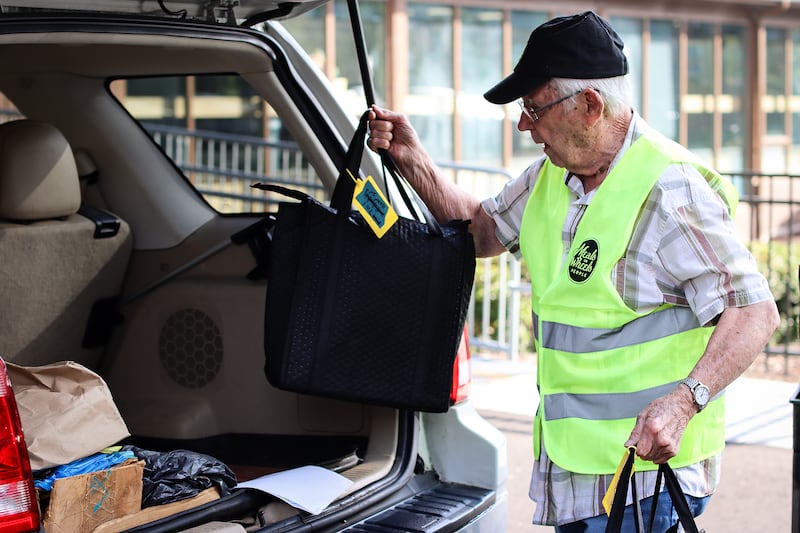
This local nonprofit operates differently from many national meal-delivery programs. They’re community-driven, independent, and not governed or funded by Meals on Wheels America. They’ve never had a waiting list for meals—and they don’t intend for that to change now. When someone calls for help, they often get meals the same week, occasionally even the same day.
Mary Carlson, a client services specialist with Meals on Wheels People, helps connect older adults to services and hears the fear every day. “People are really scared,” she said. “What are they going to do for food? Most of the people I’m starting on meals have been extremely grateful—crying because they’re so grateful to be put on the program, and they’re going to have food.”
One call in particular stayed with her.
A woman reached out because she needed food. She lived alone, with no one nearby, and didn’t know what else to do. After Mary signed her up for home-delivered meals, the woman hesitated—then admitted something unexpected.
“After-hours, she’d call her doctor’s phone line just to hear someone’s voice,” Mary said. “She’d listen to the recordings.”
Meals on Wheels People didn’t just provide meals—they connected her to the organization’s Friendly Chats and Friendly Tech Visits programs to help provide companionship in place of isolation.
“She was so excited,” Mary said. “She kept saying, ‘I’m going to be getting phone calls!’”
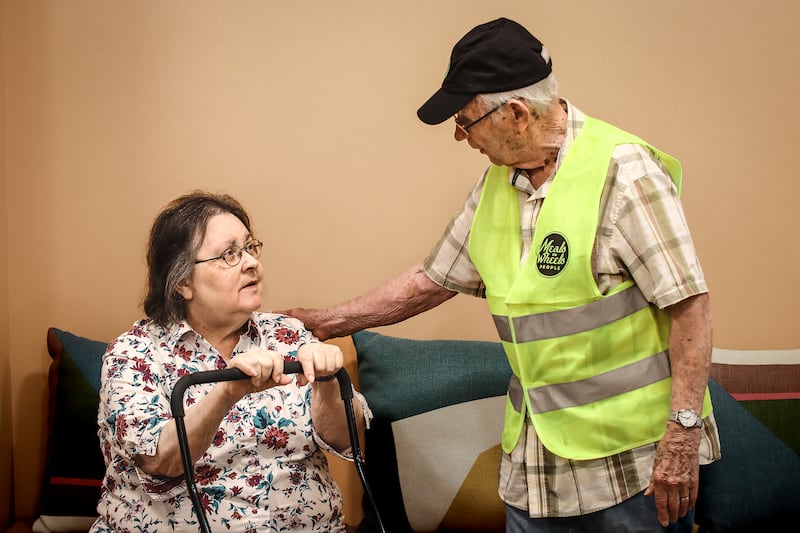
For her—and for thousands of older adults across Portland—the delivery at the door is more than food. It’s connection, dignity, and the reassurance that someone cares.
 Opens in new window
The Calls Haven’t Stopped
SNAP is restored, but the fallout hasn’t disappeared. For many older adults, just how precarious things were was revealed—one missed benefit, one unexpected bill, and the pantry went empty. The surge Meals on Wheels People saw this fall also hasn’t slowed. The phone keeps ringing, day after day, from neighbors who suddenly have nowhere else to turn.
One participant put it simply: “I can no longer go to food banks, and your service means the difference between eating or not at the end of the month for me.”
Another shared: “We can’t go to the store, so the fact that you consider our nutritional needs is lifesaving… We are not forgotten!”
This is what makes Meals on Wheels People unique: they don’t wait for people to come to them. They go straight to the doorstep. They meet people exactly where they are—which, for thousands of older adults across the metro area, makes all the difference.
More Than Meals—It’s Community
Meals on Wheels People is feeding Portland, but they’re also fighting loneliness.
Among their participants. Here are some quick stats:
- 57.5% live alone
- 61.1% live on less than $1,660 a month
- 30.2% are over 80
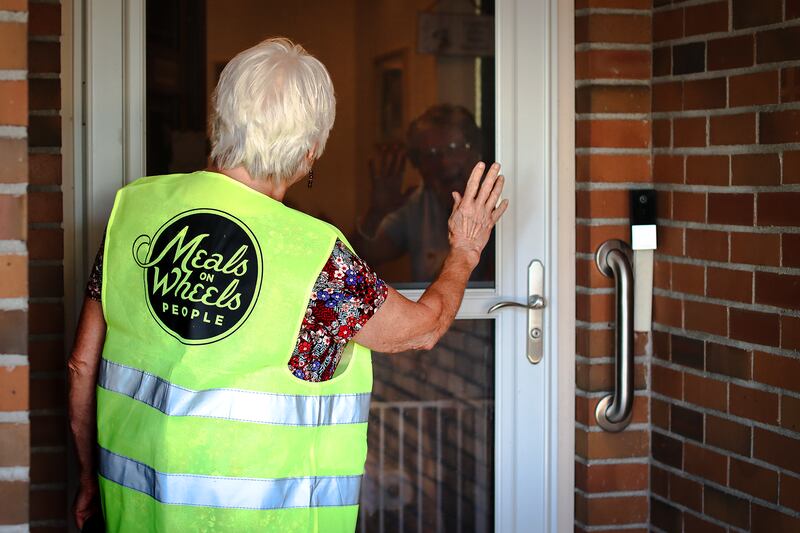
For many meal recipients, the knock at the door is the only human interaction they’ll have all day. Volunteers deliver a meal—but also a moment of care and a sense of belonging.
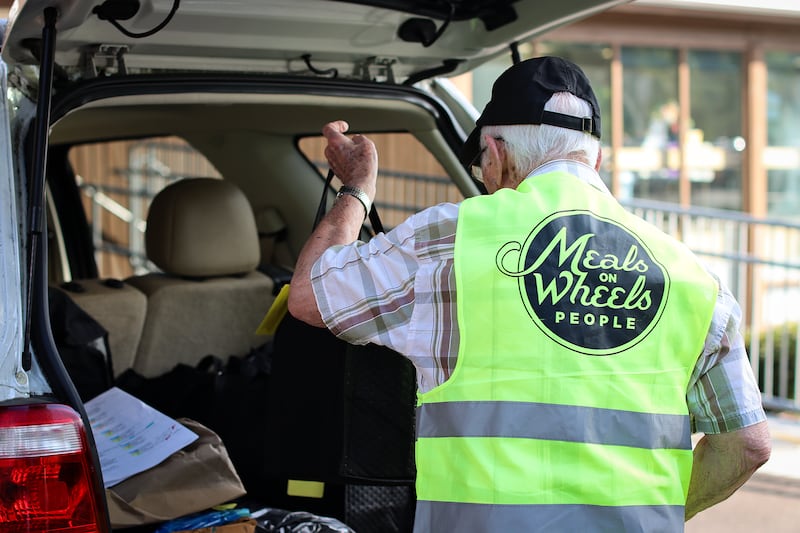
And it takes an entire city to do it. Meals on Wheels People needs 312 volunteers every day. Last year, more than 2,000 volunteers gave nearly 96,000 hours of time—saving the organization more than $3.5 million. Without them thousands of Portlanders would go without.
 Opens in new window
How Portland Can Show Up Now
Meals on Wheels People anticipates serving 100,000 additional meals in the next year due to rising costs and ongoing SNAP changes. They remain committed to their promise: no waiting list. But to keep that promise, they need help.
That’s why this Giving Tuesday, they’ve set an ambitious goal: Raise $50,000 in 24 hours for homebound seniors in need.
Every gift is matched dollar-for-dollar up to $15,000 by Hoffman Construction—doubling the impact in a moment when older adults need it most.
Because when the safety net breaks, Portland steps in. Not with fanfare, but with food, and with the kind of community care this city has always been known for.
Make your matched gift today at mowp.org—and help make sure that no one goes without a meal.
