 Skip to main content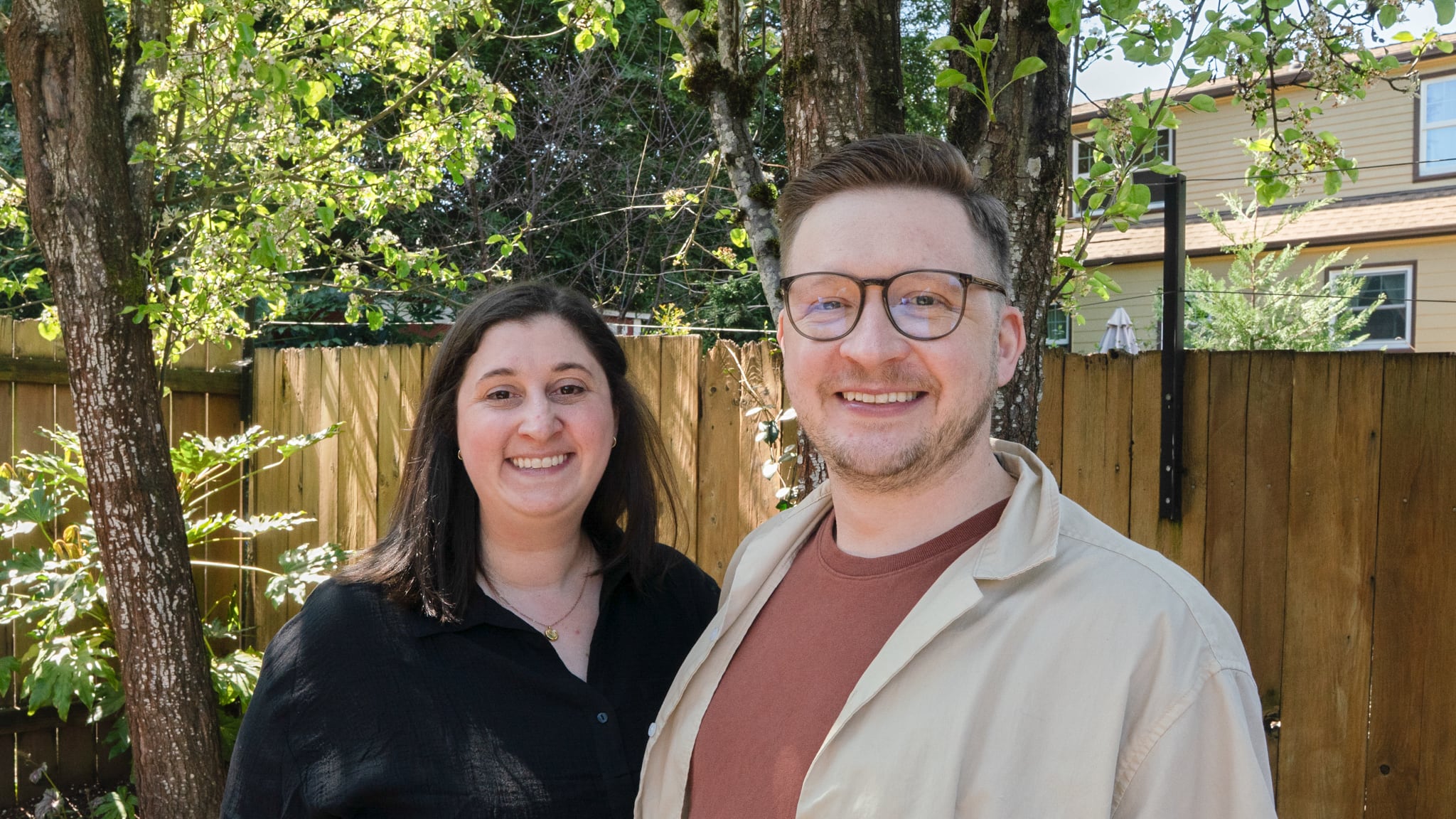
This story is published in cooperation with Willamette Week and University of Oregon’s Portland-based Executive MBA program.
At 35, Allie Brandwein has seen a lot in her career.
A Midwesterner who got her undergraduate degree in journalism and advertising from the University of Minnesota, she’s worked for nonprofits, in merchandising at Target, in marketing for an energy-efficiency consulting firm, and in digital analytics. Along the way, she relocated to Portland with her husband, Michael, and navigated multiple layoffs, restructures, and even a bit of burnout. She’s always been able to land on her feet, but she’s always felt like she was missing something.
 Opens in new window
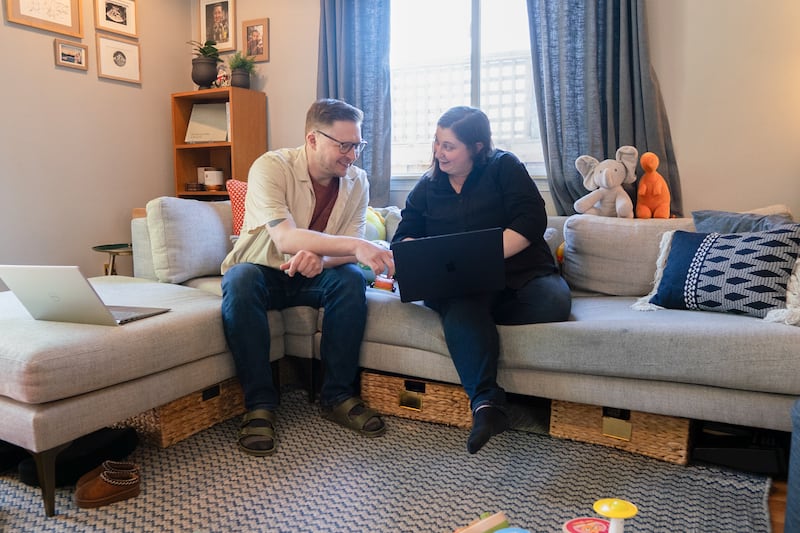
“As I moved forward in my career and up the corporate ladder, I have experienced budgetary highs and lows and have been part of many organizational restructures in both the for-profit and nonprofit worlds,” Allie said. “I was always left feeling slightly at a disadvantage in these situations, even though I had the experience to succeed.”
The missing piece? A Master of Business Administration, something Allie had wanted to pursue since graduating from college. But as a busy mother (her son Arlan recently turned two) and professional – she’s now Chief Marketing Officer for Artichoke Consulting, a certified Salesforce Consulting Partner she and her husband founded – she wasn’t sure a typical MBA program would work.
Then she found the University of Oregon’s Executive MBA program in Portland. Prior to submitting her application, Allie had the opportunity to chat with a few students in the class of 2025 and sat in on a class session.
 Opens in new window
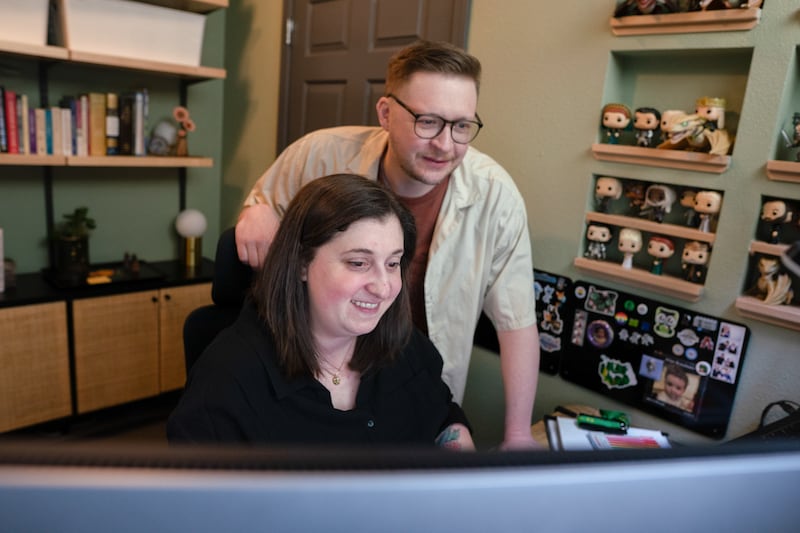
“The Oregon Executive MBA was an incredibly attractive program because it encompassed all the tools I already use to build my confidence,” Allie says, adding that, before she applied, she was able to talk to a cohort of students in the program who were parents themselves.
“It was so empowering to see other parents participate in the program without feeling like they were missing out on the collaboration or community. Being a parent is a job that is so important, and I felt that the ability to better myself with a graduate degree from the OEMBA program would enhance my entire family’s life. Those students showed me that it’s true.”
A common stereotype of MBA programs is that they encourage cutthroat competition, but Allie says the OEMBA program has a collaborative spirit. Classmates respect each other, work together, and even dine together (courtesy of the program) on Friday class nights and Saturday lunchtimes.
Her cohort has quickly become a tight-knit community. Michael and Allie are a one-car household, so late-night rides home from classmates, along with playdates with students’ families and close friendships, have created a sense of belonging that extends beyond the classroom. Conversations aren’t focused just on case studies; they include real-life challenges, from parenting to everyday issues Allie and Michael deal with at Artichoke.
The program’s staff also goes above and beyond to support students, making themselves available at a moment’s notice if support is needed. This shows up in those Friday night dinners, which Arlan and Michael are often invited to, and in the way the staff members have a knack for spotting how they can help before students like Allie even realize they need it. In fact, Allie would apply for the program again for the staff alone.
 Opens in new window
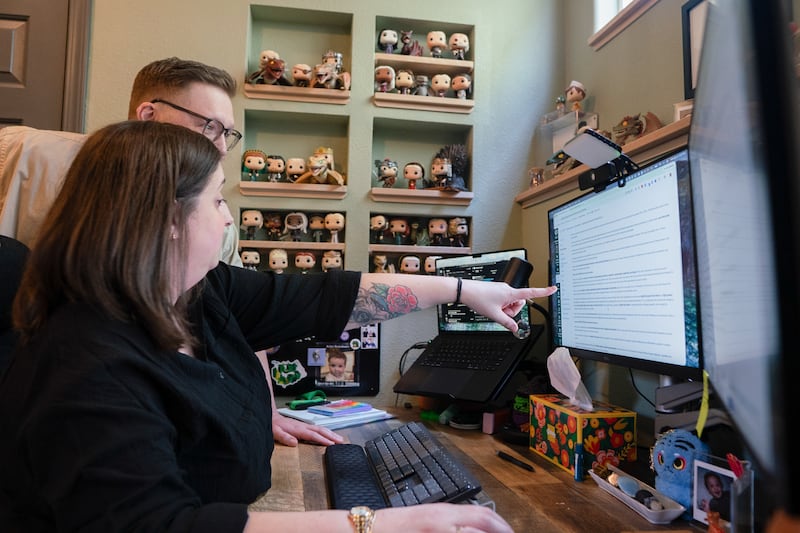
It makes for a busy schedule, but Allie says having the support of her husband, son, and their “chosen family” in town has made all the difference. And Michael said Allie’s work in the OEMBA program is already paying off.
“Allie’s confidence has grown steadily throughout the program, and with it, her role at Artichoke has expanded,” he said.
“The OEMBA has helped her build confidence in the tactical stuff, understanding our financials, owning the accounting side, managing the website, but the biggest shift has been watching her step into high-level client conversations. A lot of that comes from realizing those conversations aren’t so different from what she’s already doing in class and with her cohort.”
On top of all that, Allie, who’s just wrapping up her first year of the OEMBA program, said she’s been pleasantly surprised at how personalized her experience has been.
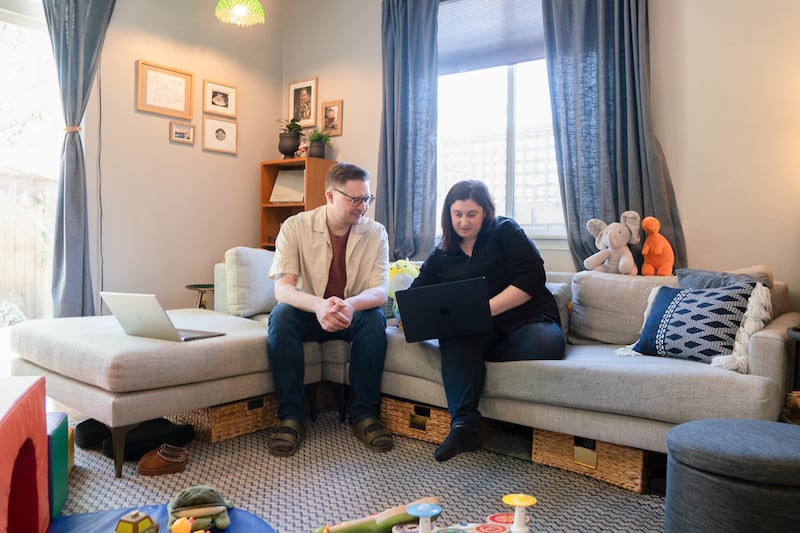 Opens in new window
“The biggest surprise was the genuine interest my cohort, the staff, and professors have in getting to know me as an individual,” she said.
“I know a few people who have done other MBA programs at other universities, and they did not seem to have that same experience. Being able to bring up challenges we are currently facing in our business in class has been invaluable. I have the privilege of learning from many different types of experiences I may not have had personally, which I believe helps me operate with more understanding and respect.”