Skip to main content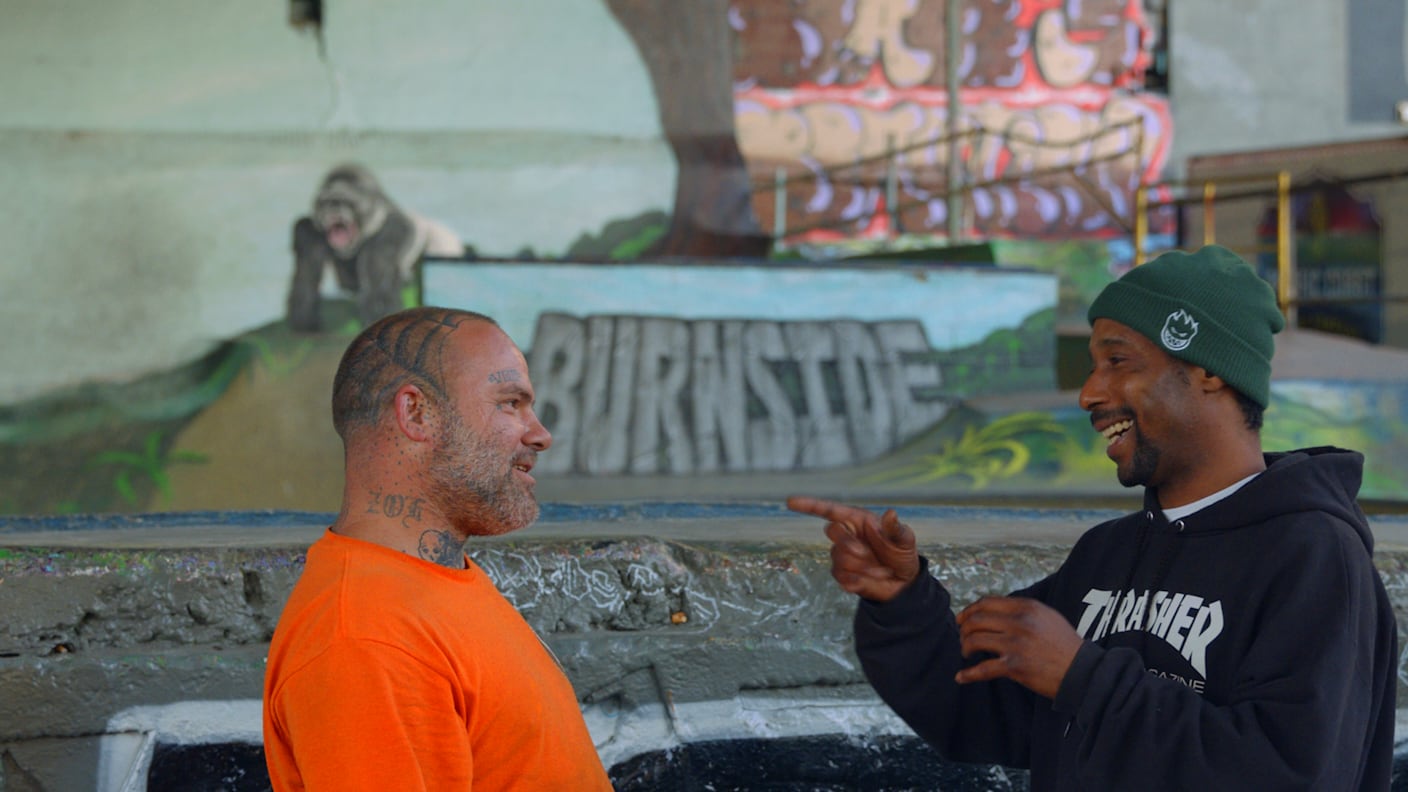
Burnside Skatepark is inextricable from the iconography of Portland. The space is emblematic of more than our city’s can-do community spirit; it’s a landmark that has come to define a global subculture far more complex and interconnected than the casual observer might guess.
And arguably no skater to come up through the park’s hallowed bowls exemplifies Burnside’s ethos better than Paul Johnson, aka Deaf Paul.
In Portlander Dan Eason’s debut film documentary, Through My Board (which premiered last Thursday at the second annual Panorama Film Festival), the many stories that tell the history of Burnside—from its gritty beginnings as an unincorporated refuge where skaters could dodge weather, to its present intergenerational monument status—are interwoven like steel and concrete under the narrative bridge of Johnson’s life as one of the park’s most celebrated skaters.
It’s because Paul’s story in particular provides scaffolding for a larger narrative about identity, evolution and bonds that transcend spoken language and governmental regulation (figuratively and literally) that the documentary succeeds in effectively canonizing the lore that permeates the atmosphere beneath the bridge. When Paul is asked how he can skate without being able to hear, he signs, “I can feel everything through my board.”
Despite his hearing impairment, Deaf Paul is one of the park’s most prolific OGs. Often featured in skate magazines, he is known worldwide and his 33-year connection to the skatepark both challenges and accepts stereotypes. The troublemaker archetype is addressed, but addiction, anxiety, and depression are named plainly, and we get a window into how that trauma is processed through skateboarding. The idea that Portland is peak woke homogeneity is quietly and easily dashed—even at the premiere, Black, brown and Asian faces filled the audience. In this way, Through My Board does something more than paint a portrait of Paul Johnson, the park that made him, and his impact on skating; the film is also a powerful statement about what our city actually looks like once the veneer of new construction is peeled back and a microscope is taken to the communities (in this case, literally) beneath.
In Through My Board, the mythology of Burnside unfurls alongside Paul’s development as a skater; the trials and tribulations of disabled life falling away when Paul skates are braided into the origins of Burnside, how a small collection of hardcore DIYers transformed an otherwise dingy hazard into a worldwide phenomenon. Paul’s battle with the balance between vice and craft—trying to navigate the pitfalls of addiction while staying present in the scene—mirrors the balance the park must continuously maintain, where self-policing ensures not only a safe space for kids and families, but honors the park’s skate punk roots. Skateboard advocacy group Push Movement emerges as an org that promotes prevention and recovery through skateboarding as a new generation of skaters enters the chat—many the children of the OGs that made Burnside.
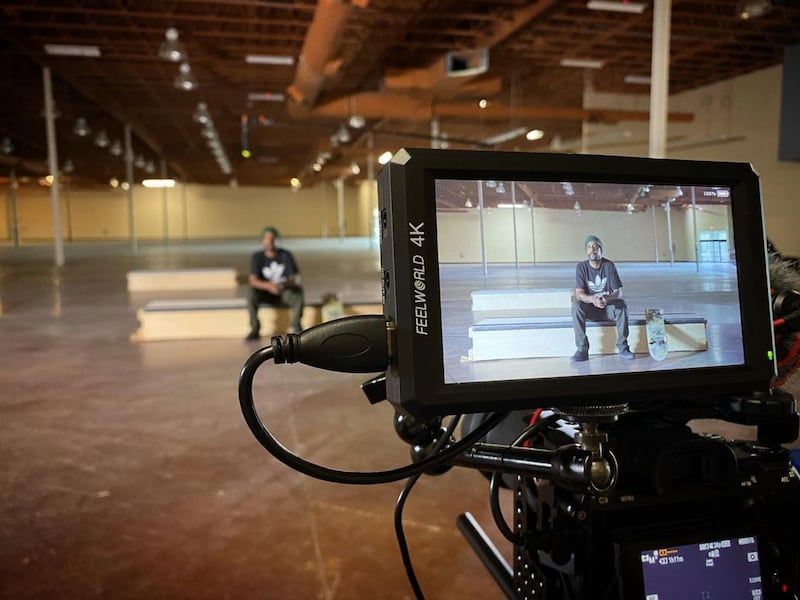
Through My Board was filmed over the course of seven years. During production, the film captured the recent governmental push and pull over whether to retrofit or replace the Burnside Bridge while simultaneously preserving the park—a conversation that spills into the formation of two new parks, including the long-heralded Steel Bridge Skatepark (which, for the uninitiated, has been in development for two decades) on the high-profile westside waterfront of Old Town, ideally shifting Portland’s reputation from a legendary (albeit exclusive) DIY haven for local skaters to a city where skateboarding is intentionally built into the architecture—inviting the sport rather than criminalizing it.
Footage of government employees explaining the city’s respect for the skatepark is juxtaposed with footage of skaters endlessly engaging in the never-ending construction, reconstruction, and reimagining of the existing park. Murals have always been an integral part of the space, and the film concludes with (spoiler alert?) Paul seeing, for the first time, a mural of the American Sign Language alphabet.
The message feels at once stark and inspirational; the only constant is change, but change does not necessarily negate legacy.
The strongest takeaway from Through My Board is the tangible evidence of the power of community, both in uplifting the individual and in supporting the collective. It’s a testament to the thesis that whatever may come, we not only can but we will thrive when we prioritize our communities.
CHECK IT OUT: To learn more, visit throughmyboard.com.