Skip to main content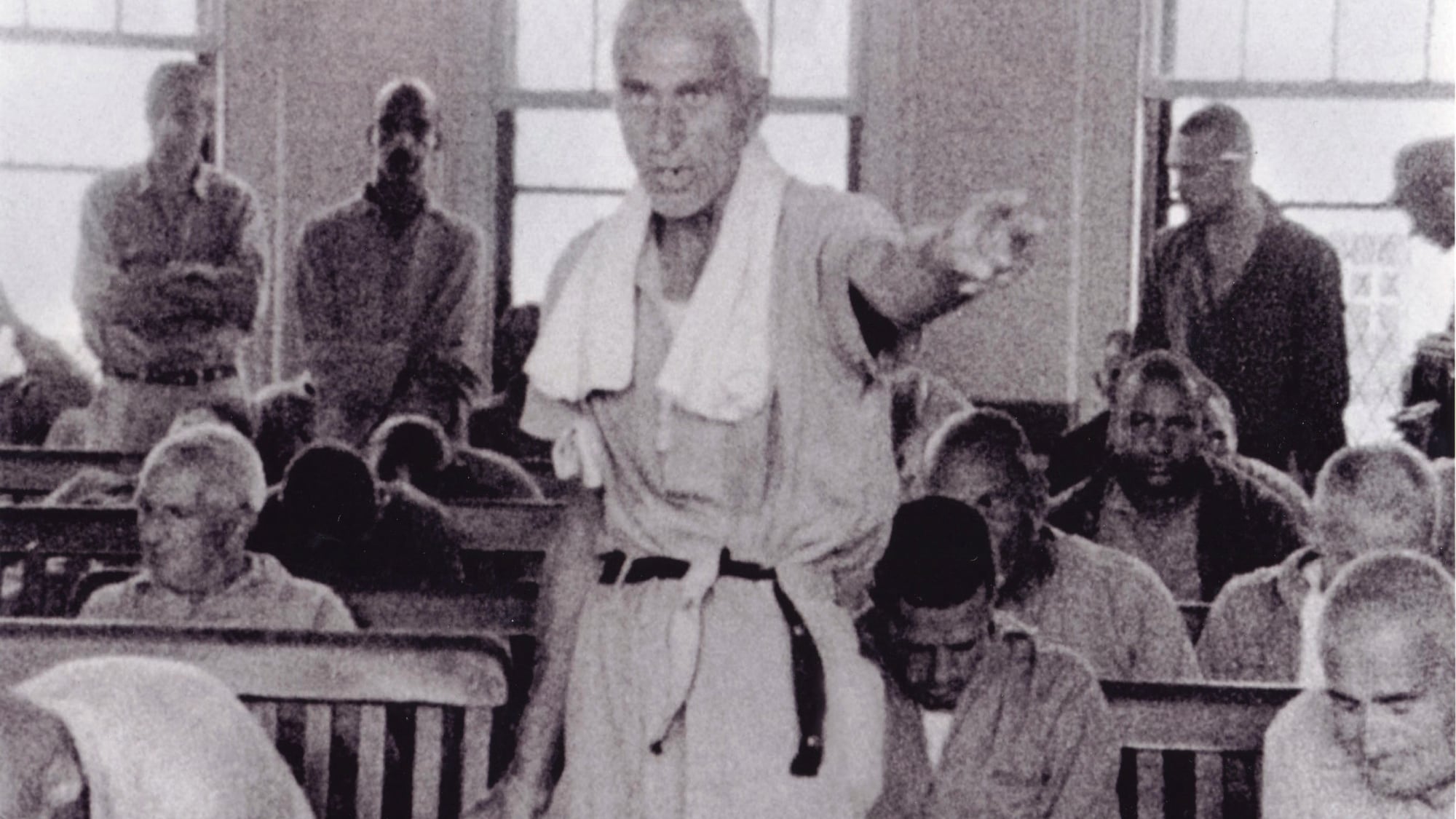
Frederick Wiseman, who died in February at age 96, is one of the most revered figures in the world of documentary filmmaking. Beginning in 1967 with Titicut Follies—which highlighted the appalling conditions inside a Boston mental institution—and ending with the haute cuisine-focused Menus-Plaisirs – Les Troisgros in 2023, the Boston filmmaker used a distinctive and challenging style to explore the functioning of institutions in the United States and beyond.
A marathon screening of 44 of Wiseman’s films—nearly his entire filmography—will screen 24/7 from 7 pm April 29, through Monday, May 4, at the Sunnyside Community Center. (A full schedule of planned screenings is available on the event website.)
“He’s got more than 40 films, so there aren’t many other filmmakers really suited to that kind of marathon format,” says Sam Doty, executive director at NW Documentary, one of the organizations behind the event. “It’s daunting, which is kind of what makes it fun.”
The marathon, which runs in chronological order through his career, is a collaboration among NW Documentary; the Dennis Nyback Archive, the sprawling collection of 16 mm films amassed by the late Portland archivist who gave it its name; and Spectrum Between, which exhibits experimental films in Portland.
Though the typical Wiseman film is a little less avant-garde than the films Spectrum Between founders Brendan Nagle and Shannon Neale typically exhibit—their inaugural event last year featured screenings of Hollis Frampton’s Wavelength and Michael Snow’s (nostalgia), landmarks in the out-there field of structural film—the documentarian’s work still presents a few hurdles to filmgoers unfamiliar with his work.
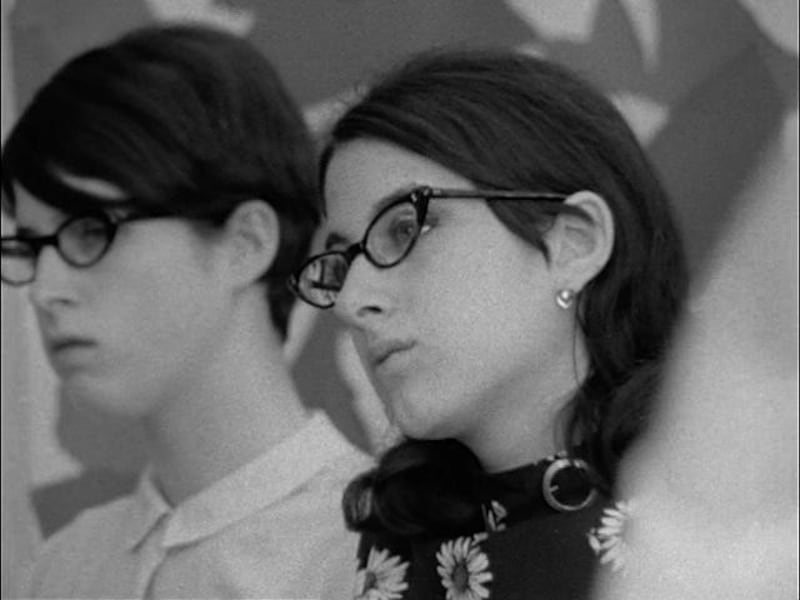
His films are often long, with many running three to six hours with intermission. There’s no benevolent narration floating overhead, no text to identify who’s speaking at any given time; instead, Wiseman immerses himself in a situation and trusts the audience to sort through the pieces.
“I think it’s natural to be intimidated, because his films might not have some of the guardrails other documentaries might have as far as giving you a really firm context,” Nagle says. “But I think what’s amazing is that he’s really trusting his audience to experience his films and make what they make out of them.”
Wiseman films are often named after the institution or social issue they explore: Welfare, Domestic Violence, City Hall, Hospital, Public Housing. Plunging into a scenario for months at a time with no preordained thesis in mind, Wiseman and his crew often accumulated hundreds of hours of footage per film, inhabiting a space for long enough that his subjects forgot they were on camera and spoke freely and uninhibitedly.
“I think there’s this question about how the camera affects people and affects behavior, and maybe a skepticism,” Nagle says. “Are these people being real or are they playing to the camera? That’s a fundamental question with documentaries in general, but I think it really especially comes up with his films, because it really does feel like you’re observing people. It doesn’t feel like they’re being impacted by the camera.”
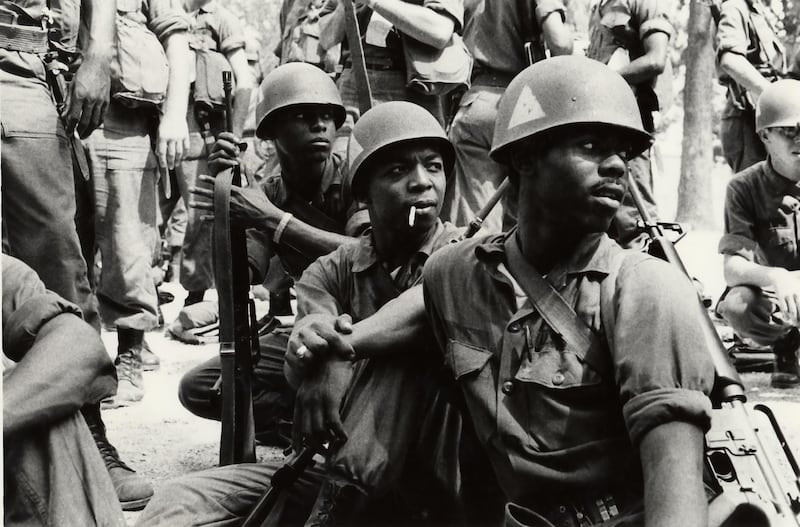
Nagle and Neale first came up with the idea to screen Wiseman’s work when the director began showing restorations of his films in major cities like New York and Chicago.
“Shannon and I were really disappointed that nobody in Portland picked up any of those,” Nagle says, “so we decided we should just do it ourselves.”
In January, a few weeks before the director’s death, Nagle and Neale screened Aspen, Wiseman’s documentary about the famed Colorado ski town, at 5th Avenue Cinema in Portland.
“We sold out the screening,” Nagle says. “People were really excited. It was the biggest audience we ever had. That demonstrated to us that there’s an interest here in his films.”
Following the success of the screening, NW Documentary reached out about collaborating on a marathon of Wiseman films. NW Documentary, active since 2003, is a local nonprofit focused on providing documentary and storytelling workshops in the Pacific Northwest; according to Nagle, they’d already been bouncing around an idea for a Wiseman marathon.
Drawing from the Nyback Archive and NW Documentary’s vast DVD collection, the two groups set about curating the ultimate tribute to the late giant of documentary film. The events are all free, but RSVPs are already going fast.
“I think in Portland, we punch above our weight in a lot of ways when it comes to art,” Nagle says. “I think there are a lot of people here who are really enthusiastic and interested and curious and are willing to experience something new.”
SEE IT: Frederick Wiseman: 44 Films in 6 Days screens at Sunnyside Community Center, 3520 SE Yamhill St., NWdoc.org/wiseman44 or @wisemanmarathon. 7 pm Wednesday, April 29, through May 4. Free with RSVP.