Skip to main content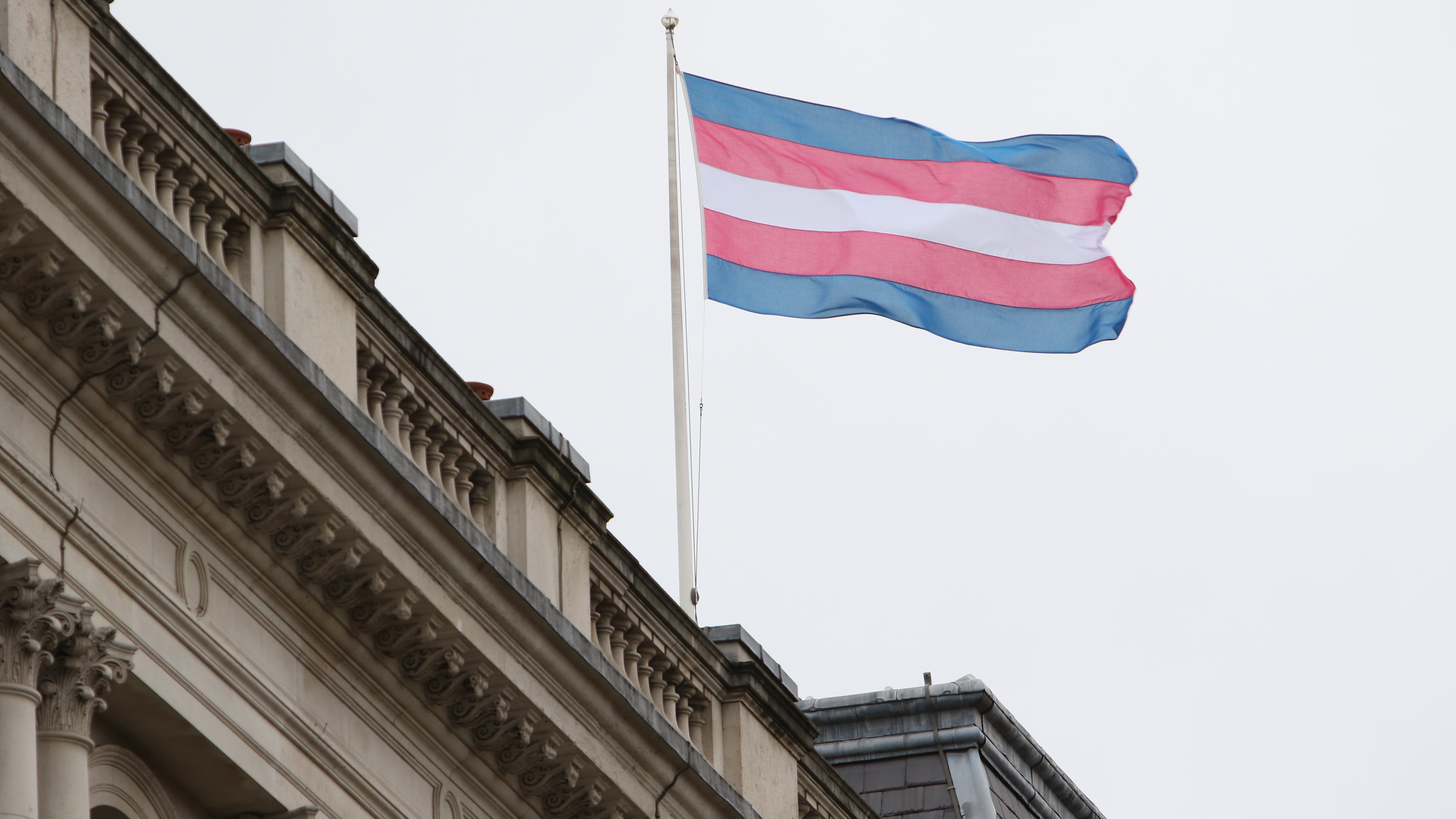
Like so many others, one of the unspoken reasons I moved to Portland was because of the city’s queerness. Although I hadn’t realized it yet, my intuition was screaming at me to be around these people, this feeling. This experience is served to me in bite-sized pieces every time I see a gender-nonconforming person, and because I live in Portland, that happens every day.
In Queer Phenomenology, Sara Ahmed, feminist writer and independent scholar, wrote about what it means for bodies to be situated in space and time. In exploring the physical and symbolic paths we take, she wrote: “The path is made out of footprints—traces of feet that ‘tread’ and that in ‘treading’ create a line on the ground. When people stop treading, the path may disappear. And when we see the line of the path before us, we tend to walk upon it, as a path ‘clears’ the way. So we walk on the path as it is before us, but it is only before us as an effect of being walked upon.” She goes on to describe complexities that are far beyond the scope of this tiny love letter to Portland. But the point is clear: Trans folk across Portland are clearing the way for one another.
When I see gender-nonconfirming folk on the street, in the grocery aisle, or at the park, I see a story bigger than me. I see where I’ve been, where I am, and where I might go. My shoulders lower, my jaw relaxes, and I get a little smile on my face.
I experience raw joy—maybe not a lot of it, but it’s highly concentrated. I also see a city that nourishes queerness so deeply people see Portland’s paths from thousands of miles away.