Skip to main content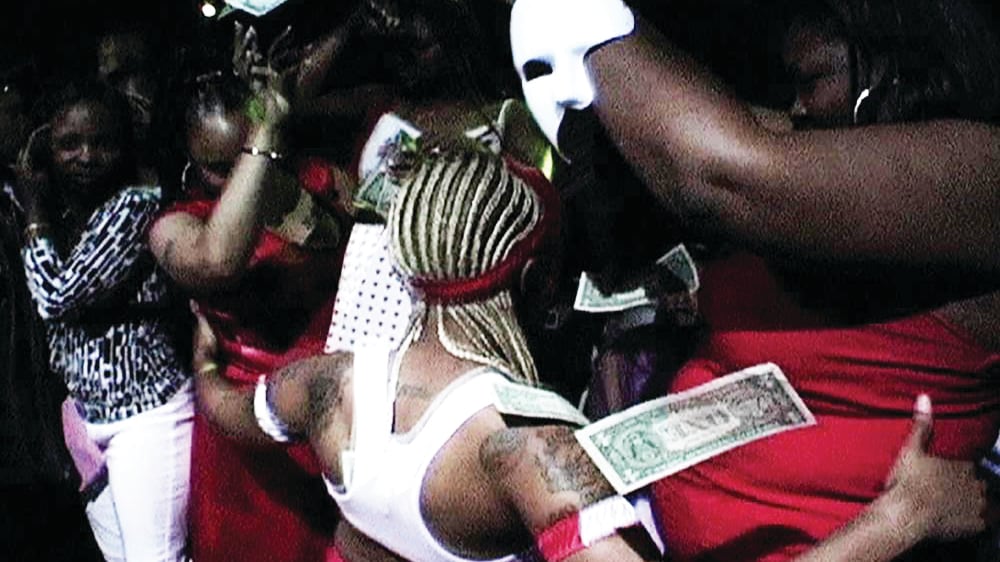
Last summer, Noname Deshong was looking for creative ways to raise funds for their top surgery. They looked to their personal VHS collection of lesbian films, landing on Cheryl Dunye’s The Watermelon Woman from 1996, the first feature film ever directed by a queer Black woman, and began planning a kind of benefit screening.
Deshong made an Instagram to promote the event. They called it Lesbian Cinema Club. Within a day or two, more than 100 people dm’d the account hoping to nab one of the 25 spots available.
The plan was to show the movie in a friend’s backyard, improvising a theater with whatever they had: camping gear, mismatched chairs borrowed from a few dining rooms. The VCR played into a laptop that fed into a projector casting the film’s image on a vintage roll-up screen.
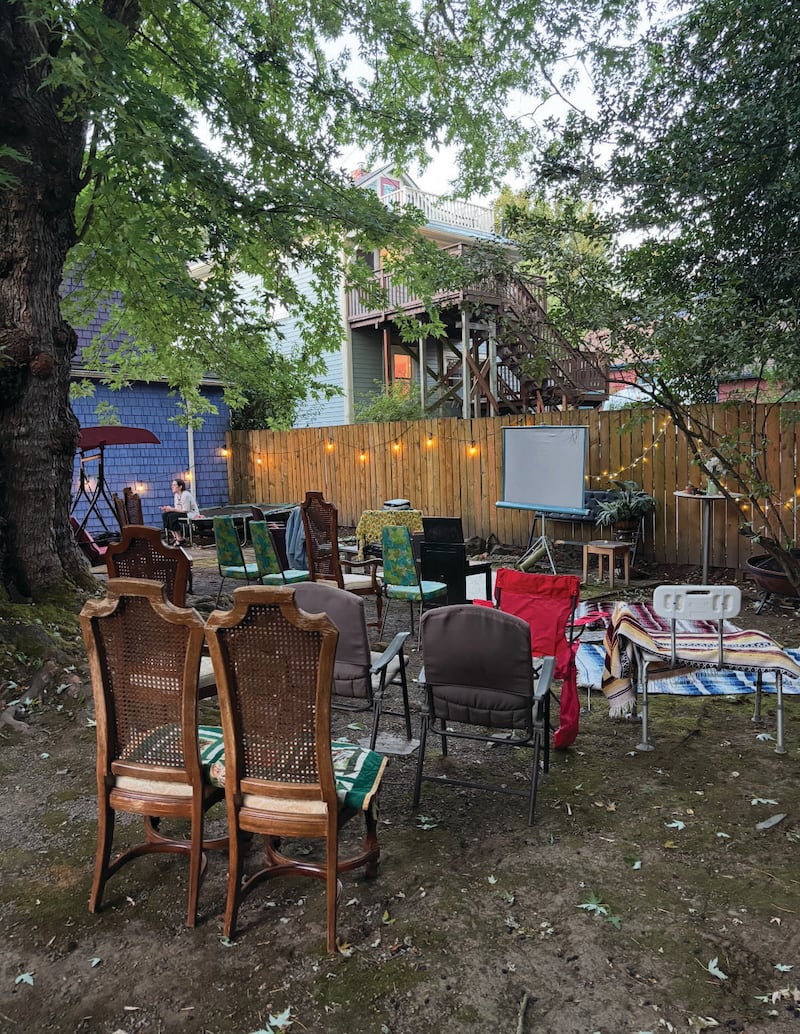
Deshong introduced the film and made zines and hand-printed posters based on The Watermelon Woman, which they sold out of an old briefcase on a folding table.
“It was really DIY and there were a lot of technical difficulties,” Deshong tells WW. “But people were so sweet, and it felt very familial.”
The backyard screenings continued through the summer. Even as they added more slots, RSVP lists filled up in minutes.
“I feel like the Portland that I came to a year ago didn’t have as many dyke events,” Deshong tells WW. “I remember a lot of people talking about how they really wanted something like this.”
After two months of backyard screenings, Deshong met Joanna Sokolowski. Sokolowski is the head of programming for the Portland Art Museum’s cinema and new media wing, the Center for an Untold Tomorrow, a job that includes coordinating screenings at the Tomorrow Theater. While the Tomorrow is a movie theater, much of its programming revolves around groups and clubs and subcultures, gathering them around movies. The Lesbian Cinema Club fit into the calendar perfectly next to drag bingo, crafternoons and regular filmmaker Q&As.
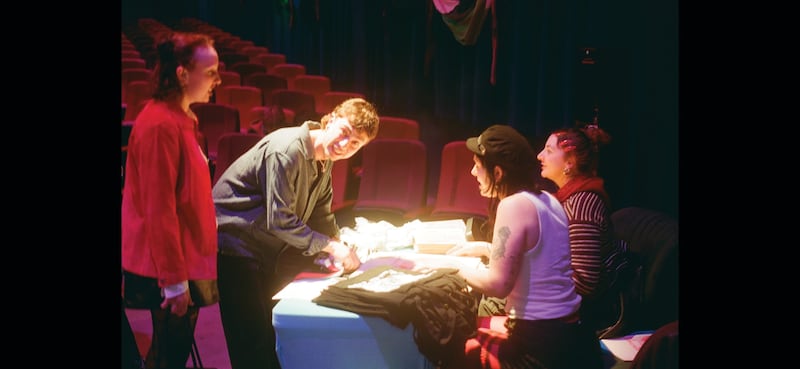
After a short hiatus, Deshong showed a collection of Cheryl Dunye’s short films for the first Lesbian Cinema Club at the Tomorrow in December, and sold out the 276-seat venue.
“They had already fostered an amazing community, they just needed the chance to grow,” Sokolowski tells WW, adding that many viewers come back month after month.
Deshong prioritizes films by queer directors that are hard to find online or on regular streaming platforms. Discovery and education are huge aspects of the club, and Deshong has a talent for getting crowds excited about relatively obscure works. Whether attendees have heard of the films is almost beside the point. It’s Deshong’s stamp of approval that gets filmgoers in the door.
In June, the club screened Shakedown, Leilah Weinraub’s 2018 documentary about the Black lesbian strip club in Los Angeles of the same name. Weinraub, a Shakedown regular, interviewed the club’s staff over 10 years, and made the doc an intimate, long-form record of the community that formed around the club, which closed in 2004.
Shakedown screened at some international festivals and in a few museums, but it never had an official theatrical release. For a moment, you could stream it on Pornhub (it was the first nonpornographic film on the site), and then the Criterion Collection picked it up in 2020.
“The story of Shakedown was important to Leilah because it was also her story,” Deshong says. “It was the people she loved. When it comes to our queer historians and artists, we need them to be people like Leilah who are preserving that history as a genuine act of love.”
Ahead of each screening, Deshong does a deep dive of research on the month’s featured filmmaker, preparing an introductory spiel and writing a zine interspersed with photography and historical context.
The zine Deshong made to accompany Jenni Olson’s experimental documentary The Joy of Life (2005), about a butch lesbian’s life in San Francisco and the history of suicide on the Golden Gate Bridge, features an interview with the filmmaker. In the zine, Deshong introduces their own personal history with the film and what it meant to them, as well as asks Olson about her history with queer filmmaking.
Creating a specifically lesbian-centric club came from a desire to eventually create and build a lesbian media archive. It wasn’t just about showing off their VHS collection of lesbian cinema. It was about the preservation of queer media (“some of the most radical and fascism-shattering material that we have”) and coming together to consume it and talk about it. That kind of community, Deshong says, is what sustains queer culture.
Deshong says dozens of attendees have approached them after screenings to share what the club means to them. One attendee said a series of shorts by the feminist director Barbara Hammer, whose work promoted the female gaze and rejected bodily shame, changed their daily life. They’ve been walking around their apartment topless ever since.
GO: The Lesbian Cinema Club screens Go Fish at the Tomorrow Theater, 3530 SE Division St.,tomorrowtheater.org. 7 pm Thursday, July 9. $15. All ages.