Skip to main content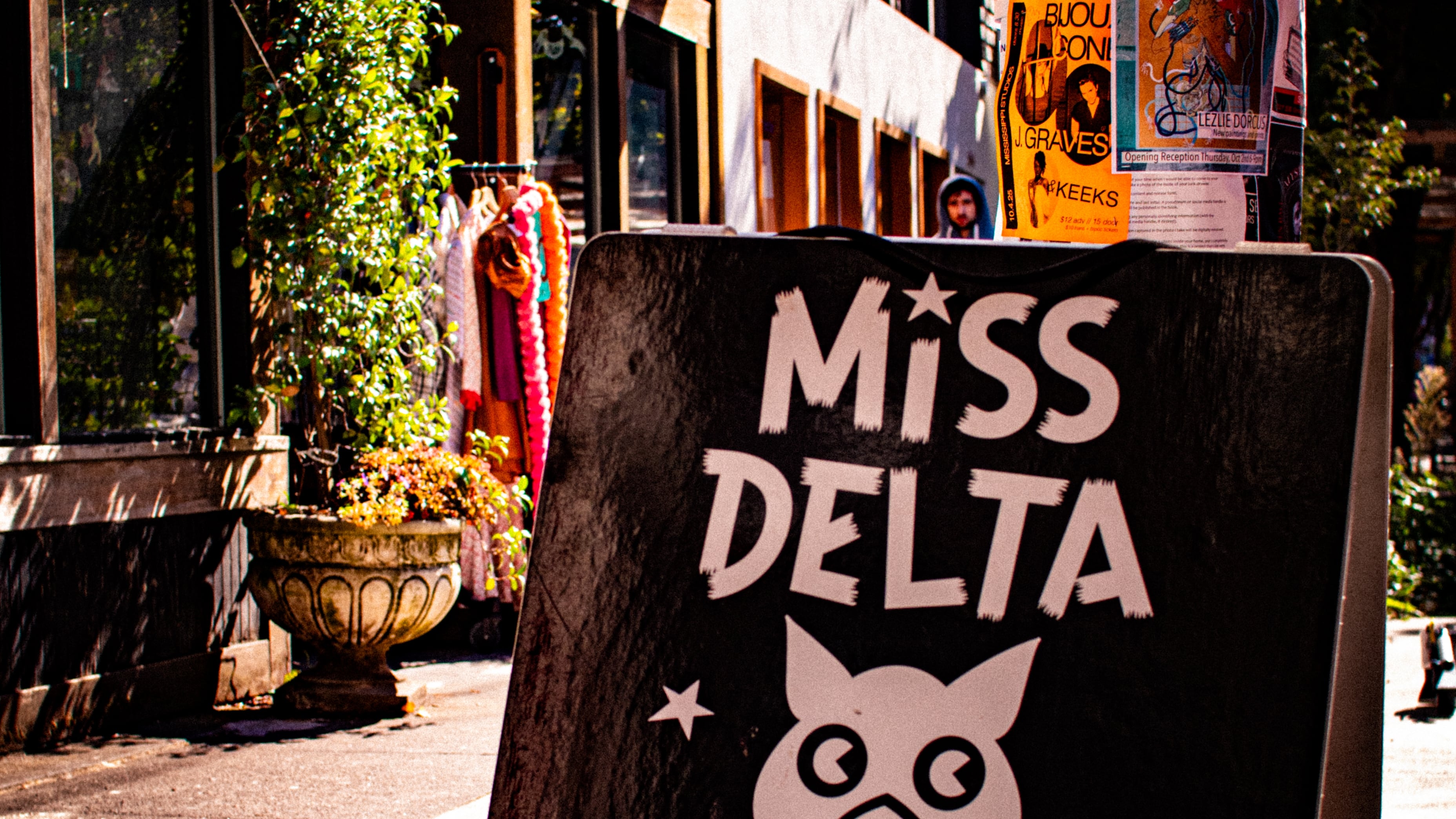
On Miss Delta’s final day of service, it looked like anything but a business fading out.
Meals on Wheels Diners Club members lined up before lunch in early July for one last time. Former employees came through to say their goodbyes. Regulars told owner Marcus Oliver it would be strange not to see Miss Delta on North Mississippi Avenue anymore, after so many years of jambalaya, fried chicken, barbecue and neighborhood familiarity.
“We’ve been a cornerstone of Mississippi for so long,” Oliver says.
Miss Delta closed during an especially tumultuous time for Portland’s food and drink scene. Ambitious newcomers and established neighborhood spots have closed one after the next—nearly a dozen in the past few months alone. Alpenrausch, the Olympia Provisions–backed Alpine restaurant that Bon Appétit named one of the best new restaurants in America in 2024, closed in May. So did The Uncanny, the trippy cocktail lounge just one block south of Miss Delta that Esquire called one of the best new bars in the U.S. in 2024. After 18 years in business, EastBurn closed last month, as did downtown brunch restaurant Grits N’ Gravy, and Concordia cocktail bar Take Two closed earlier this month.
While each closure has its own story, together they signal an alarming trend: Restaurants are raising prices to keep up with food, labor and operating costs at the same time that patrons, minding their own pinched wallets, visit less often and spend less per visit.
Miss Delta is a significant bellwether within that wave because its model seemed so sturdy: small, familiar, regular-driven, deeply embedded in the neighborhood, and useful to the community beyond dinner service. Even that, Oliver says, no longer added up.
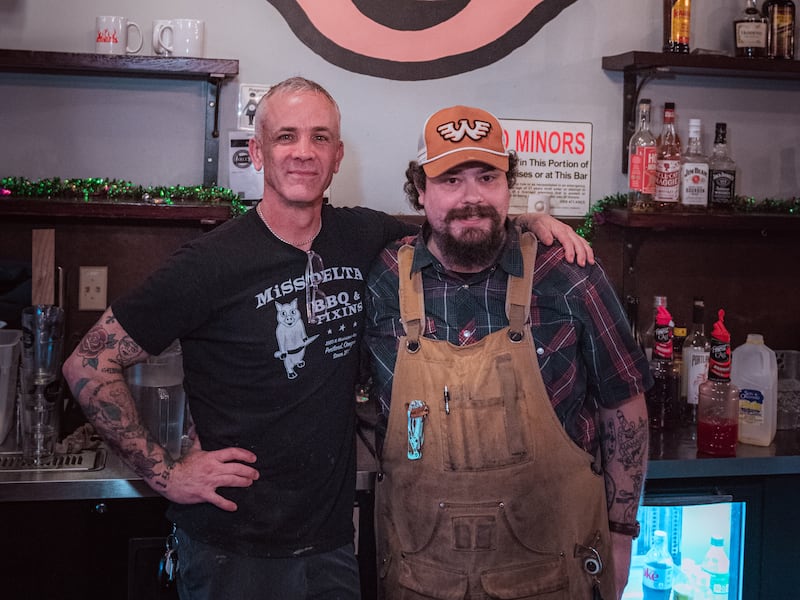
Miss Delta began in 2007 as a smaller offshoot of Delta Cafe in the Woodstock neighborhood, originally envisioned as a polished, intimate version of that Southern restaurant. Oliver bought it in 2011. His family came from Alabama, and he describes the food that shaped him as “homey, grandma cooking.” Before Miss Delta, he had worked through several corners of Portland’s restaurant world, including at Wildwood, Clarklewis and the Country Cat.
At first, that background showed up in specials like red wine–braised beef, smoked clam chowder and soft-shell crab po’boys. Some dishes worked creatively, he says, but they were not always cost effective, nor did they match what customers wanted from the room.
“It just wasn’t this place,” Oliver says.
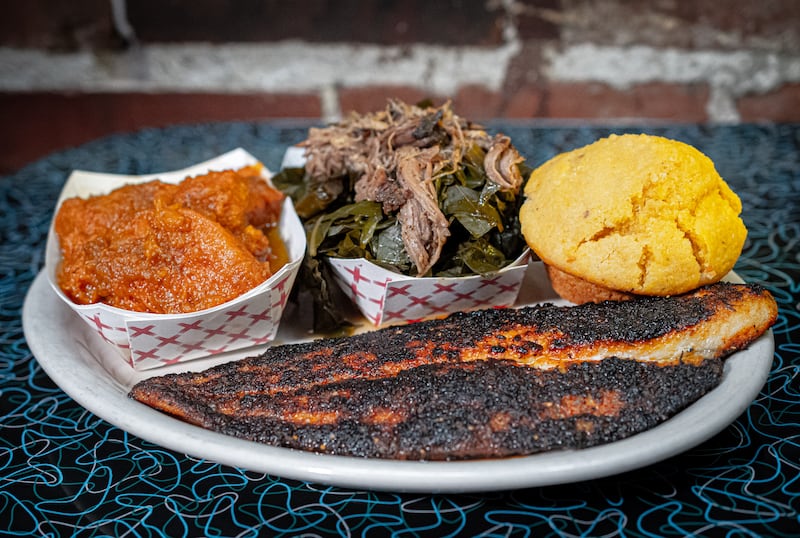
Over time, Miss Delta became less experimental and more reliable. Oliver added barbecue “just for fun,” and it stuck. The restaurant held Mardi Gras parades and hosted bands, and the menu tightened around regulars’ favorites: jambalaya, catfish, fried chicken, barbecue.
Consistency became the goal.
“You came in and you got that same jambalaya every time,” Oliver says. “It never tasted different. You got the same catfish. You got the same fried chicken—never changed.”
The model was also a natural fit for Meals on Wheels People’s Diners Club, a program that partners with restaurants in Multnomah, Washington and Clark counties to give adults over 60 a place to dine out and socialize on a pay-what-you-can basis.
“I really loved it,” Oliver says. “It helped our lunchtime business a lot.”
In time, Miss Delta became part of the street’s routine, even as North Mississippi Avenue changed around it.
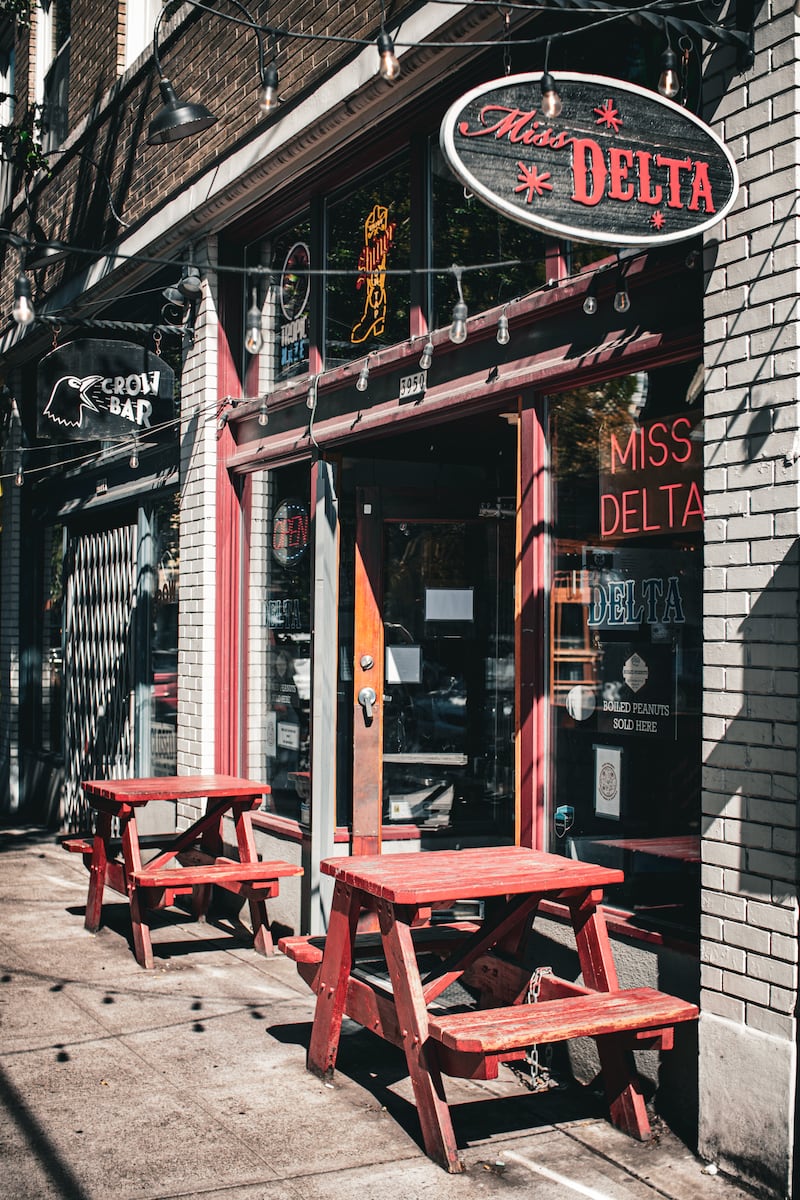
Like many other restaurants, Miss Delta had its best year in 2019. Oliver says annual sales hit around $1.7 million, despite the restaurant’s small size. In 2024, after the pandemic, Oliver says, the restaurant had climbed back above a million dollars in annual revenue, but the rebound was short-lived.
In 2025, rising food and operating costs drove menu prices higher and slashed margins. The restaurant lost a quarter of its revenue compared with 2024. Saturdays that once brought in $6,000 to $7,000 barely reached half of that. Regulars still showed up, but less often, and check totals were considerably lower.
“Instead of two times a week, they’d come in two times a month,” Oliver says. “And instead of buying beers, appetizers, entree, dessert, they would buy an entree.”
All at once, the no-frills model built around the community’s desires fell apart.
It wasn’t one thing, but an amalgam of increased operating costs across the board. Oliver says his food costs rose about 35%. Delivery apps, a new reality since COVID, took 25% to 30% of each order, requiring higher online prices. Recurring licensing and permitting costs went up in 2026, too, including to maintain a sidewalk cafe area (from $9 to $10 per linear foot) and health inspections, which increased by roughly one-third after being frozen since 2020.
National data suggests Oliver is not alone in feeling squeezed. In its 2026 State of the Restaurant Industry report, the National Restaurant Association reported that more than 9 in 10 operators cited food, labor, insurance, energy and credit card fees as significant challenges.
The same report found 42% of operators said their restaurant was not profitable the previous year.
But Oliver’s frustration extends beyond food costs and decreased sales. Repeated break-ins, including four within roughly six months between 2023 and 2024, and the broader perception that Portland has become a harder place to visit, even for nearby Vancouverites he used to count as regulars, added to the strain.
“Whether it’s real or not, the image is there,” Oliver says. “And so we’ve seen the effect.”
Now, Oliver says, he is looking forward to a rest. He has worked six or seven days a week for most of his adult life. His son graduated from high school this year, and he wants more family time. He wants a schedule that coincides with his wife’s for the first time in their 26 years together.
When asked if he’d advise against opening a restaurant in Portland right now, Oliver was cautious, saying he would want to sit down for a serious conversation first.
“I would never tell anybody not to follow their dream,” Oliver says. “But I would say to people right now, it’s a lot harder than it used to be.”
What he hopes people remember most isn’t only the food, though he wants them to remember that too. He hopes they remember the community part: the schools Miss Delta supported, the regulars, the staff, the elderly diners, the neighborhood table it became.
“That was my goal,” Oliver says, “to be a big part of the community, not just feed them.”