Skip to main content
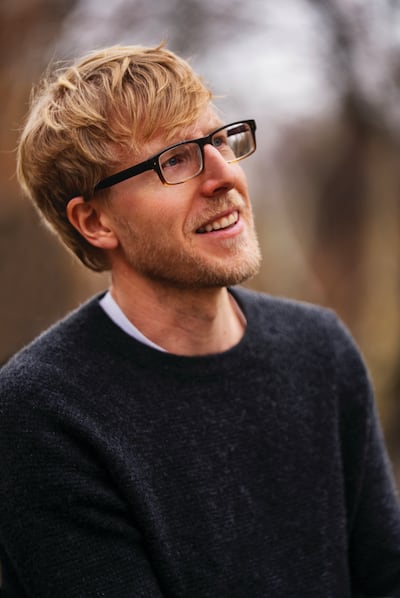
Matthew Wolfe wrote his first book while a fellow at New York University. But he first caught wind of its subject years before, as a teenager in Marin County, Calif. “When you’re a teenage boy,” he tells WW, “the idea of a number of righteous vigilantes setting fires at night in furtherance of a righteous cause seems pretty cool.” Unlike recycling or turning out the lights when you leave the room, property destruction was an act that felt commensurate with the threat of planetary destruction. “I have more complex views about it now,” Wolfe says, after more than six years researching the underground arsonists of the Earth Liberation Front, who in the 1990s mixed “vegan Jell-O” in milk bottles and used it to ignite empty buildings as revenge for forests and woodland creatures. Weeks before the publication date of Fires in the Night, Wolfe talked about why ELF found fertile soil in Oregon, which elves unexpectedly talked about their crimes, and why futile and stupid gestures have eternal appeal. The interview has been edited for brevity and clarity.
WW: Was there something about Eugene in the 1990s that made it especially ripe for this kind of activity?
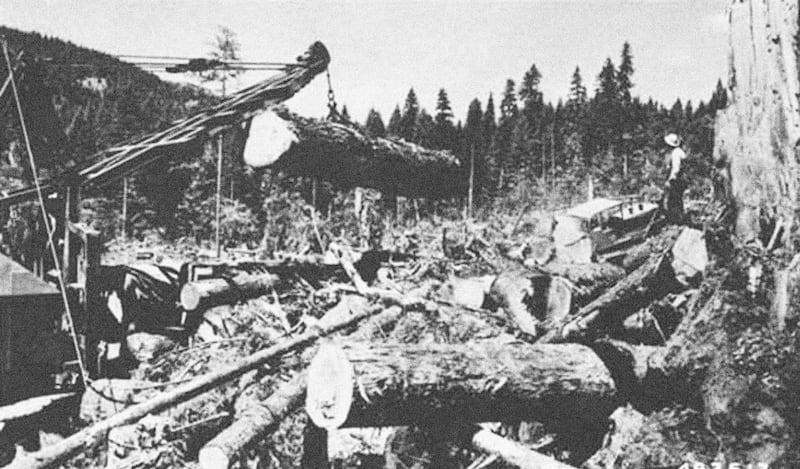
Matthew Wolfe: Totally. It was this unique place where a long tradition of radicalism, centered around the University of Oregon, came crashing into capitalism—which is Eugene’s history as a logging town. You had a lot of people for whom their livelihood was based on cutting down trees and a lot of people for whom trees were sacred. And that created a lot of fights. It was also where the Earth First! Journal, the organ of the radical environmentalist movement, was being published at that time. So it was a real tinderbox for environmental conflict, and a place where a lot of people were coming, as one activist put it, to really get into the shit.
You had crust punks and you had anarchists and you had overeducated graduate students, everybody kind of creating this weird golden-hued world that could only exist in the ’90s. There was a real sense that I think we’ve lost now, but was very pervasive then, that there was a real opportunity to change the world, or that things could be different. Eugene felt like a place where you could really try and put that into action. From a pretty jaded perch 30 years on, it was fascinating to hear people talk about it.
Did you find yourself still feeling some sympathy for the ELF’s point of view after all this research?
I feel very sympathetic to what they were trying to accomplish. I have incredibly mixed feelings about the methods they used to do it, and they obviously didn’t work—or they didn’t have the effect that they wanted them to have. But I think what they were trying to do came out of a very prescient assessment: We were failing to fix the urgent, destructive problems that we were facing. They were very right about that. I don’t think anybody in the ELF thought setting fires was absolutely going to be the magic solution that makes everything right. It was really an act of desperation.
When you talk about desperation, it’s very easy to sense echoes of the ELF in the anarchist property destruction in Portland in 2020 or the combat with ICE in South Waterfront. Do you spot any other parallels between radical movements then and now?
I think a lot of property destruction or political violence comes out of a sense that politics as usual has failed. You’re seeing that more and more now, as traditional ways of trying to make change or trying to address problems feel increasingly futile—and not just among radicals, among most Americans. Something’s an issue? Just call your congressman or be sure to vote. I think we’re at a moment where that feels naive or just deeply insufficient.
What person talked to you who you weren’t expecting would?
I prefer not to spoil the ending of the book, but certain members of the ELF are persona non grata in the activist community, none more so than Jacob Ferguson. And he was somebody who had not given an interview in a long time. But Ferguson ended up being very willing to answer a lot of questions about his involvement. I think I got lucky, in the sense that enough time had passed that a number of people in the movement were in a reflective mood. As happens when you’re involved in something important, but maybe a little bit nebulous, you get to a point where you want to try and understand: What was that? What happened?
A lot of the stories of these people ultimately are quite poignant. They set out to change the world, and not only did that effort fail, but things got worse. And kind of the way they anticipated they would get worse. I found myself very sad.
I’m not exactly happy to hear that, but that was sort of how I felt writing it. The story of the ELF really has the shape of a classical tragedy. I mean, hubris and all, but they came together to try and do something that they understood as righteous and it ended in their destruction and, to a degree, the destruction of the movement that they really loved. So I think that’s an appropriate response to it. Obviously, what they were trying to do didn’t work, and we’re all living in the wreckage.
What do you think happened to Josephine Overaker?
I know as much as anybody does. The last the FBI said was that she was maybe tending sheep somewhere in Spain. And I think that’s a wonderful image of a fugitive. My best guess would be that she’s probably alive and out there, and maybe living her very best life.
GO: Matthew Wolfe in conversation with Leah Sottile at Powell’s City of Books, 1005 W Burnside St., 800-878-7323. 7 pm Wednesday, July 1. Free.