Skip to main content
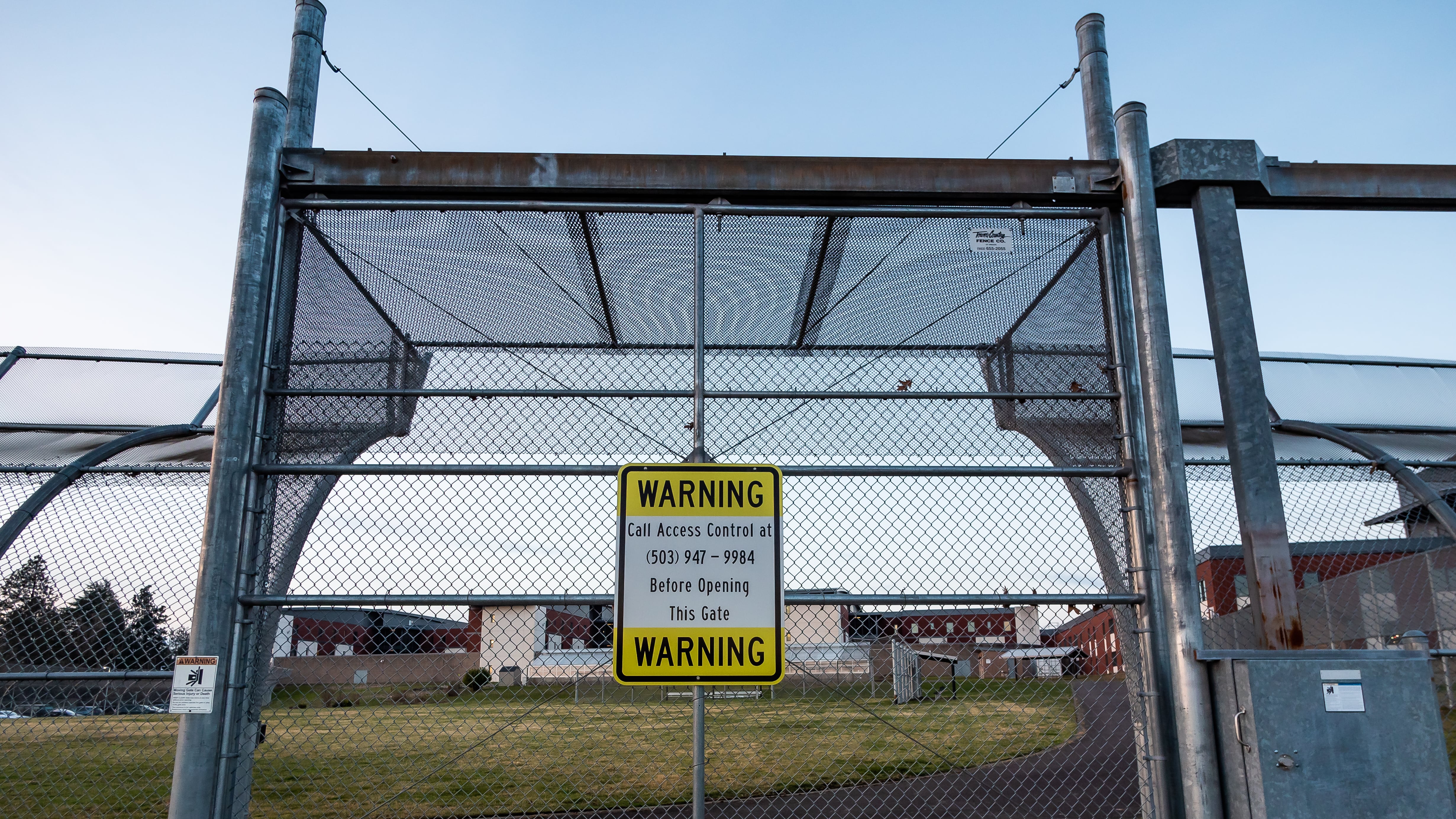
OREGON STATE HOSPITAL SPINOFF BREWS: Newly reelected Gov. Tina Kotek last week declared the bills her office would push in the state’s coming legislative session. Among the first? Stand up Oregon State Hospital, the state’s highest-level psychiatric institution, as its own separate agency, removing it from Oregon Health Authority control. If enacted, the plan would dramatically shrink the size of OHA—this budget cycle, the state hospital was allotted 2,995 of the agency’s 5,997 positions—though it would hardly be the first time the hospital has changed management. Since its birth in the 19th century, the storied institution, which has its main campus in Salem and these days gets most of its patients from the criminal justice system, has been run by a medley of boards and public bodies, including the state Department of Human Services, until it moved under OHA shortly after that agency was created in 2009. Boosters of the spinoff plan say the hospital has always been an awkward fit in an agency primarily dedicated not to providing health care but to regulating health policy. A spokesperson for Kotek says, “The current placement of OSH as a division within OHA is constraining the focus, capacity, and accountability needed to set a new course.” The governance change, says Chris Bouneff of mental health policy group NAMI Oregon, is “probably overdue.” Whereas most hospitals have a board dedicated to ensuring they meet their mission, Bouneff says, OSH effectively has a board of one: OHA’s director. And he says changing this fact has risen from a loose idea to an actual brewing policy concept in recent months due in part to the “ineptitude of our previous OHA director”—Dr. Sejal Hathi—who had “no experience running a psychiatric hospital.”
DEMS SCRAMBLE TO CHALLENGE FAHEY: Salem is abuzz these days over possible challenges to House Speaker Julie Fahey (D-West Eugene), who’s held the speaker’s gavel since 2024 but has taken heat for recent legislative disappointments, such as the failure over the past two years to enact a comprehensive transportation funding package. Aspirants include Rep. Daniel Nguyen (D-Lake Oswego), who confirmed his intention to run for speaker to WW. “We are at an inflection point that requires bold leadership,” Nguyen writes. “Oregon’s revenue system is held together by Band-Aids, and I think we are overdue for a comprehensive, public discussion on how to modernize our tax structure if we want to make progress in education, health care, economic development, transportation, housing and all our shared priorities.” Also in the mix are Majority Leader Ben Bowman (D-Tigard) and Rep. Thuy Tran (D-Northeast Portland), as first reported by the newsletter of lobbyist and former Oregon lawmaker Rick Metsger. The Dems of the lower house will vote on leadership positions, including speaker, in two weeks at their biennial retreat. With the 2027 legislative session set to start in January, hopes are high the party can find cohesion on a number of substantive issues like expanding mental health treatment capacity and improving K–12 student success. The Dems picked up two seats in this month’s midterms to claim 39 of 60 seats in the House of Representatives—but those gains are thought to have had more to do with nationwide distaste for the MAGA brand than an endorsement of Oregon’s Democratic lawmakers. Asked at a recent press conference whether Fahey should continue as speaker, Gov. Tina Kotek declined to comment.
PROSPER PORTLAND UNION REQUESTS INVESTIGATION OF EXECUTIVE DIRECTOR: The union representing employees at Prosper Portland is calling for Mayor Keith Wilson and the Prosper board of commissioners to hire an independent investigator to look into three contracts executive director Cornell Wesley awarded to longtime friends during his first year on the job. The three contracts, which did not go through a competitive bid process and total $456,000, went to two of Wesley’s friends from college; the contracts also did not go in front of the board. AFSCME Local 3769, which represents roughly 60 Prosper employees, said in a statement that its members are “concerned about these contracts.” Union spokeswoman Karly Edwards wrote: “All public agencies have the obligation to honor the public trust, and be sober stewards of public resources. It is important that any public servant avoid both real or perceived conflicts of interest, whether that be in hiring, contracting, or the treatment of staff.” Though the agency already conducted its own review of the three contracts—in which staffers who report directly to Wesley found he acted aboveboard—the union says a third-party investigation is needed to restore public trust. Wilson said he would honor the union’s request once he heard from it directly. Board chair Tavo Cruz says he hasn’t heard from the union directly and therefore would not say whether the board intends to hire an investigator.
SEISMIC DOLLARS WILL BE REALLOCATED UNDER SCHOOL CLOSURE PLANS: Portland Public Schools officials have faced many questions during the school closure process, including from Safe Structures PPS, a group of parents who advocated committing $100 million in the 2025 school bond to seismic retrofits at schools serving the district’s younger grades. The group spoke up again recently, after PPS shared it was weighing whether to close Rose City Park and Beach elementary schools. Those schools are targeted in PPS’s Scenario A, and Beach also appears in Scenario B. Yet both received significant amounts of money from the 2025 bond for retrofit work; KATU has reported Rose City Park’s retrofit is slated to cost $40 million, while Beach’s would cost $10 million. At a Nov. 9 facilities meeting, district officials called on Jennifer Eggers, a structural engineer at the firm Holmes, to give an overview of what might happen to the money allocated to these projects. (PPS has worked with Holmes to produce seismic risk assessments of its buildings.) If the district realizes seismic dollars from both elementary schools in Scenario A, Eggers said it could make seismic upgrades to nine elementary and middle school buildings, several of which contain unreinforced masonry. If only Beach shutters under Scenario B, Eggers said Duniway and Rieke elementary schools would receive the reallocated dollars. The district also plans to apply for state dollars to upgrade two parts of Rieke’s building. “These [buildings] were selected based on prioritizing upgrades for campuses receiving schools and also highest-risk parts or elements in the district, all to fit within the budget available to reallocate,” Eggers said.