Skip to main content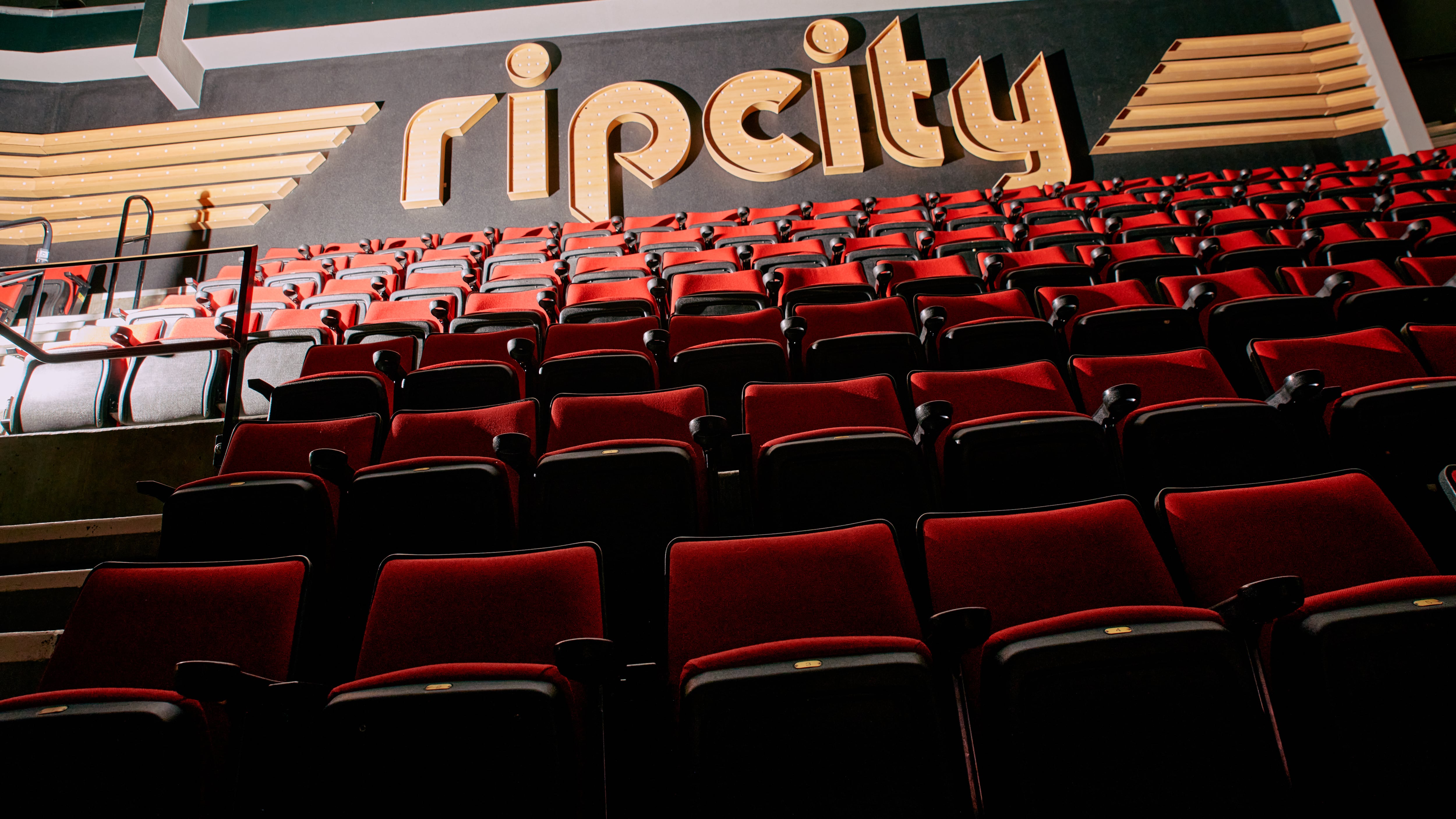
The Portland City Council submitted written testimony last week urging the Oregon Legislature to pass Senate Bill 1501, which would provide a mechanism for the state to form a plan to fund an overhaul of Moda Center in an effort to keep the Portland Trail Blazers in town.
“The City of Portland is fully committed to this renovation,” the 12 city councilors and Mayor Keith Wilson wrote in a Feb. 12 letter, previously unreported. “We are advancing a large local investment in capital and operating costs over the life of the investment, in close coordination with the Trail Blazers, regional governments, organized labor, community organizations, and state leaders to deliver strong community benefits and a clear path forward.”
The team’s impending owner, Texas billionaire Tom Dundon, has not said publicly whether a renovation of Moda Center is a prerequisite to keep the Blazers in Portland, but NBA Commissioner Adam Silver has implied that without a renovation, the Blazers’ future in Portland is uncertain. That means the state is under intense pressure to pony up in the current legislative session. Such a renovation is expected to cost around $600 million.
While the brunt of the funding is expected to come from state coffers, the city of Portland plays an important role in the conversation, too. After all, the arena is in the heart of the city, and other major renovations along the Rose Quarter—including development efforts by the 1803 Fund and the nonprofit Albina Vision Trust—are planned for the area around it.
Though all 12 of the councilors signed the Feb. 12 letter urging the Legislature to pass Senate Bill 1501 and referred to a “large local investment” by the city, they did not make clear what that investment is.
Of particular interest is whether the council would support using up to $75 million in revenue from the city’s climate tax, the Portland Clean Energy Benefits Fund, to help pay for renovations to Moda Center. That fund, intended to create jobs for people of color building infrastructure to lessen the effects of climate change, brings in about $200 million a year in tax revenues.
Mayor Keith Wilson is championing the idea (along with ongoing investments from the city’s general fund), as The Oregonian reported earlier this month. But it’s unclear if there’s enough appetite on the council to make it happen; a number of councilors have bristled at the notion of using any PCEF money for uses not directly related to climate preparedness (in prior years, the fund’s excess revenues have been used as a stopgap to fill holes in the city budget).
The councilors noted in their testimony to the Legislature that they are “fully committed to this renovation” and the council is “advancing a large local investment in capital and operating costs over the life of the investment,” but it provided no details about the nature of that investment or whether it would include PCEF dollars. The councilors now seem to be on different pages about what, exactly, they agreed to in the letter they all signed.
“I’ve been kept mostly in the dark on the details, although I understand that PCEF is part of the pitch coming from the [administration],” Councilor Mitch Green tells WW. “I’ve yet to see a concrete proposal. The sentiment in that letter describes a multistakeholder negotiation process, and I support us having those conversations. I’m eager to see these specifics brought into the light of the day so we can start communicating with constituents and each other about the tradeoffs and risks.” Green added that had the local investment referred to the $75 million PCEF proposal, he “would not have signed it.”
Councilor Eric Zimmerman says his understanding is that the “large local investment” referred to by the letter would be, in large part, made up of PCEF funds. All councilors, he says, were briefed that the investment would be made up largely of PCEF funds.
Council President Jamie Dunphy had the same interpretation, saying that the council’s letter is referring to PCEF revenues, “plus city redirecting taxes from the sale of the Blazers back into the facility in capital expenses, investment from Prosper Portland, and ongoing operations expenses from user fees on tickets and parking” at Moda Center. (Dunphy says the chairs of the PCEF Committee, which makes funding recommendations to the council, “are supportive so far of how the process has been rolled out.”).
Passed in 2018, PCEF, a sales tax imposed on companies that generate more than $500,000 in retail sales annually in Portland, was originally projected to bring in $60 million annually. Instead, it’s raked in, on average, $200 million a year, leaving PCEF coffers chock-full of money. Still, under Wilson’s proposal, the $75 million in PCEF revenues would be made up of funds already allocated to current and future projects, potentially leaving some projects in the lurch.
It’s not clear if the PCEF Committee, which makes funding recommendations to the city, supports Wilson’s idea. Should his plan materialize, the City Council would make the ultimate decision about its fate.