Skip to main content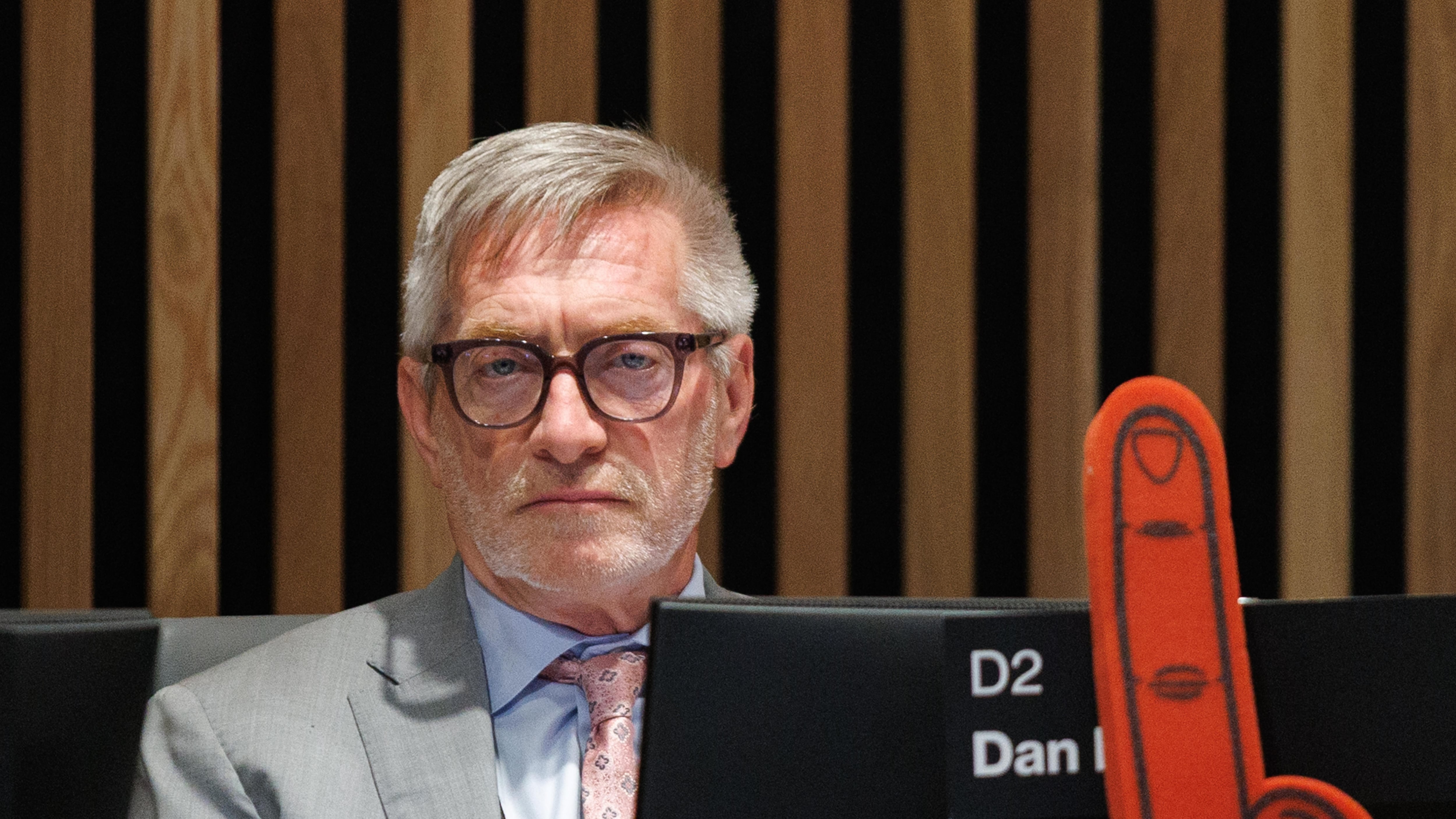
The Portland City Council on Wednesday approved a term sheet that in the following months will be used to negotiate an arena renovation and long-term lease deal with the Portland Trail Blazers.
In exchange for $120 million in initial city funding for an estimated $600 million renovation of Moda Center, the city is seeking a 20-year lease with the Blazers to ensure they remain in Portland for the foreseeable future.
The council this week decided on its starting demands as the city enters negotiations with the team and its new owner, Texas billionaire Tom Dundon. The most notable provisions are $3.1 million in annual rent from the team for use of Moda Center, which is a city-owned asset; an annual $3 million tax offset payment from the team that increases in subsequent years; and labor peace agreements for arena workers.
The council voted 8-4 to approve the term sheet and commit $120 million to the arena overhaul. It joins the state of Oregon and Multnomah County, which had already approved funding.
The term sheet does not bind the city to a specific funding source for the $120 million contribution. How the city funds the renovation is a critical piece of the deal: Mayor Keith Wilson initially proposed using revenue from the city’s climate tax, which is flush with revenue, but some councilors have made it clear the use of that money takes their votes completely off the table.
Councilor Steve Novick, who brought forth an amendment on Wednesday that increased the Blazers’ proposed rent from $2 million to $3.1 million annually, said he was happy with the term sheet.
“To me, this is a strong opening offer. But I’ve already signaled that I’d be willing to accept something that’s arguably less,” Novick said. “I’m pleased with where we are today.”
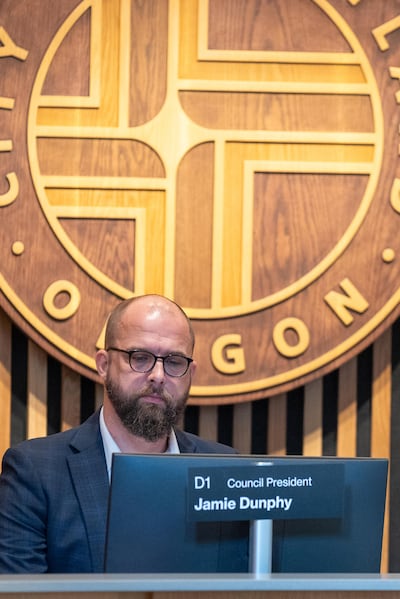
A handful of councilors said they were unhappy with the term sheet as it currently stands—but voted for it anyway, including Councilor Sameer Kanal and Council President Jamie Dunphy.
Councilor Elana Pirtle-Guiney noted that, if the city doesn’t sign a deal with the Blazers and they leave, the city would need to figure out what to do with Moda—in her eyes a far worse option than paying for an arena renovation. The possibilities could include having to renovate Moda anyway to attract large concerts and events, but without state or county support; not remodeling and letting the arena become less and less desirable to outside acts; or letting the arena fall into disrepair and eventually tearing it down.
“There’s a cost if we decide to tear it down,” she said. “And there is a cost, one I am completely unwilling to pay, to the Albina neighborhood, for turning our backs for refusing to reinvest in this part of town just as the Black community is buying back property and rebuilding community.” (The council’s City Life Committee earlier this week moved forward a proposal that identifies the Black-led nonprofit Albina Vision Trust as the proposed developer for a number of city-owned parcels surrounding Moda, particularly in Lower Albina.)
Pirtle-Guiney at one point during her remarks spoke directly to Dundon: “If you, Tom, continue to come to the table with nothing more than proposals which try to bleed Portland dry and frankly leave me wondering if you even knew this team was in Portland when you bid on it, we’re not going to be able to get to a deal. We are scrappy and practical and ready to make it work, but we also will not be taken advantage of.”
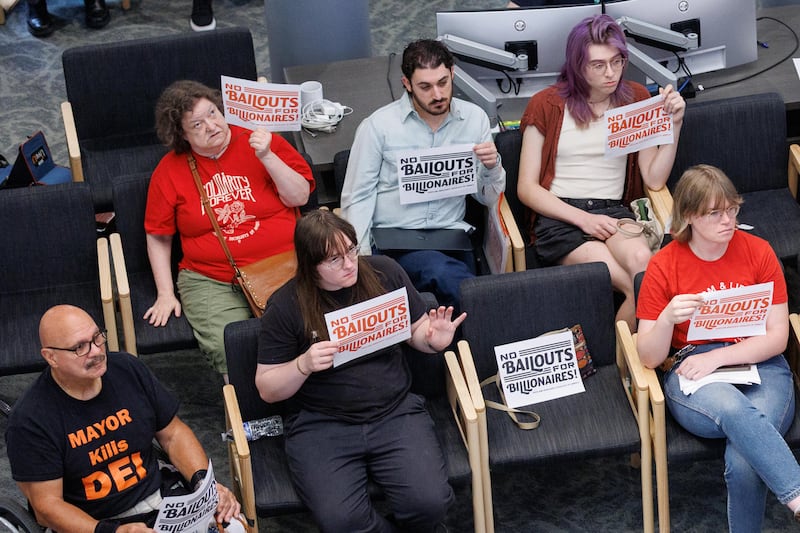
Dundon has played hardball with the city by refusing to provide any of his own, or the team’s, money to help pay for the renovation. He also has essentially ghosted the city at the negotiating table, implying that he’ll settle for nothing less than everything he wants: a full $600 million for renovations, ongoing funding for arena maintenance, and no annual payments made by the Blazers to Portland. Implicit in that demand is the threat that Dundon would explore other cities for the Blazers should Portland not pony up.
Now that the council has passed a term sheet, the next big question is whether NBA Commissioner Adam Silver will make Dundon return to the negotiating table with the city. The Blazers and the three contributing governments must reach a final deal by Dec. 31, or the state’s contribution dries up.
The Blazers struck a notably conciliatory tone in response to the council vote.
Dewayne Hankins, president of business operations for the Blazers, said in a statement: “Our goal remains the same: to reach a deal that allows the Trail Blazers to succeed on the court and as a business, supports a thriving Portland economy, and creates a path for the team to remain in Portland for decades to come.” He added that the team looks forward to “continuing to work with the city’s negotiating team in good faith, addressing the issues that remain and finding a resolution that allows all of us to move forward together.”
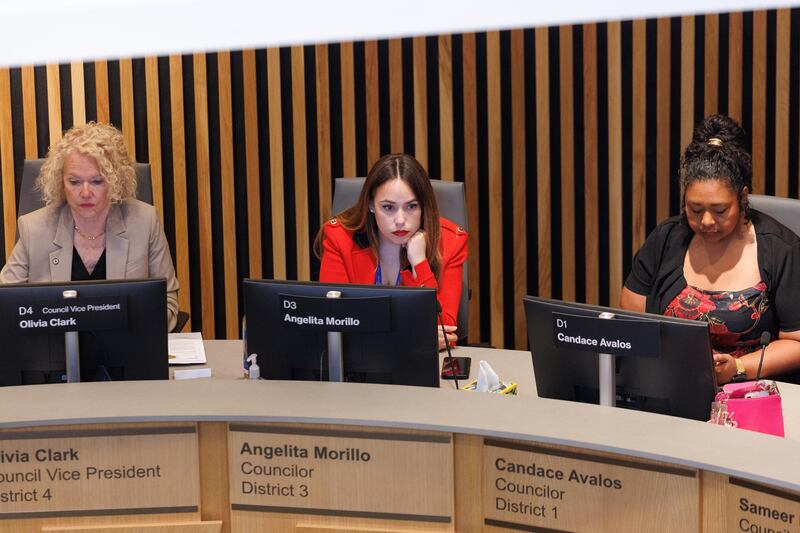
Councilors Novick, Pirtle-Guiney, Loretta Smith, Eric Zimmerman, Olivia Clark, Dan Ryan, Sameer Kanal and Jamie Dunphy voted for the term sheet. Dunphy and Kanal are part of the city’s progressive caucus, informally known as Peacock.
“My vote today is a vote to not shut a door on negotiations,” said Kanal, who normally votes alongside his Peacock colleagues. “I believe that if council doesn’t pass a term sheet today, negotiations are done.”
Councilors Angelita Morillo, Candace Avalos, Mitch Green, Tiffany Koyama Lane—all part of the progressive caucus—voted no.
Council President Dunphy, before voting yes, said he hoped the council could get to a deal with the Blazers by the end of the year.
“A very dense three months are ahead for our team. And if our partners choose to engage, things will move quickly,” Dunphy said. “I believe that there were folks who were counting on us to fail today. But this council, and this new form of government, can do hard things.”