Skip to main content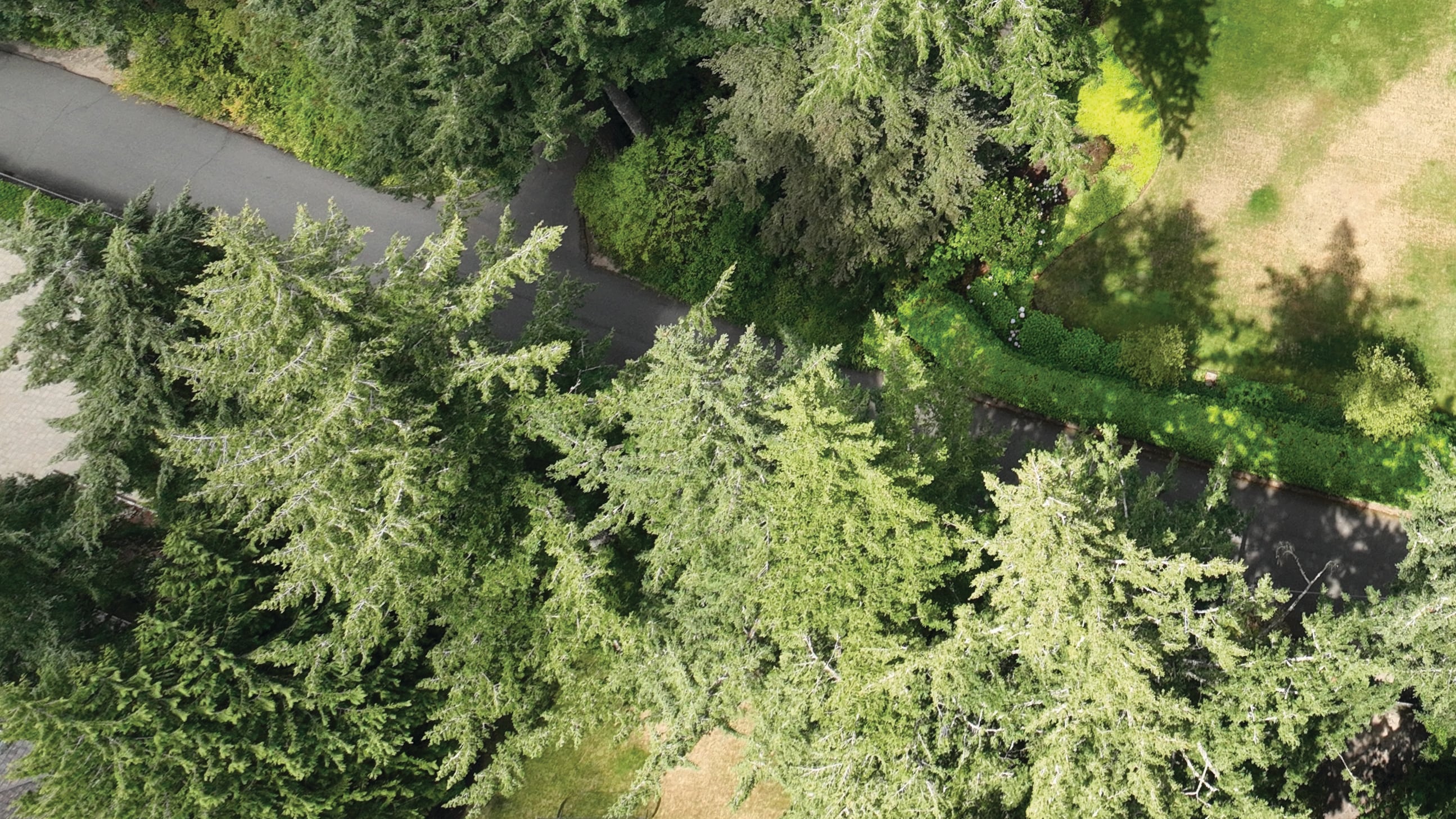
UNIVERSAL HEALTH CARE IS A BARGAIN
Andrew Schwartz has written an excellent article about the Universal Health Plan Governance Board [Murmurs, WW, Aug. 19].
I would add that much of the resistance to a universal health care system comes from the popular misunderstanding (promoted by the medical industrial complex) that people would be paying more for health care. In fact, most people would be paying less for health care. There would be no more insurance to buy, no more deductibles, and no more co-insurance/co-pays. And there would be no more medical bankruptcies.
Ken Rosenberg, MD, MPHNortheast Portland
OHA epidemiologist (retired)
A HOG BY ANY OTHER NAME
Willamette Week’s “Hydro Hogs” article [Aug. 19] highlights households that collectively used approximately 19 million gallons of water in one year. That sounds enormous—but without proportion it creates an antagonistic narrative rather than informed discussion.
What does 19 million gallons look like? Mount Tabor’s Reservoir No. 1 holds roughly 12 million gallons, so about 1½ reservoirs.
Now add context. Portland’s Bull Run reservoirs can hold approximately 9.8 billion gallons and receive 11.8 billions gallons in annual rainfall. Nineteen million gallons represents about 0.19% of that capacity.
The Bull Run watershed covers 102 square miles and receives roughly 130 inches of precipitation annually—approximately 231 billion gallons of water falling across the watershed each year. Not all becomes drinking water, of course, but scale matters.
Here’s another comparison. Based on Willamette Week’s annual circulation, estimated paper consumption and typical newsprint manufacturing requirements, roughly 3 million gallons of process water and 300 tons of paper (TIMBER!!!) may be associated with producing WW’s annual print run. It’s an estimate, and mills recycle some water—but imagine you quoting that each week without context—you’d be shut down in a page turn.
I’m not calling Willamette Week a “Hydro Hog” or “Paper Hog.” That’s precisely my point.
Terms like “Hydro Hogs” risk turning a legitimate conservation discussion into public shaming of people (WW good—19 households bad) legally purchasing and using a renewable resource—particularly when Portland is not currently experiencing drought
We all consume resources, directly and indirectly. Conservation deserves discussion, but that discussion should be inclusive, proportionate and informed.
Context doesn’t excuse waste. It allows readers to decide for themselves what actually constitutes waste (like an article called “Hydro Hogs” perhaps?).
Martin (54 gallons a day) Barrett
Northeast Portland
CORRECTIONS
WW’s roundup of the Portland region’s largest water users (“Hydro Hogs,” Aug. 19) incorrectly attributed the water use of the sixth-largest consumer to Andrew and Stephanie Gault, who own the home where the bill is sent. They are not the customers who used the water.
The true story is more complicated, and perhaps more interesting. The million gallons of water were actually used by The H. L. Corbett Estates Home Owners Association to irrigate the common greenspace in the neighborhood, an enclave of Dunthorpe. The bill is split between 22 members of the HOA. (It amounts to 47,600 gallons per member home—far less conspicuous consumption.)
While the looping roads of the Corbett Estates neighborhood surround several patches of greenery, by far the largest portion of the 4.22 acres of HOA-maintained greenspace is a mowed grass lawn that slopes down gracefully from a 1910 white Colonial Revival. In 1979, it was subdivided from the neighborhood’s showcase home. It now serves as something of a private park for 22 households, although as HOA treasurer Steve Jewell noted in an email to WW, “neighbors and others freely pass through for activities such as walking dogs, hiking and bicycling.”
The list also included Jack Jagla among the largest water users. He says his water consumption was the result of a large water main break. After publication, Jagla provided documentation from the Palatine Hill Water District showing that he received a bill adjustment for his water main break. He has been removed from our online list, as others who received adjustments were.
WW regrets the errors.
Letters to the editor must include the author’s street address and phone number for verification. Letters must be 250 or fewer words. Submit to:
P.O. Box 10770
Portland, OR 97296
Email: amesh@wweek.com