Skip to main content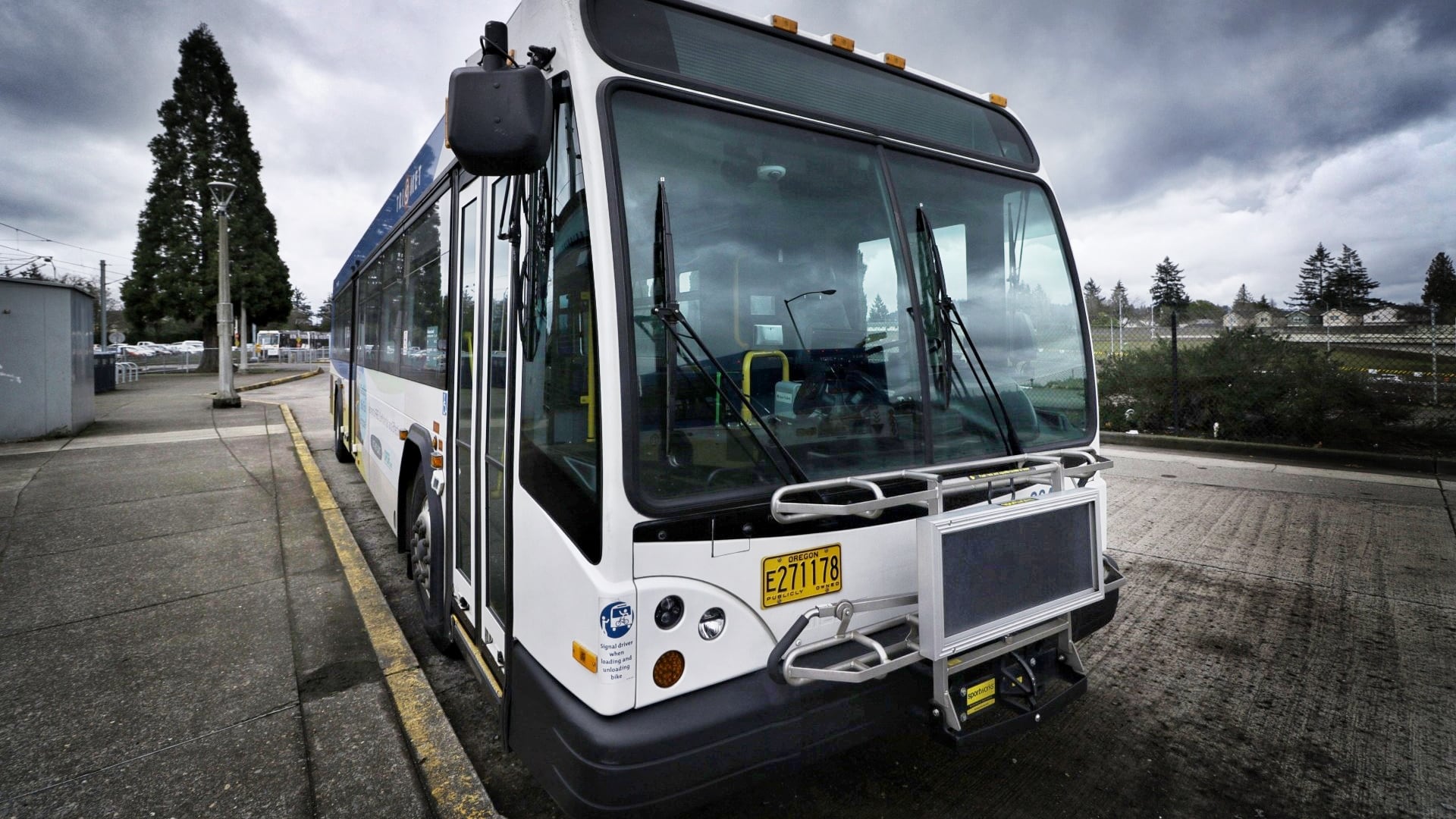
Where do TriMet drivers go to the bathroom? —I.P. Freely
I often tell friends who’ve never worked in the service industry that there are two kinds of jobs: the kind where you can pee whenever you want and the kind where you can’t. I do this mostly to seem like a restaurant badass: I don’t quite channel Roy’s “I’ve seen things you people wouldn’t believe” speech from Blade Runner, but there’s definitely an implication that soft-handed office workers could never handle the ’Nam-like intensity of the Friday dinner rush.
But just between you and me, I.P., I’m overselling it. Normie jobs have their own special torments (the biggest hard no of my life came when I found out that some people do two Zoom meetings at the same time), and in any case, having to plan your leaks isn’t as dehumanizing—or as infrequent—as I make it sound. Plenty of perfectly respectable jobs require micturitional foresight, including surgeon, kindergarten teacher and talking-filibuster-era U.S. senator. Bus and MAX operators are in good company.
Portlanders often complain about TriMet transit centers’ lack of restrooms, so they may assume that TriMet’s drivers are out of luck in this regard. Allow me to put your mind at ease: Most transit centers actually do have restrooms. They’re not open to the public (who, let’s be honest, would just use them as a venue for re-creating the cave paintings of Altamira in feces), but TriMet operators, who get a five-to-20-minute layover at the end of each route, may use them.
Some routes, of course, don’t terminate at a transit center. For bus lines that just peter out in the middle of nowhere (but not so nowhere that you can just pee outside), TriMet furnishes portable toilets. These are kept locked (public, Altamira, feces); drivers have a key. This isn’t the greatest solution—a driver in 2013 was stabbed in the leg while exiting one—and TriMet prefers building or leasing plumbed, indoor facilities when possible.
Finally, if an operator needs relief (the term of art is “comfort break”) in the middle of their route, they’re supposed to inform a dispatcher, who will direct them either to one of TriMet’s permanent or portable toilets or to the restroom of a partner business. This sounds like a pain, and I’ll bet drivers avoid it unless absolutely necessary, but I guess it’s better than pissing in a Dasani bottle.
Questions? Send them to dr.know@wweek.com.