Skip to main content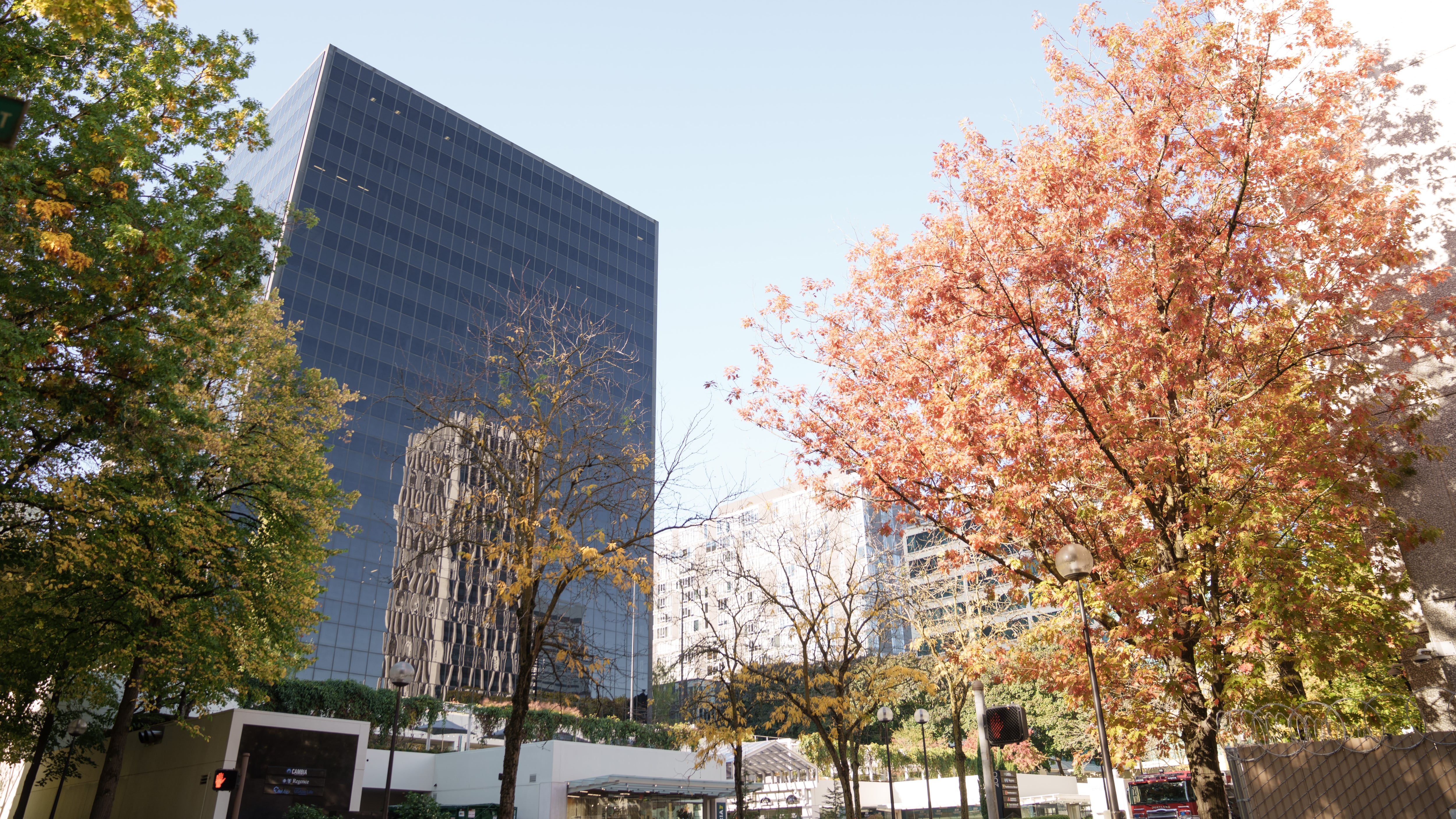
I’ve seen reports on the high vacancy rate of downtown Portland office buildings. After walking around downtown on a Monday and seeing basically no people or cars, my question is: If a building is leased but empty due to telecommuting, do they still count it as occupied? If so, the true vacancy rate might be more like 100%. —Lonely Commuter
I sympathize with your pessimism, Commuter, but 100% would be a declaration of futility worthy of Ecclesiastes. (“Vacancy of vacancies, saith the Leaser, vacancy of vacancies; all is vacancy and clutching after wind.”) The reality isn’t quite so apocalyptic—but I admit it’s not exactly rosy.
First, your intuition is correct: The oft-cited office vacancy rate is strictly a measure of how many properties aren’t being leased. According to faceless megacorporation Kidder Mathews, that rate for Portland’s Central Business District—what dirt-munching provincials like you and me call “downtown”—is currently 29.6% as of Q2 2026.
However, in the same way that McDonald’s tracks sales figures for the Big Mac but after that doesn’t really care whether you eat it or flush it down the toilet, commercial landlords mostly care whether a property is generating rental income, not whether it’s suffused with the warm bustle of human activity as it does so.
Planning wonks do care about warm bustles, however, and some have tried to measure what’s sometimes called “office utilization” or “worker presence.” As WW reported in September, Downtown Portland Clean & Safe has estimated current employee traffic at less than half of what it was pre-pandemic, which suggests that your “true vacancy rate”—unleased offices plus underutilized ones—could be more like 50%.
There is some good news—we also reported that nonwork-related foot traffic downtown has rebounded much more sharply. Also, that Kidder Mathews vacancy rate has been dropping steadily (albeit slowly) since late last year. Was it all a bad dream? Maybe office occupancy will keep rising, the urban core will revitalize, Prince will come back to life, and downtown will finally be restored to its former glory!
Maybe, but downtown probably shouldn’t hold its fentanyl-laced breath—it’s at least as likely that vacancy rates will get even worse. Many of the companies currently paying for all that underutilized office space hold long-term leases. When those leases expire, those companies may well choose to renew for less space, pushing the dollars-and-cents vacancy rate closer to the current rate of utilization—i.e., around 50%. Clutching after wind? You bet.
Questions? Send them to dr.know@wweek.com.