Skip to main content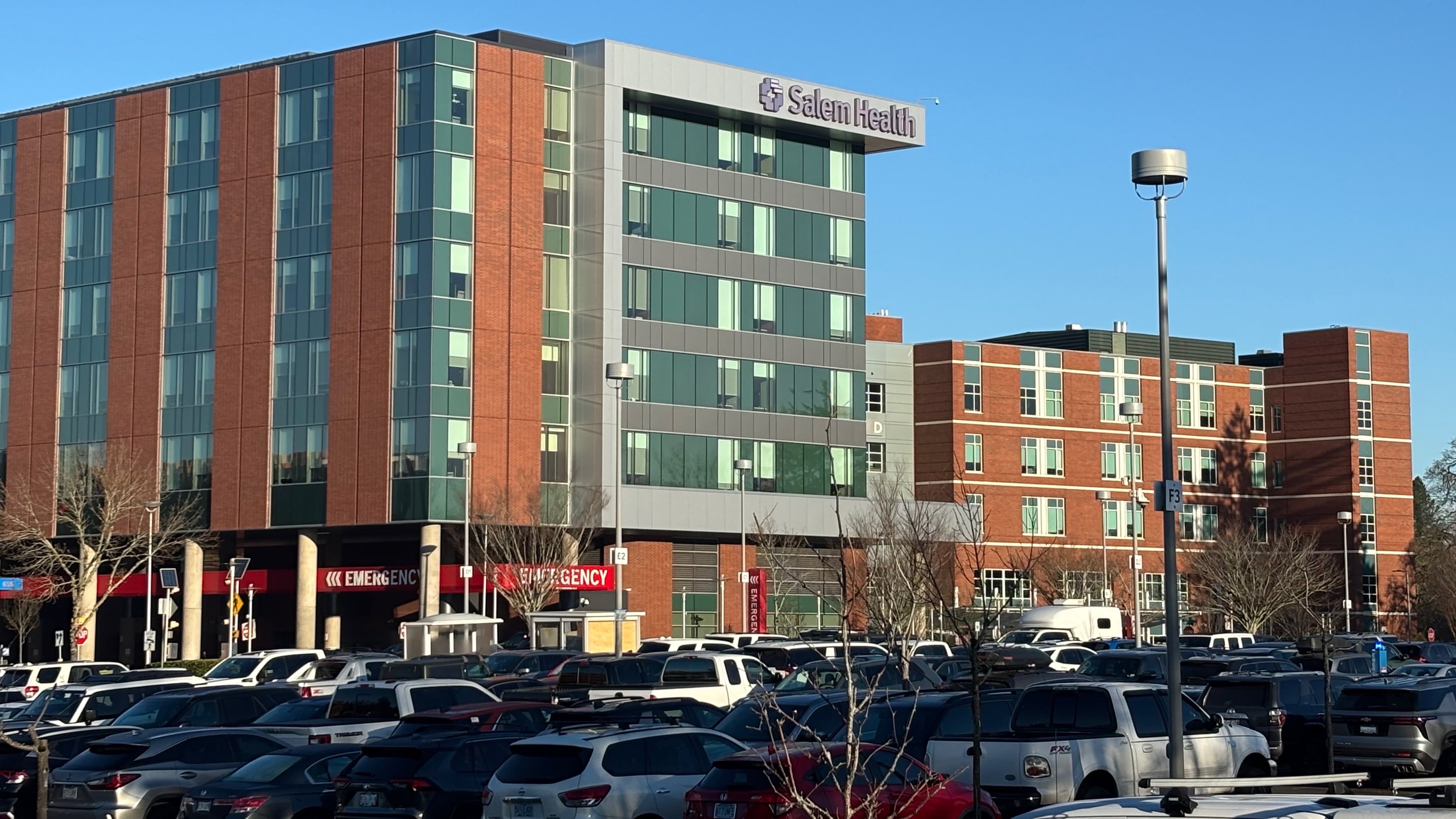
A merger between a major Willamette Valley health system and a smaller one needs to be greenlit quickly, a group of Oregon lawmakers said this week, pushing regulators to grant an emergency approval that would bypass the normal review process.
In its quest to merge with Salem Health, which runs the largest hospital in Oregon, Santiam Hospital & Clinics has now told regulators it is on the brink of insolvency—and could go under unless the deal gets approved within days.
The small Santiam health system’s own audited financial statements indicate it has earned more than $10 million in profit each of the past two fiscal years, producing solid operating margins. Still, in a letter this week to the Oregon Health Authority, the lawmakers said they took the Santiam system’s claims of severe financial duress seriously.
“We recognize that the Oregon Health Authority has an important responsibility to carefully review health care transactions to ensure they serve the public interest,” the lawmakers wrote to OHA interim director Fariborz Pakseresht, urging his agency to approve an emergency petition from the health systems to merge without a full review.
“At the same time,” they added, “extraordinary circumstances sometimes require timely action. Based on information provided by Santiam Hospital and the public record, the hospital is facing significant financial and operational challenges that place its long-term viability at risk. Continued delays only increase the uncertainty facing patients, employees, physicians, and the communities Santiam serves.”
The Santiam system runs a small hospital and several clinics off Highway 22. The 60,000 unique patients it sees per year pale in comparison to Salem Health’s more than 445,000, but regulators describe the smaller system as offering “crucial access” to health care for rural communities in and around Santiam Canyon, who would otherwise have to travel to Salem or Bend for acute care.
The Santiam system says it has “operated on small, break-even or negative margins” for years, preventing it from developing adequate cash reserves. It says that becoming part of Salem Health would bolster it for the long haul.
Reviewing this account is the task of the OHA’s Health Care Market Oversight program, which since 2022 has been charged with assessing if health system mergers are in the public interest.
They are often not. Frequently pitched as efficient cost-saving measures, researchers have found that health care market consolidations can actually lead to higher prices.
Indeed, in their preliminary review of the deal, regulators noted that both systems serve areas with already-high market concentration. Regulators noted several other concerns, including from residents worried the merger would force them to get new health insurance. For these and other reasons, the agency announced in May that it would subject the deal to a longer comprehensive review.
This would take many months. But then, in an emergency filing, Santiam Hospital & Clinics and Salem Health said the deal could not wait. “Since executing the definitive agreement with Salem Health in January 2026, financial conditions at Santiam have deteriorated rapidly,” the parties told regulators. “This has turned the affiliation from a long-term strategic imperative into an acute emergency. Simply put, Santiam is on the verge of insolvency. If OHA does not approve this transaction by Aug. 1, 2026, Santiam would have to take immediate and drastic steps to preserve operating cash. Such cost-saving measures would threaten the survival of Santiam Hospital and do irreparable damage to health care access in the Canyon.”
It is unclear if the Aug. 1 deadline is realistic. The Oregon attorney general, who must approve the merger, is hosting a public forum on Aug. 5. Written public comments flooded in in recent weeks. Then came the note from the lawmakers. One of the signatories, Rep. Ed Diehl (R-Stayton), serves on the Santiam Hospital & Clinics oversight board, and is vice chair of the House Committee on Health Care. Another, state Rep. Rob Nosse (D-Southeast Portland), chairs that committee.
In their letter, lawmakers characterized the deal as a “thoughtful, locally focused solution” to the Santiam system’s problems, which would preserve the region’s health care, not undermine it.
Asked what OHA thought of the letter’s characterization of the Santiam system’s finances, spokeswoman Amy Bacher said the agency appreciates the lawmakers’ attention to the matter and the information they provided. “OHA takes emergency exemptions requests seriously,” she wrote, “and is working to analyze the information provided by Salem–Santiam and provide a determination quickly.”