Skip to main content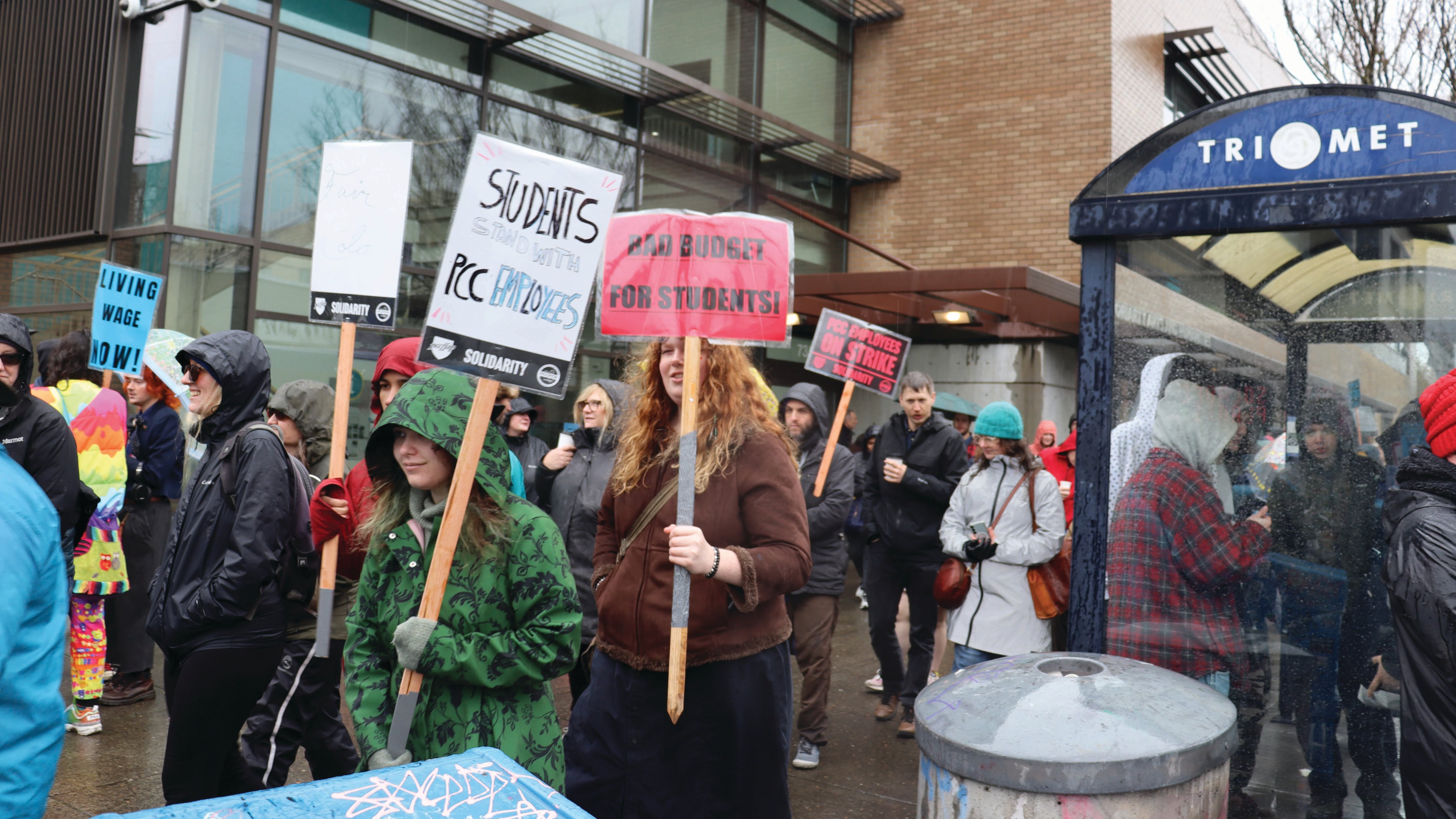
When Portland Community College’s faculty and academic professionals union went on strike in March, the college became a testing ground for what was arguably the most controversial bill to come out of the 2025 legislative session.
Senate Bill 916, which allows striking workers to access unemployment insurance during their time on the picket line, made Oregon the first state in the nation to require public employers to pay such benefits.
Now we know how much that cost PCC. James Hill, a spokesman for the college, says it estimates it will incur about $260,000 in unemployment claims associated with the strike. (The average striking worker may claim unemployment starting in the third week of a strike, the same week the faculty union’s strike was resolved at PCC.)
That number is significantly lower than the $1.45 million the college estimated it might have to pay each week, if all striking workers had filed claims.
Public employers, often known as “reimbursing” employers, don’t opt to pay unemployment contributions to the state on a regular basis. Instead, such employers often reimburse the state dollar for dollar, which drove many public agencies to warn that the legislation would financially drain them. And while the state can relieve public employers of costs if they negotiate back pay agreements, PCC opted not to.
The strikes at PCC were the first at a community college in Oregon’s history, and may have had broader implications for the institution. PCC president Adrien Bennings voluntarily separated from the college on May 14.
The college’s board of trustees voted 6–1 to approve a $261,000 severance package for Bennings—$1,000 more than it spent on striking workers—among other perks. Two of the community college’s largest unions overwhelmingly cast votes of no confidence in Bennings’ leadership during the strike. They were joined by PCC’s student government.