 Skip to main content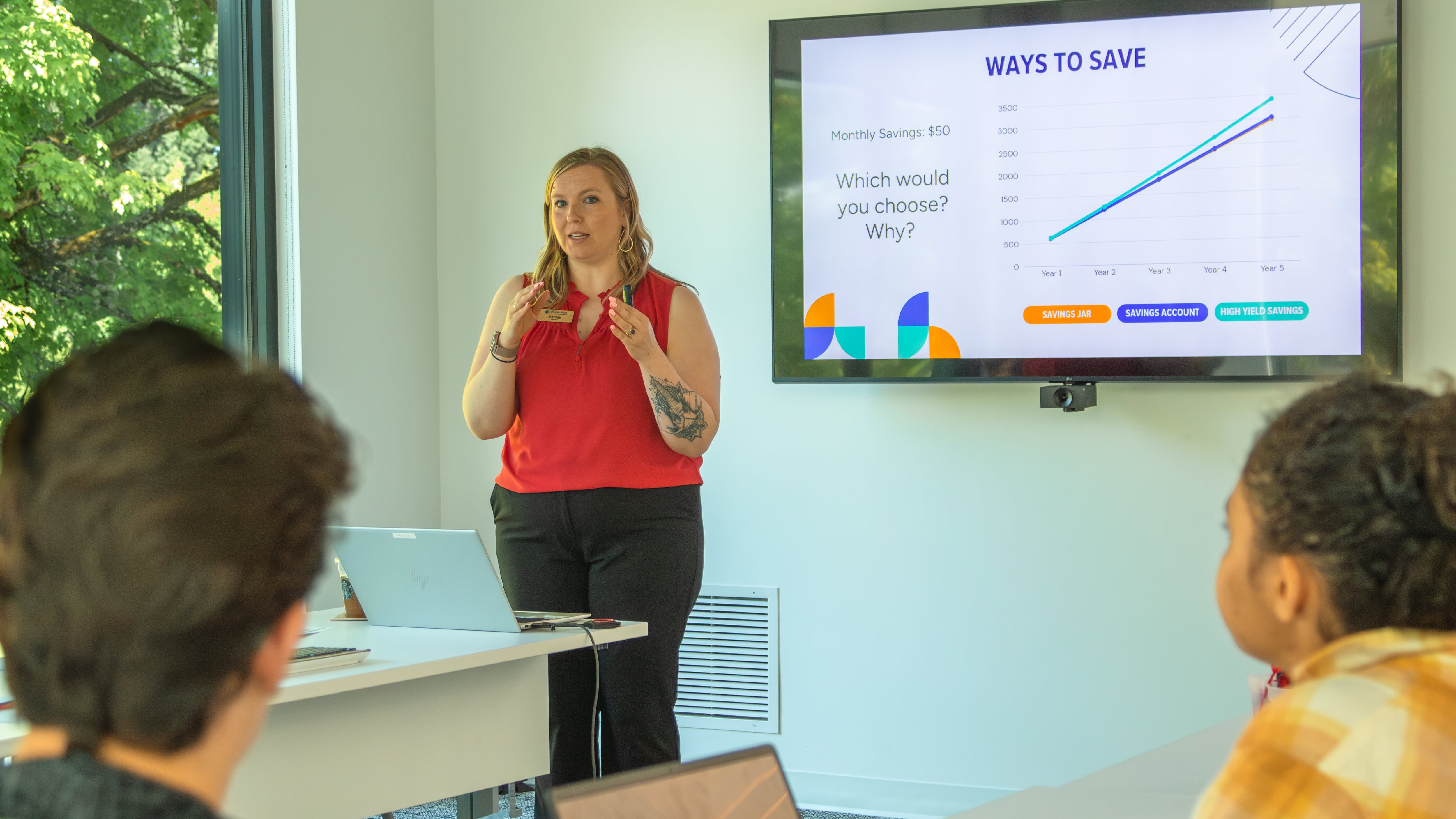
This story is published in cooperation with Willamette Week and Oregon State Credit Union.
For Oregon State Credit Union, expanding access to education isn’t a side initiative. It’s central to who they are. There’s a moment Ashley Wilson, Community Education Director at Oregon State Credit Union, describes that gets at the heart of why this work matters. She calls it the “aha” moment—when someone discovers an interest they didn’t know they had, or begins to see themselves as capable in a new way.
“That shift in confidence,” she says, “can be just as important as the opportunity itself.”
Through scholarships, teacher grants, and workforce development partnerships, the credit union has built a network of programs designed to meet Oregonians at different points in their educational journey—and remove the barriers that too often derail them before they begin.
When a Scholarship Is More Than Money
For Debra Mason, Executive Director of the Clackamas Community College (CCC) Foundation, the financial barriers facing today’s students are widely misunderstood. “Most folks have no idea how expensive the college experience is now! For the older generation, college did not cost a lot,” she says plainly. “And we don’t believe students should have to survive on ramen to get through.”
 Opens in new window
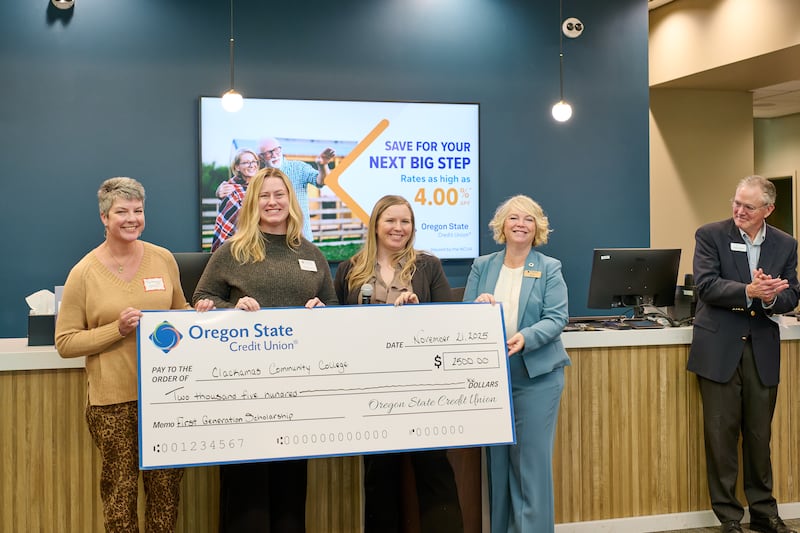
In 2025, the CCC Foundation distributed $177,000 in basic needs support—covering rent, utility bills, childcare, and transportation for students who were, as Mason puts it, “one bill away from dropping out.” The stakes are stark: if a student has to leave community college for financial reasons, only 3% return.
“We know that a scholarship not only provides financial support but also confidence,” shares Mason.
Oregon State Credit Union’s partnership with the foundation helps ensure more students never reach that breaking point—through scholarships for first generation students that deliver not just financial relief, but something harder to quantify.
According to Mason—whose work with CCC’s first generation scholarship program has allowed her to identify what makes the program so pivotal—these students “need unique support because they often don’t have the same resources at home [as non-first generation students]; it can be disorienting and hard to ask for help.”
Building Confidence in the Classroom
 Opens in new window
In Gervais, Oregon, third-grade Reading Intervention Teacher Cindy Smith supports elementary students and staff by providing instructional support and collaboration around literacy instruction. Her role includes working directly with students, supporting teachers with instructional strategies, and helping to create systems that ensure all students receive the support they need to be successful readers and learners.
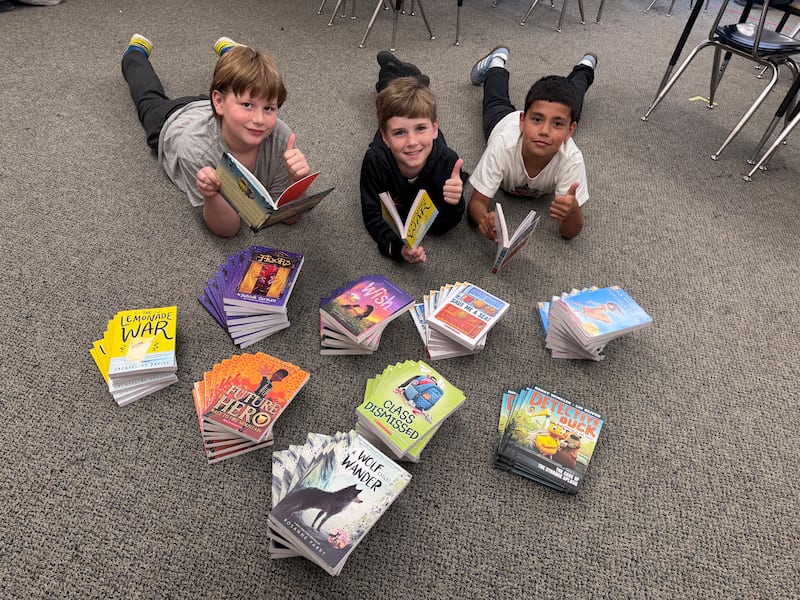
This year, Smith applied and was awarded an Oregon State Credit Union Teacher Education Grant to do something her students needed but her district couldn’t fully fund: put real books in their hands. Smith has worked in education for 27 years, and knows that “access to engaging, high-quality instructional resources can make a significant difference in helping students become active, thoughtful readers.”
 Opens in new window
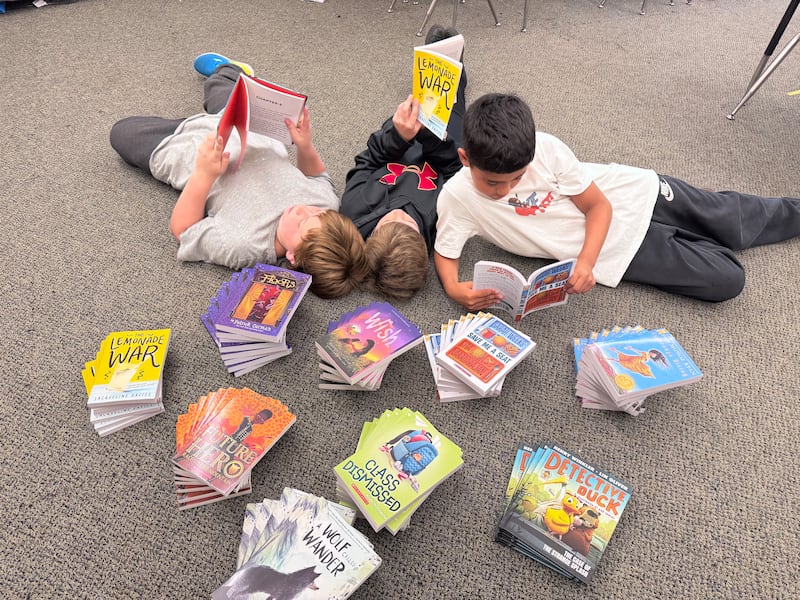
In the 2025–26 school year, Oregon State Credit Union distributed more than $25,000 in grants, supporting 55 educators across 12 counties and reaching 22,892 students. Smith’s grant covered classroom book sets designed to support reciprocal reading and collaborative comprehension strategies, giving students more opportunities to engage directly with texts rather than screens.
“When students have greater access to engaging learning resources and targeted support,” Smith says, “they are often more motivated, confident, and willing to participate in learning.”
For a district serving a high population of English and multilingual learners and socioeconomically disadvantaged students, the expanded access to grants like Oregon State Credit Union’s isn’t incidental. It’s transformative.
“Students also benefit from seeing themselves as capable learners who can successfully engage with challenging material when given the right support and opportunities,” says Smith.
From Program to Paycheck
 Opens in new window
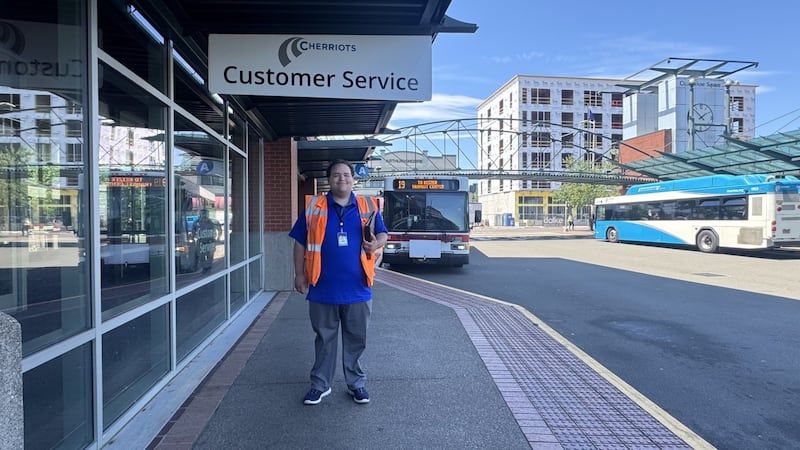
Riley Schulbert’s path from McKay High School to a career as a Transit Host for Salem’s Cherriots system ran through Garten Services—an organization whose mission, as CEO William Posegate describes it, is “to advance employment for people with disabilities, creating life-changing impact through genuine belonging.”
Through Garten’s Community Transition Program, Riley was able to access volunteer experiences that prepared him for the next step in his journey: Garten’s Summer Youth Employment Program. Through this next step, Riley obtained his first paid work experience, his first paycheck (a milestone that meant so much to him), and something harder to put on a resume: the confidence to show up, engage with others, and be a real member of a workplace team.
“The experience helped me develop important interpersonal skills such as teamwork, communication, and problem-solving,” shares Riley. “Earning my own money gave me a sense of independence and achievement,” he says.
 Opens in new window
Today, those skills show up every shift as he helps Cherriots’ riders navigate the transit system.
Oregon State Credit Union’s partnership with Garten extends beyond funding; their team provides financial literacy education directly to youth participating in Garten’s Youth Employment Program, covering budgeting, saving, and money management through hands-on activities.
The partnership works well because of their overlapping ethics; both institutions value witnessing the life-changing impact that educational opportunities can have.
“Oregon State Credit Union’s investment helps young people build skills, gain confidence, and prepare for future employment,” Posegate says. “This partnership reflects a shared commitment to creating a stronger, more inclusive community where every individual has the opportunity to thrive and reach their full potential.”
What Connects It All
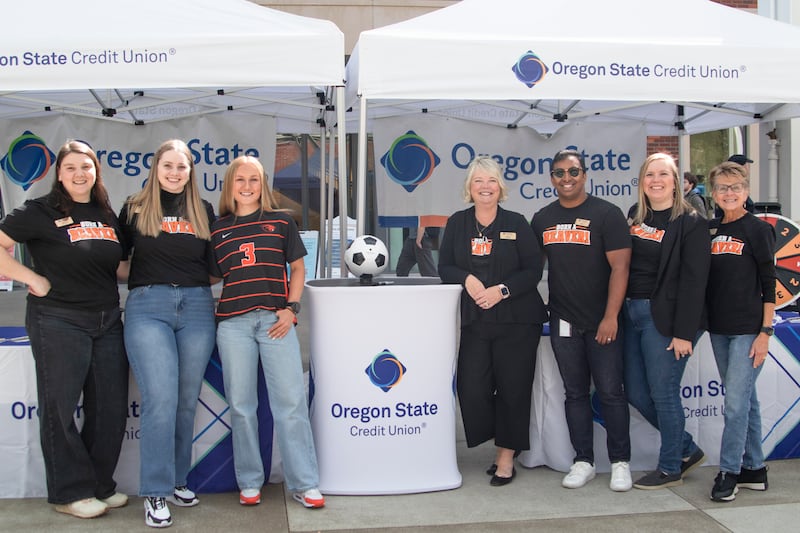
Oregon State Credit Union has intentionally advanced access as a key focus within its community investment strategy—the people it serves and the partners it works with are a reflection of its impact.
 Opens in new window
“Oregon State Credit Union engages with organizations that are actively expanding access to education and opportunity, especially for communities that have historically faced barriers. A strong partner for us is one that is focused not only on access, but also on creating meaningful, measurable change over time,” says Wilson. “Our focus on education access has pushed us to be more thoughtful and intentional about how we support the work [our partners] are already leading.”
What connects a third-grade classroom in Gervais, a community college foundation in Clackamas County, and a workforce development program in Salem is simpler than it might appear: the belief that when people have access to the right resources at the right moment, it changes what feels possible.
Learn more about Oregon State Credit Union.
About Oregon State Credit Union: Oregon State Credit Union is a member-owned, not-for-profit financial cooperative with an expanded field of membership now spanning 28 counties in Oregon and Clark and Skamania counties in Washington state. Founded in 1954 and guided by a passion for service, we are committed to delivering inclusive financial solutions that empower individuals and communities to thrive. Our competitively priced products and services are designed to meet the diverse needs of our members, providing exceptional value and personalized service. At Oregon State Credit Union, we believe in building amazing member trust and fostering financial well-being for all. Visit www.oregonstatecu.com today to learn why nearly 160,000 member-owners put their trust in Oregon State Credit Union.
