Skip to main content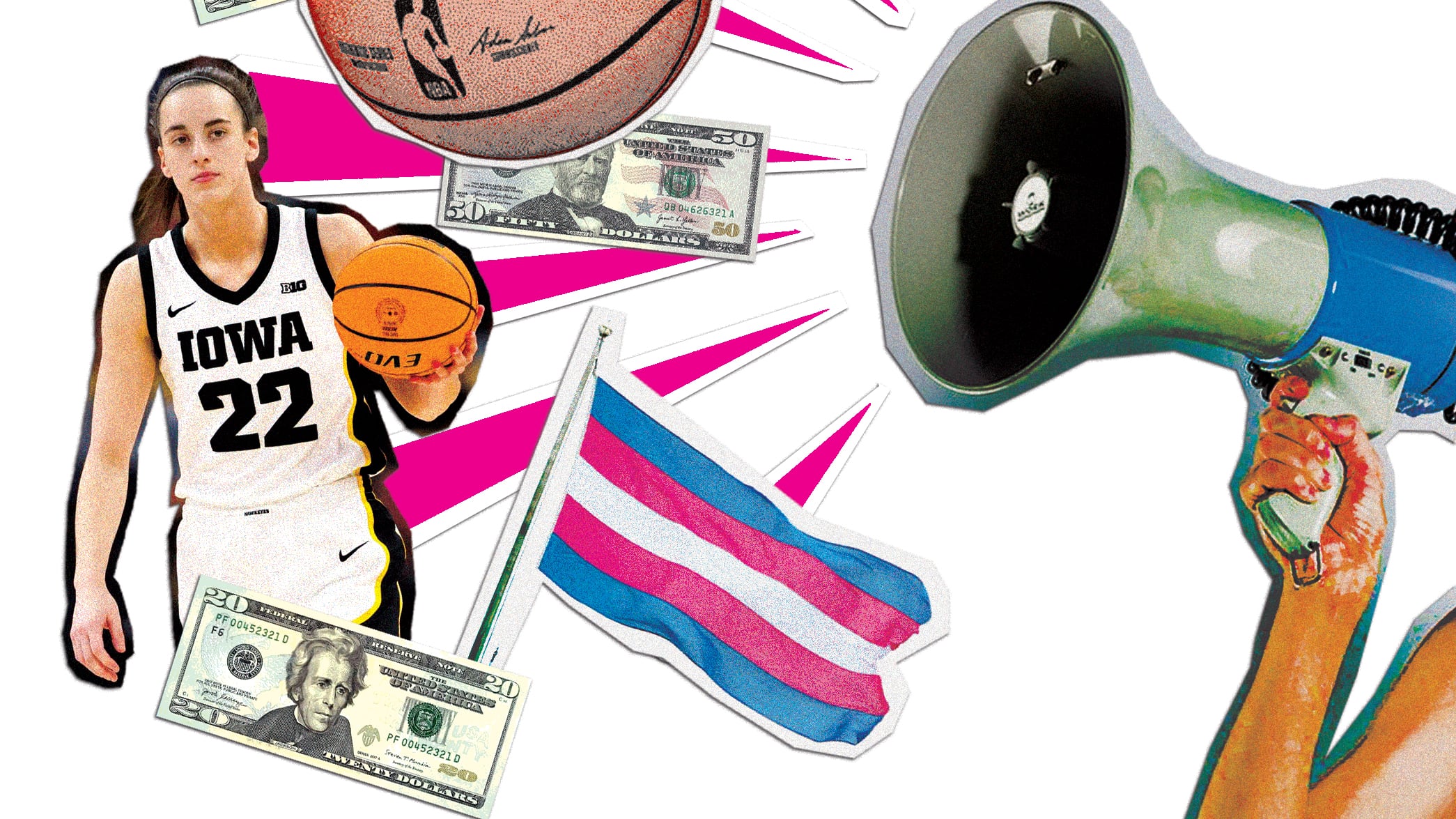
Being a fan of anything is complicated. Good TV shows get canceled or get really bad (Arrested Development somehow did both). Sometimes the working conditions or pay scale are jaw-dropping relative to the money brought in. Sometimes the cast is conspicuously lacking in diversity. It’s fair to say I understand television a lot better than I understand sports, but on closer examination, sports is basically just a TV show. It’s just that instead of telling jokes, the performers throw things and run around a lot. Sometimes they even get in fights. Fun!
Some say Portlanders like enjoying things in a self-righteous way—that we did as the bumper sticker instructed us, and are both outraged and paying attention. Maybe! I personally like enjoying things in a complicated way—a way that takes both the good and the bad into account.
Either way, if you show up to the vegan BBQ (or the family potluck) in a Portland Fire T-shirt, you may get some questions about the WNBA itself, or how the team fits into the bigger picture. Here’s a rundown of the hottest-button topics so you can be prepared to talk about the Fire with your leftier-than-thou housemate or your misogynistic brother-in-law.
1. So, do WNBA players get paid as well as NBA players?
No. Until recently, the pay disparity was shocking. The minimum salary for a first-year NBA player for 2025–26 was $1.5 million; the median NBA salary is about $6 million. (The average salary is a bit higher—$10 million—because a few superstar players’ contracts skew the stats.) By contrast, the minimum WNBA salary last year was $66,000, and the average salary was $220,000. Dallas Wings forward Alysha Clark, the oldest player in the league, told NPR’s Planet Money this spring that in 2012, her first year playing for the league, she made about $36,400. So: NBA players, even the ones you haven’t heard of, are pulling at least seven figures, while their female counterparts are struggling to make big-city rents, doubling up in hotel rooms, and flying coach.
Infuriating! But there is a reason the men get paid so much. Last year, the NBA brought in $14.3 billion in revenue (from a combination of media rights, ticket sales and merch). The WNBA brings in a fraction of that, but the numbers are growing: In 2024, the WNBA brought in $226 million, and in 2025, that number was projected to grow to $300 million. Sounds like a pretty big number to me! Honk honk!
In the fall of 2024, the Women’s National Basketball Players Association—the union that represents WNBA players—decided to do something more than honk car horns about it. Revenue sharing had theoretically always been on the table, but only if a certain threshold was met. The union argued it had been; the league countered that it was on the verge of losing tens of millions of dollars, actually. (Observers say this number doesn’t take into account new media contracts with ION and CBS. Honk!) Anyway, players were asking for only 9% of WNBA revenue; NBA players get 50%. The process got so drawn out and contentious it delayed the start of this year’s season, but in March, the league and the union announced a collective bargaining agreement with a minimum salary of $270,000 and an estimated average salary of $583,000. Now I’m honking in celebration.
The data we found on the Portland Fire says its highest-paid player, Bridget Carleton, makes $1,190,000; everybody else is in the six-figure range, save a few players who have already been released from their contracts. (More on them in a moment.) So, no, they’re not making nearly as much as their counterparts in the Trail Blazers, but at least they’re getting a chunk of the pie.
2. Is the WNBA racist?
The short answer: It’s complicated, but there are some unpleasant optics in play. Seventy percent of WNBA players are Black; about 25% identify as queer. The league’s fan base also skews Black and queer. But the face of the league is increasingly Indiana Fever point guard Caitlin Clark, who since her rookie season in 2024 has launched a seemingly infinite discourse machine fueled partly by her rivalry with Atlanta Dream forward Angel Reese. (Neither Reese nor Clark is necessarily considered among the best player in the league, by the way; most observers tip their hat in the direction of the Las Vegas Aces’ A’ja Wilson.) Longtime fans—and plenty of new ones—bristle at the fact that a white, straight woman is suddenly the face of women’s basketball. And Clark’s acolytes—many of them white Fathers of Daughters who had not previously expressed much curiosity about women’s basketball—have objected to other players touching her and have generally Poochie-fied Clark. (Which is to say, whenever Caitlin Clark isn’t in the room, they want everybody to be asking, “Where’s Caitlin Clark?”)
How does the Fire look in the midst of all this discourse, though? Honestly, not great. Since the season started, the team has waived contracts for three Black players—Kamiah Smalls, Sug Sutton and Haley Jones. At the same time, it’s converted two developmental players—Holly Winterburn and Frieda Bühner—to active roster players, a move akin to making a featured player a regular cast player on Saturday Night Live. (See? Sports is just television!) The Fire also activated the contract of a third player, Teja Oblak. And yes, all of these players are white. A Black player, Jordan Harrison, had her contract waived early in the season and then reactivated last week. But apart from Harrison’s rehire, the roster’s gotten notably paler in just the first few weeks of the team’s existence—a truly baffling play that doesn’t reflect well on the Fire’s front office, or on Portland.
3. Is the WNBA trans-inclusive?
Short answer: It does better than you’d think. While trans inclusion in sports is a hot topic, most of the discourse has centered on scholastic sports, with everyone from the president of the United States to former Trail Blazer and two-time gubernatorial loser Chris Dudley to the jackwagons who decided to boo a championship track athlete at McDaniel High School two years ago weighing in on the topic. (Dudley was seen courtside at an early Fire game; whether he’ll continue his support for women’s sports now that he’s not running for anything is anybody’s guess.)
The league doesn’t have a coded policy regarding trans inclusion, but Commissioner Cathy Engelbert has spoken broadly in favor of trans rights, and the WNBA has had at least one openly nonbinary player: In 2020, Layshia Clarendon, then a shooting guard for the New York Liberty, came out as nonbinary; they continued to play until their retirement in 2024.
Portland transfeminine singer Atläs sang the national anthem in advance of the team’s May 14 game against the New York Liberty. Absent a clear policy allowing trans women on the court, it felt like a clear signal about who’s welcome in the arena: everybody.
4. Are women’s sports as good as men’s sports?
Yes. Shut the fuck up.