Skip to main content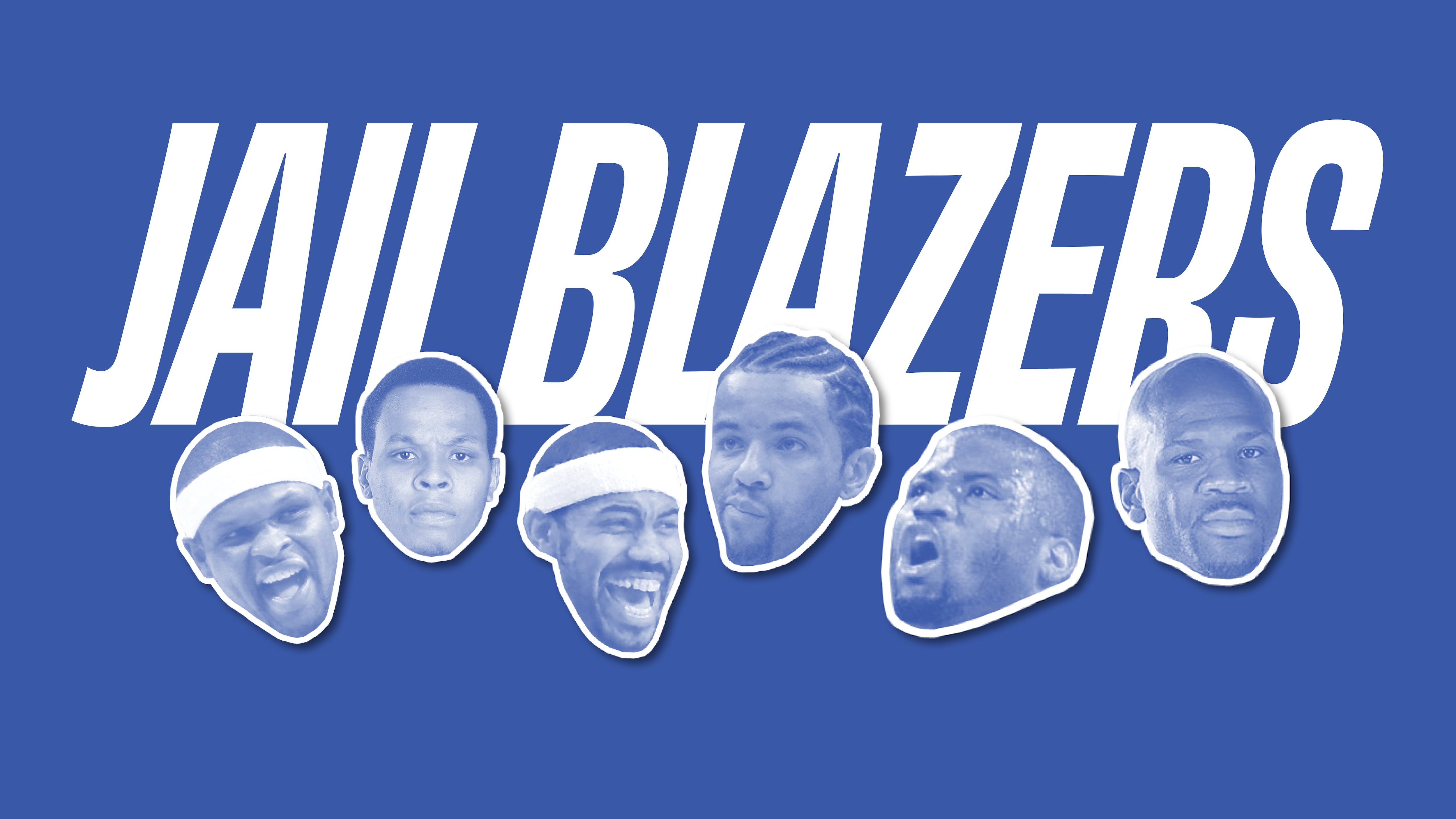
At long last, the Jail Blazers are telling their side of the story. This week, Netflix debuts a hotly anticipated documentary, Untold: Jail Blazers, that explores an inglorious epoch of Portland basketball, stretching from roughly 1997 to 2005, when Blazer players were regularly in trouble with the law and hostile to Rose Garden fans. This is a matter of some interest to this newspaper. For better or for worse, WW coined the term “Jail Blazers” on the cover of the Aug. 14, 1996, edition. Do we really want to relitigate this decision? As a matter of fact, we already did, with a 2018 exercise in self-reflection. “Two things can be true at once,” Curtis Cook wrote in that package. “Portland can be a racist city with a problematic attitude toward Black athletes, and Ruben Patterson can be a piece of shit. One narrative doesn’t blot out the other.” In that same reappraisal, we checked in on six of the best-known players from that era. This week, we watched the doc shortly before press time, and updated that story with the quotes each player gave to the filmmakers.
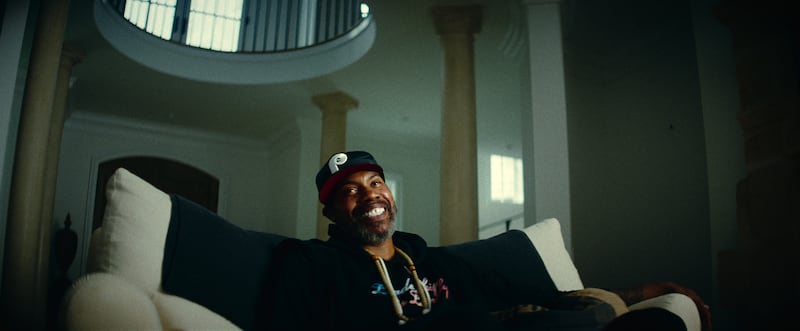
Rasheed Wallace
Joined team in: 1996
Quotes from his Blazer days: “As long as somebody ‘CTC,’ at the end of the day I’m with them,” he told Oregonian columnist John Canzano in 2003. “For all you that don’t know what CTC means, that’s ‘cut the check.’” That same year, he responded to all questions in a 2003 postgame interview with the same answer: “Both teams played hard, my man.”
Low point: The NBA suspended Wallace for seven games—a league record—after he allegedly threatened referee Tim Donaghy and charged him on the Rose Garden’s loading dock after a game in 2003.
Where he is now: After leaving the Blazers in 2004, he won an NBA title with the Detroit Pistons. He retired in 2013 with an NBA record for most technical fouls—317. In December, Tennessee Collegiate Academy in Memphis hired Wallace as an associate head coach for its boys basketball team.
What he told Netflix: He is not mad. “To the people that didn’t support me and wanted me gone: Fuck ’em. I left. Yeah, and you’re still mad. You know, I’m not mad. You’re still mad. So…sleep on that one.”
Isaiah “J.R.” Rider
Joined team in: 1996
Quote from his Blazer days: “Forty miles from here,” he said of Portland in 2000, “they’re probably still hanging people from trees.”
Low point: In 1997, he missed a team flight to Phoenix. The company arranging the charter flight declined to book Rider his own plane. He allegedly spat at an employee, shouted obscenities, and smashed a cellphone. He later spat on a fan.
Where he is now: His life fell apart after his forced retirement from the league in 2001. He bounced back by starting a kids basketball training program in Arizona called Sky Rider. In December, the New York Post reported, he was arrested for failing to appear at a court hearing regarding a protective order filed by his wife.
What he told Netflix: He goes unmentioned in the documentary.
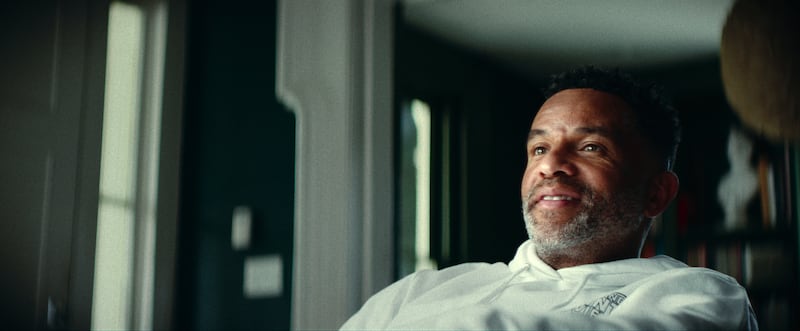
Damon Stoudamire
Joined team in: 1998
Quote from his Blazer days: “I feel like there are a lot of people out there who are living through me,” the hometown hero told The Oregonian in 1999. “So the same dreams that they had, they might not have gotten there, but I’m living their dreams. They want to see me do well. And when I don’t do well, I feel like I’m letting them down, too.”
Low point: In July 2003, Stoudamire was arrested at Tucson International Airport for trying to pass through a metal detector with an ounce and a half of marijuana wrapped in aluminum foil. He was suspended from the team for three months and fined $250,000, and spent the next year under constant media scrutiny.
Where he is now: He was head coach of Georgia Tech for three years until his firing this spring (the team wasn’t very good). He was quickly hired as an assistant coach at Louisiana State University.
What he told Netflix: The movie makes a compelling case that Clackamas County cops had it out for a hometown Black kid living in Lake Oswego with too much money. “I still don’t think that stuff was racial,” he says. “There were racial undertones.”
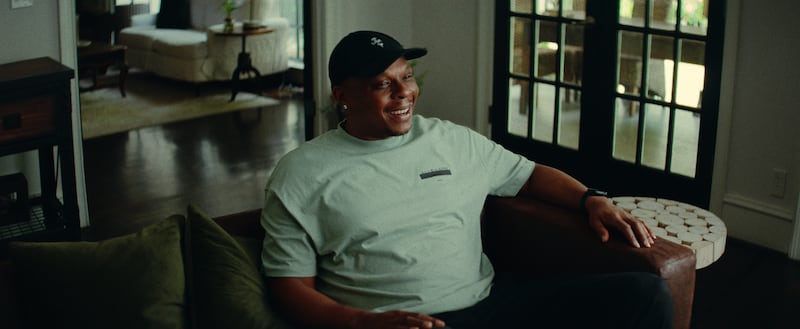
Bonzi Wells
Joined team in: 1998
Quote from his Blazer days: “We’re not really going to worry about what the hell [the fans] think about us,” he told Sports Illustrated in 2001. “They really don’t matter to us. They can boo us every day, but they’re still going to ask for our autographs if they see us on the street. That’s why they’re fans and we’re NBA players.”
Low point: After one Blazers loss in 2002, Wells flipped off a fan in the Rose Garden. He told a reporter he couldn’t recall doing it: “I black out sometimes.”
Where he is now: After leaving the NBA in 2009, Wells played stints in China and Puerto Rico. Stoudamire hired him for the Georgia Tech coaching staff in 2023, and he’s still there.
What he told Netflix: He is the most poignant figure in the documentary; his return to the Rose Quarter gives the film its emotional resonance. “I never left home in my life before I went to Portland, Oregon,” he says. “That’s 2,500 miles away from Indiana. I turned into a man out there, and then they gave up on me, and that hurt me more than anything.”
Ruben Patterson
Joined team in: 2001
Quote from his Blazer days: “I’m not no bad guy,” he said during his introductory press conference. “I’m not no rapist. I’m a great guy.’’
Low point: In 2001, shortly before the Blazers signed him, he allegedly forced the 24-year-old nanny of his children to perform a sex act on him.
Where he is now: After retiring from the NBA in 2007, he joined the National Basketball Retired Players Association and received help to go back to school to finish his college degree. Last year, he posted on Instagram that he’d been swindled by his business manager.
What he told Netflix: Patterson doesn’t speak, but Wallace describes his signing as general manager Bob Whitsitt’s one big misstep. “I would say that’s the only time that I truly could say I was mad with Bob or upset with Bob.”
Zach Randolph
Joined team in: 2001
Quote from his Blazer days: “I’m a gangster,” he allegedly told police in 2006, “not a Blazer.”
Low point: In 2003, he sucker-punched Ruben Patterson in the face during practice as two teammates held Patterson back. Oregonian reporter John Canzano said Randolph hid at another teammate’s house for two days, fearing that Patterson would shoot him.
Where he is now: In 2009, Randolph joined the Memphis Grizzlies. He thrived on the court and became a mentor in poor, black neighborhoods. He retired from the NBA in 2019. His daughter Mackenly plays college hoops for Louisville.
What he told Netflix: He isn’t given a chance to speak. Justice for Zach!
SEE IT: Untold: Jail Blazers streams on Netflix. Read our review.