Skip to main content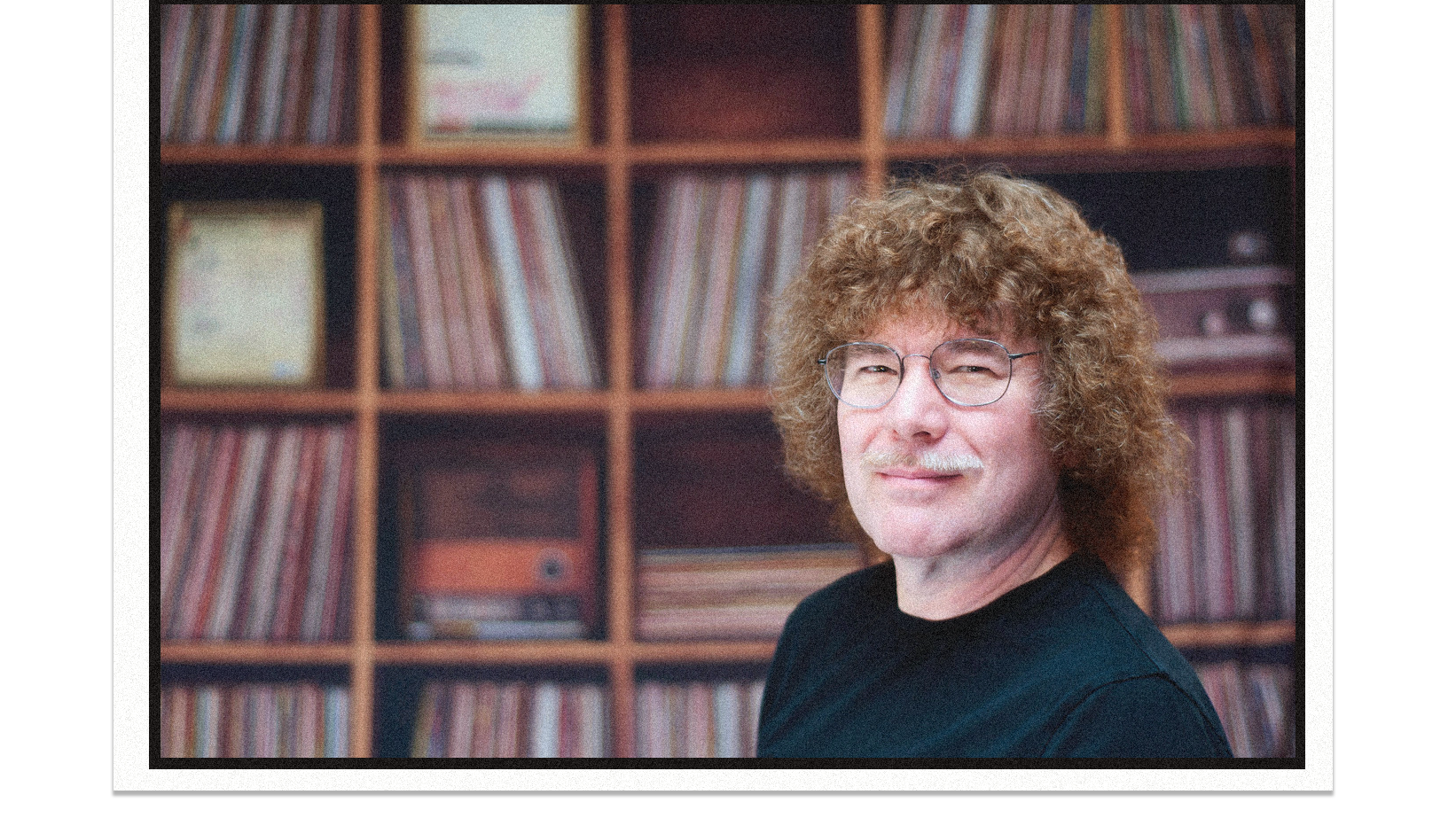
Terry Currier, who has owned and operated Music Millennium for 42 years, is looking for a successor.
In a message shared on Music Millennium’s social media accounts Tuesday, Currier wrote that he is looking to sell the store and possibly the building—or to sell the business separately and execute a long-term lease with the new owner.
“Rest assured, I’m good with working with the future owner during a transitional period, educating them on just how we make Music Millennium tick,” Currier wrote. He also noted that developers have approached him about buying the building, which sits on East Burnside Street at the edge of the Laurelhurst neighborhood, and he’s turned them all down.
“I want that building to [be] a part of Portland’s landscape forever. Plus, I want Music Millennium to be in it for just as many years,” he wrote.
The post begins with a history of the store, which opened in March 1969 and was then owned by Don and Laureen MacLeod and Danny and Patti Lissey, and Currier’s relationship to it.
In 1984, Currier went to work as Music Millennium’s general manager. By then, MacLeod had sold the store and then bought it back; the store was carrying half a million dollars in debt and teetering on the edge of bankruptcy. MacLeod and Currier worked to get the business’s debt under control and to get back in the good graces of suppliers, who’d cut them off; Currier took ownership of the business in 1996.
Currier is a well-known booster of local businesses, both locally and nationally. In 2003, he started printing and distributing stickers reading “Keep Portland Weird,” a campaign meant to encourage people to support small, local businesses rather than boring national chains. (He freely admits he adapted the idea from an Austin campaign that predates his coinage by several years.)
In the early 1990s, Currier’s feud with Garth Brooks—who didn’t want his product sold in stores that also carried used CDs—became a national campaign, and that campaign led to the formation of the Coalition of Independent Music Stores. In 2008, record store owners associated with CIMS launched Record Store Day to promote vinyl as a medium, and brick-and-mortar record stores as an industry.
At the time, major labels had largely abandoned vinyl, but were persuaded to press a few special-edition records for the promotion, and the number of record stores in the country had dropped from 7,500 at the turn of the century to 1,800 in 2007. Now, according to Currier, that number has rebounded to 3,000. And vinyl is now the dominant physical medium.
As for Garth Brooks? In 2023, he released a seven-CD box set, Time Traveler, that was sold only in Bass Pro Shops/Cabela’s locations, a business decision that struck some observers as bizarre, largely because it was. It becomes a bit more legible when considered through the lens that the type of stores Brooks preferred to do business with—chain stores like Tower and Sam Goody and big-box stores like WalMart and Best Buy—have either gone under or decreased the number of CDs they sell. The surviving music retailers are the ones that have kept it weird.
And while the advent of streaming has changed the way a lot of us listen to music, it doesn’t seem to have had the devastating effect Napster did on the industry 20 years ago. In 2025, Currier told this reporter that while younger customers who come into the store listen to plenty of music on streaming platforms, for many of them, streaming does what radio did for him in the 1970.
“They will listen to it, and if something really perks their ears and they start becoming attached to that artist, they want to have some ownership in that.”
Currier closed his post by inviting prospective buyers to send him an email.