Skip to main content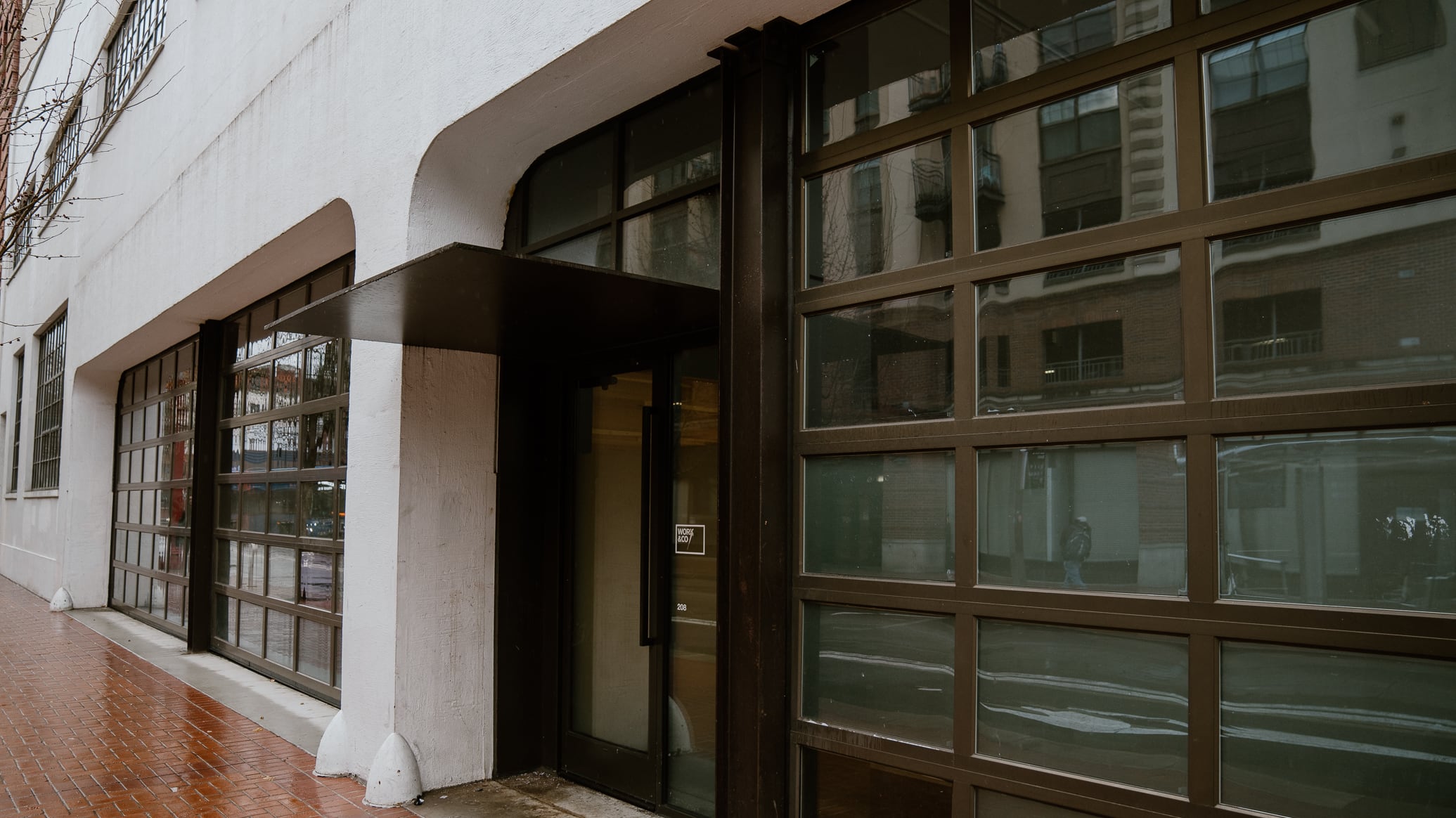
RECORDS RAISE MORE QUESTIONS ABOUT OLD TOWN SHOE STARTUP: Made in Old Town, the athletic shoe startup backed by a risky loan from Prosper Portland, continues to face questions about fiscal prudence. As WW previously reported, the Prosper board approved a $7 million loan in February to the project’s leaders to buy two buildings in Old Town. At the time, WW reported that MiOT planned to purchase the two buildings for $7.4 million, though an appraiser had valued them at $3.8 million. Records newly reviewed by WW from that time show that a Prosper investment manager working on the loan briefly questioned why MiOT would pay that asking price. One of the startup’s principals, Jonathan Cohen, wrote to the Prosper manager in early February that the appraiser was probably wrong—and that to renegotiate the price with the seller could kill the deal altogether. So Cohen wrote that the project planned not to bring up the appraised value with the seller in an effort to lower the price: “If we come in, right at the deadline, with a low-ball offer ($1MM less?), it would be regarded as bad faith, I believe, and I can see the seller trying to find a reason to exit the deal, and walk away with all of our earnest money and lease payments…That would be a disaster.” Should the deal be scrapped, he added, “we will have wasted the state’s initial grant.”(The Oregon Legislature awarded MiOT a $2 million grant in 2024.) MiOT ended up buying the building for $6.9 million, almost entirely with taxpayer dollars. Fast forward almost a year and, according to Prosper’s loan terms, MiOT is in material default because it’s failed to raise $5.7 million in financing it promised to get from other sources. Still, both parties defend the loan and the price paid for the two buildings. An MiOT spokesperson declined to answer WW’s questions, saying instead: “We look forward to sharing more information in the new year.”
MENTAL HEALTH GROUP PANS OHSU BED TRACKER: Drawing millions of taxpayer dollars, a program at Oregon Health & Science University has sought since 2023 to track real-time occupancy at residential mental health and addiction treatment centers statewide. The idea of the Oregon Behavioral Health Coordination Center is to help hospital emergency departments and other providers discharge patients more efficiently into a behavioral health care network where beds are scarce. More than two years later, though, the OBCC’s results have left an Oregon workgroup unimpressed. A recent report to state lawmakers says the coordination center has been hampered by basic flaws, generating new administrative burdens but “little utility” for the state’s behavioral health care system. “It’s a lot of money for very little return,” says Chris Bouneff, executive director of Oregon’s chapter of the National Alliance on Mental Illness. Bouneff was one of several members of the workgroup, a collection of stakeholders convened by the Oregon Council for Behavioral Health at the direction of a 2024 state law. The group’s final report, reviewed by WW, recommended ways to relieve administrative burdens in the Oregon behavioral health system and help it run more efficiently—making it all the more notable that the report singled out the OBCC, which was itself created in the name of efficiency. Reached for comment, OHSU said its Behavioral Health Coordination Center was created with input from providers, hospitals, and the Oregon Health Authority. “This report and its recommendations,” a university spokesman said in a statement, “appear to have been compiled without any contact with OHSU, or an opportunity for OHSU to respond to questions or offer information.”
PPS FALL ASSESSMENT RESULTS SHOW WORK REMAINS: Portland Public Schools students saw slight improvements in reading and pronounced growth in mathematics in districtwide fall assessments, according to data officials presented to the School Board on Dec. 16. In grades 3-8, 61.5% of students achieved at grade level or higher on the reading assessment, and 58.1% achieved grade-level or better proficiency in math. That’s compared with 60.6% and 55.5%, respectively, the previous academic year. (It should be noted that students in grades 6-8 saw significant improvement in math proficiency, while proficiency declined in grades 3-5.) And achievement is a mixed bag across the district’s racial demographics. Even with some improvements, white, Asian and multiracial students continue to outscore their Black, Latinx, Native American, and Pacific Islander counterparts. The district is using interventionists across its schools to help bridge gaps, but early data indicates it may be too early to draw conclusions about that work. (District officials also indicated they’ll use results to evaluate whether investments in science of reading training for teachers, currently underway, prove effective.)
COMPLAINTS FILED ABOUT PEACOCK LAWYER: Twin complaints filed with the Oregon Government Ethics Commission and the Portland City Attorney’s Office last week allege that five Portland city councilors accepted a gift in excess of $50 when they received free legal representation from lawyer Ben Haile. Haile is representing five of the six councilors that make up the City Council’s progressive caucus, called Peacock, in front of the state ethics commission; the commission is investigating whether councilors broke public meetings law or quorum rules during an August retreat. (Councilors deny they discussed policy.) At issue in the latest complaint is a state law that prohibits elected officials from accepting a gift worth over $50 if the gifter “could reasonably be known to have a legislative or administrative interest in the vote or decision of the public official.” Haile works for the Oregon Justice Resource Center, a nonprofit law firm that regularly represents clients suing the city for alleged police misconduct. Any legal settlement over $50,000 that the city seeks to enter must be approved by a majority vote of the council, so OJRC regularly appears in front of councilors seeking their votes. Brian Owendoff, a property developer who’s become a regular at council meetings to bemoan the state of downtown, filed the complaints last week, following WW’s story about the arrangement.