Skip to main content
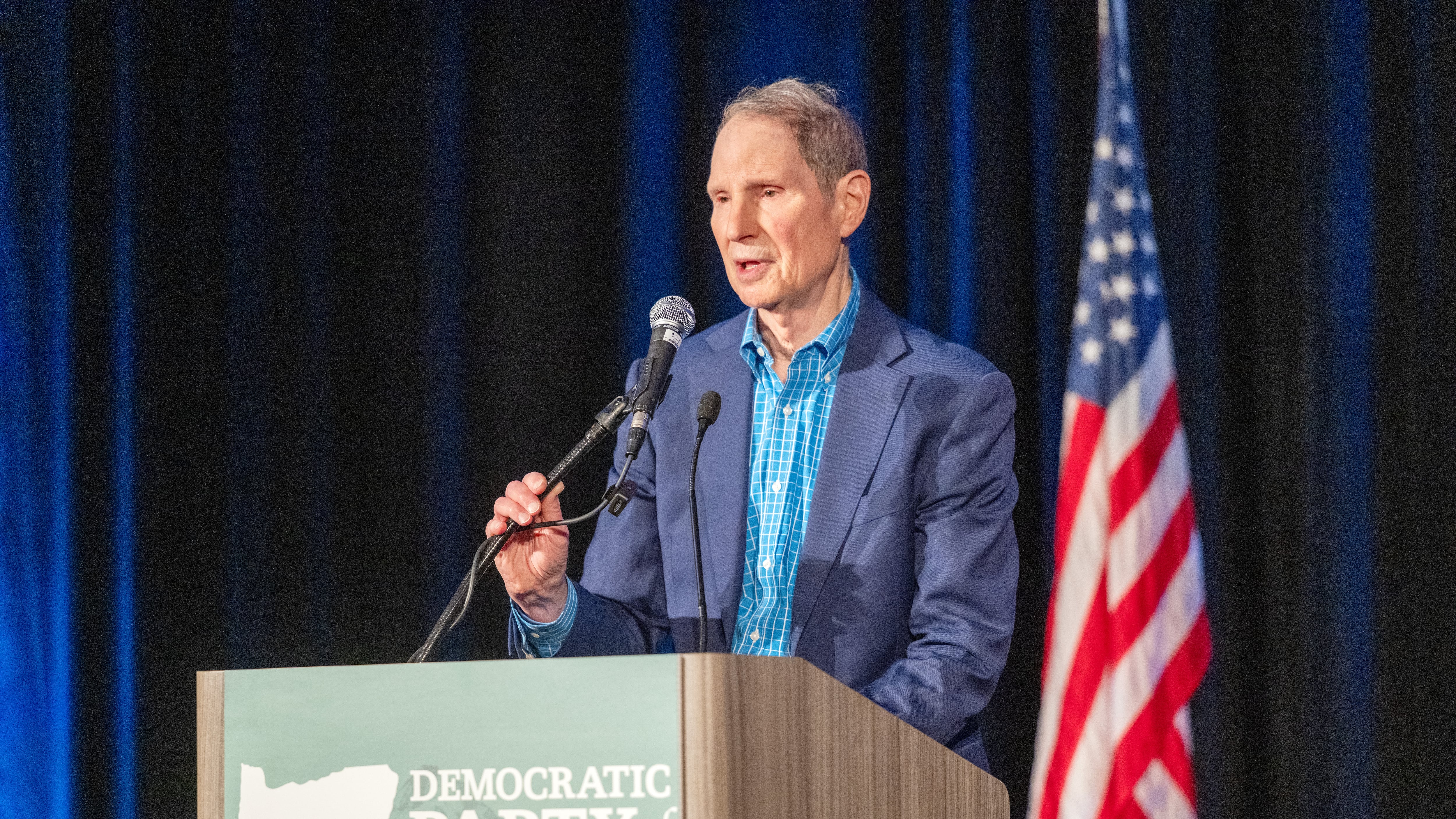
New York City’s Strand Bookstore, owned by the wife of U.S. Sen. Ron Wyden (D-Ore.), has agreed to pay approximately $1.5 million for improperly applying for a COVID-era business loan in early 2021. The store was ineligible for the loan because owner Nancy Bass Wyden is wife of a U.S. senator, a violation of the law funding the small-business loan program, according to the U.S. Department of Justice.
The DOJ announced the settlement Tuesday. “The Paycheck Protection Program was created to save American jobs, not to enrich those who aren’t eligible for taxpayer-funded relief, especially the wife of a U.S. Senator,” said U.S. Attorney Jeanine Pirro.
She continued: “Strand Book Store, owned by Nancy Bass Wyden, wife of U.S. Senator Ron Wyden, received $932,350 in second draw [Paycheck Protection Program] funds despite a federal law barring businesses controlled by a member of Congress or their spouse from receiving those loans. Our Fraud and Asset Recovery Division will expose this abuse, pursue those who exploit taxpayer dollars, and hold them accountable. No one gets a pass when it comes to defrauding the American taxpayer.”
A spokesman for Sen. Wyden provided WW with a statement: “Sen. Wyden and his wife do not discuss her business, and he had no involvement in the loan or settlement.”
For her part, Bass Wyden attributed the matter to a mistake by the bookstore’s accountant and said the funds were returned as soon as the oversight was brought to their attention.
“During the COVID-19 pandemic, laws, regulations and eligibility requirements governing government relief programs were changing rapidly,” she writes in a statement to WW.
Prosecutors say the store violated the federal False Claims Act in applying for and accepting the loan because it was owned by the wife of a senator.
In the early days of the pandemic in March 2020, Congress authorized funding for eligible small businesses to receive forgivable loans through the Coronavirus Aid, Relief and Economic Security, or CARES, Act. Subsequent legislation authorized businesses to take “second draw” loans with a condition being that a member of Congress or their spouse was not allowed to hold a controlling interest in the loan applicant.
According to the DOJ’s announcement, Strand applied in February 2021 for a second draw loan of $932,350. On behalf of Strand, Bass Wyden “made a number of certifications as part of the loan application, including that the spouse of a member of Congress does not directly or indirectly hold a controlling interest in the applicant. “Ms. Wyden’s certification was knowingly and materially false and Strand was not eligible for the second draw loan it received.”
Bass Wyden says when their second-round application was processed, the bookstore’s accountant and the bank administering the loan were not aware of the new restriction.
“We stand by the facts: the circumstances arose during an unprecedented and rapidly changing public health emergency,” Bass Wyden writes. “We regret the oversight and recognize the importance of complying with all applicable laws and regulations. We hope this matter will be viewed objectively and in its proper context, with the understanding that the application of justice should always be fair, impartial, and free from political considerations.”
The case originated from a private whistleblower—an entity called Blockquote Inc. Under the False Claims Act, Blockquote is entitled to a portion of the recovery, which in this case is around $148,000.
This story has been updated with comment from Nancy Bass Wyden.